


Body size preferences for women and adolescent girls living in Africa: a mixed-methods systematic review
- PMID: 33593472
- PMCID: PMC9991778
- DOI: 10.1017/S1368980021000768
Body size preferences for women and adolescent girls living in Africa: a mixed-methods systematic review
Abstract
Objective: To synthesise evidence on body size preferences for females living in Africa and the factors influencing these.
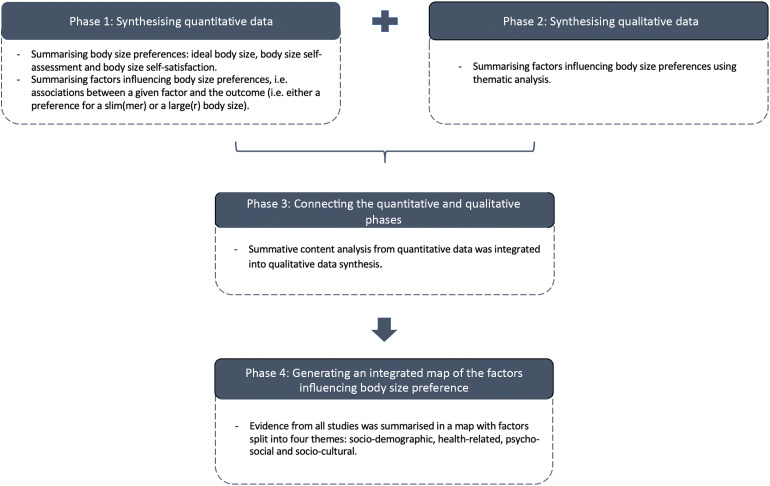
Design: Mixed-methods systematic review including searches on Medline, CINHAL, ASSIA, Web of Science and PsycINFO (PROSPERO CRD42015020509). A sequential-explanatory approach was used to integrate quantitative and qualitative findings.
Setting: Urban and rural Africa.
Participants: Studies of both sexes providing data on body size preferences for adolescent girls and women aged ≥10 years.
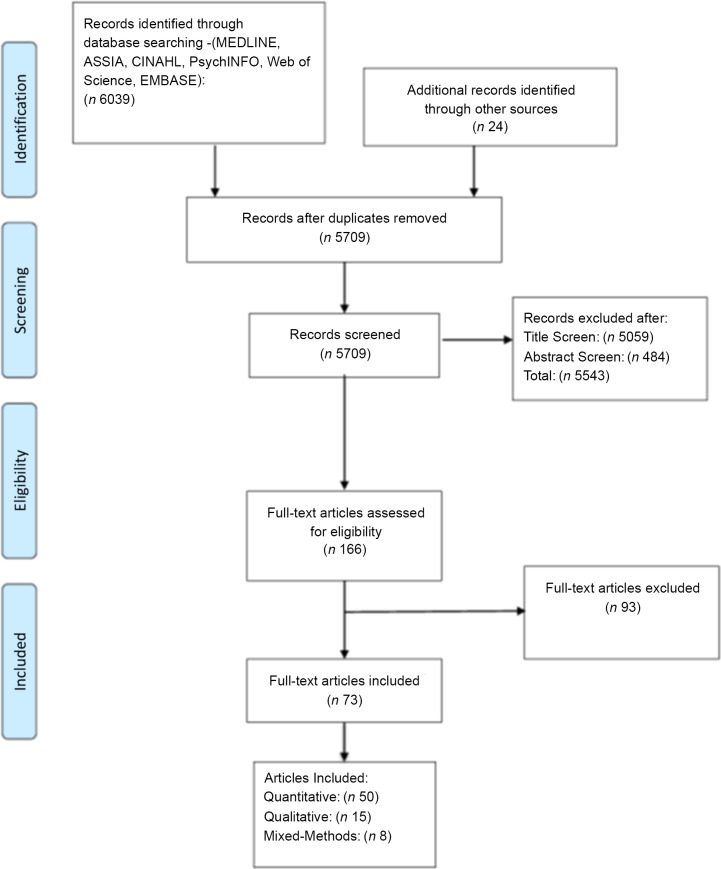
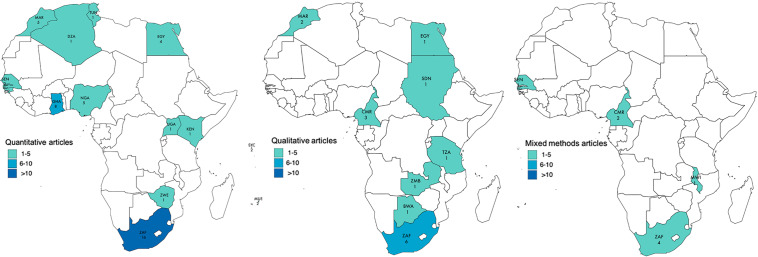
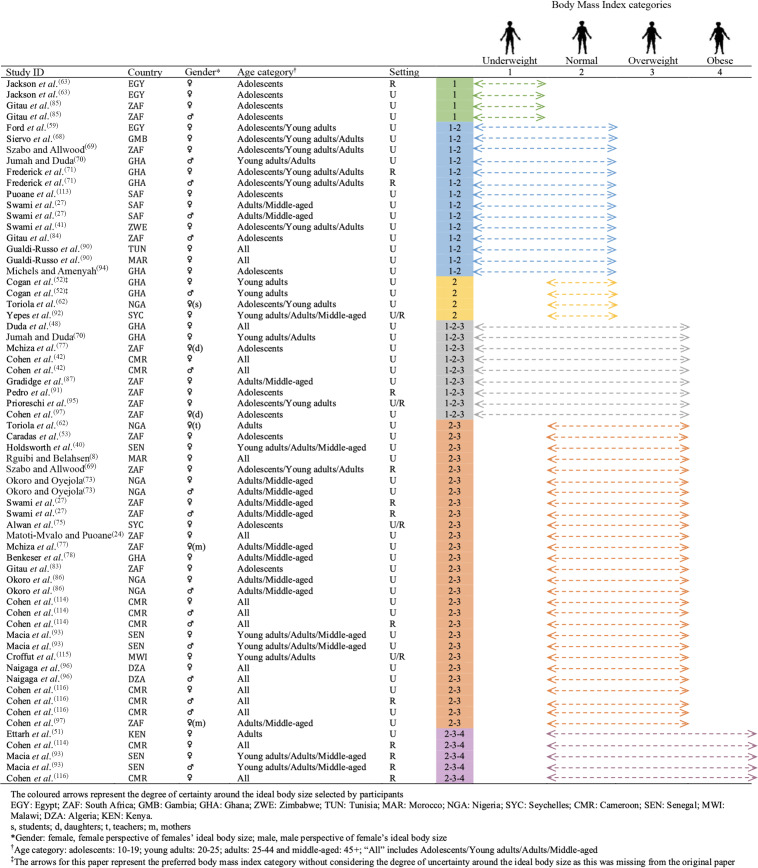
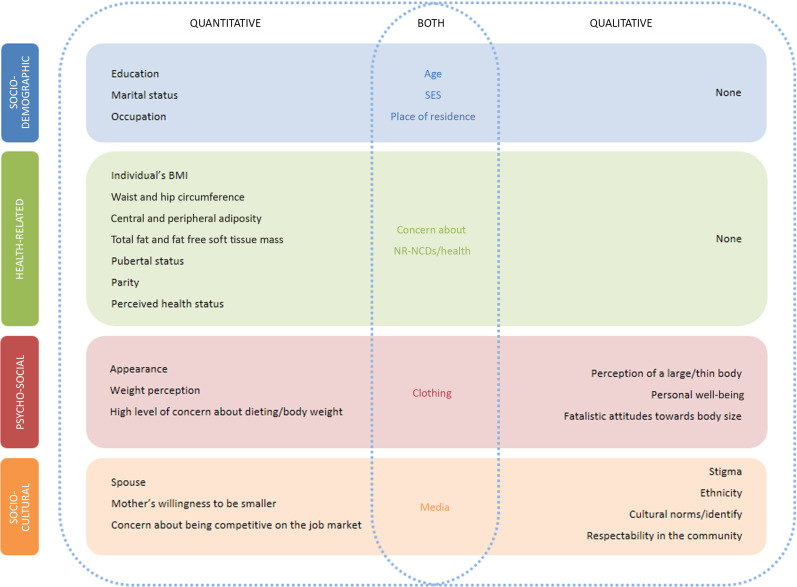
Results: Seventy-three articles from twenty-one countries were included: fifty quantitative, fifteen qualitative and eight mixed methods. Most studies reported a preference for normal or overweight body sizes. Some studies of adolescent girls/young women indicated a preference for underweight. Factors influencing preferences for large(r) body sizes included: socio-demographic (e.g. education, rural residency), health-related (e.g. current BMI, pubertal status), psycho-social (e.g. avoiding HIV stigma) and socio-cultural factors (e.g. spouse's preference, social standing, cultural norms). Factors influencing preferences for slim(mer) body sizes included: socio-demographic (e.g. higher socioeconomic status, urban residency, younger age), health-related (e.g. health knowledge, being nulliparous), psycho-social (e.g. appearance, body size perception as overweight/obese) and socio-cultural factors (e.g. peer pressure, media).
Conclusions: Preference for overweight (not obese) body sizes among some African females means that interventions need to account for the array of factors that maintain these preferences. The widespread preference for normal weight is positive in public health terms, but the valorisation of underweight in adolescent girls/young women may lead to an increase in body dissatisfaction. Emphasis needs to be placed on education to prevent all forms of malnutrition.
Keywords: Adolescent girls; Africa; Body size preferences; Review; Women.
Figures
References
-
- Development Initiatives (2020) Global Nutrition Report 2020: Action to Equity to End Malnutrition. Bristol, UK: Development Initiatives.
-
- Prentice AM (2006) The emerging epidemic of obesity in developing countries. Int J Epidemiol 35, 93–99. - PubMed
-
- Gatineau M & Mathrani S (2011) Ethnicity and obesity in the UK. Perspect Public Health 131, 159–160. - PubMed
Publication types
MeSH terms
LinkOut - more resources
Full Text Sources
Other Literature Sources
Research Materials
Miscellaneous
