


Interaction of maternal immune activation and genetic interneuronal inhibition
- PMID: 33600830
- PMCID: PMC8006572
- DOI: 10.1016/j.brainres.2021.147370
Interaction of maternal immune activation and genetic interneuronal inhibition
Abstract
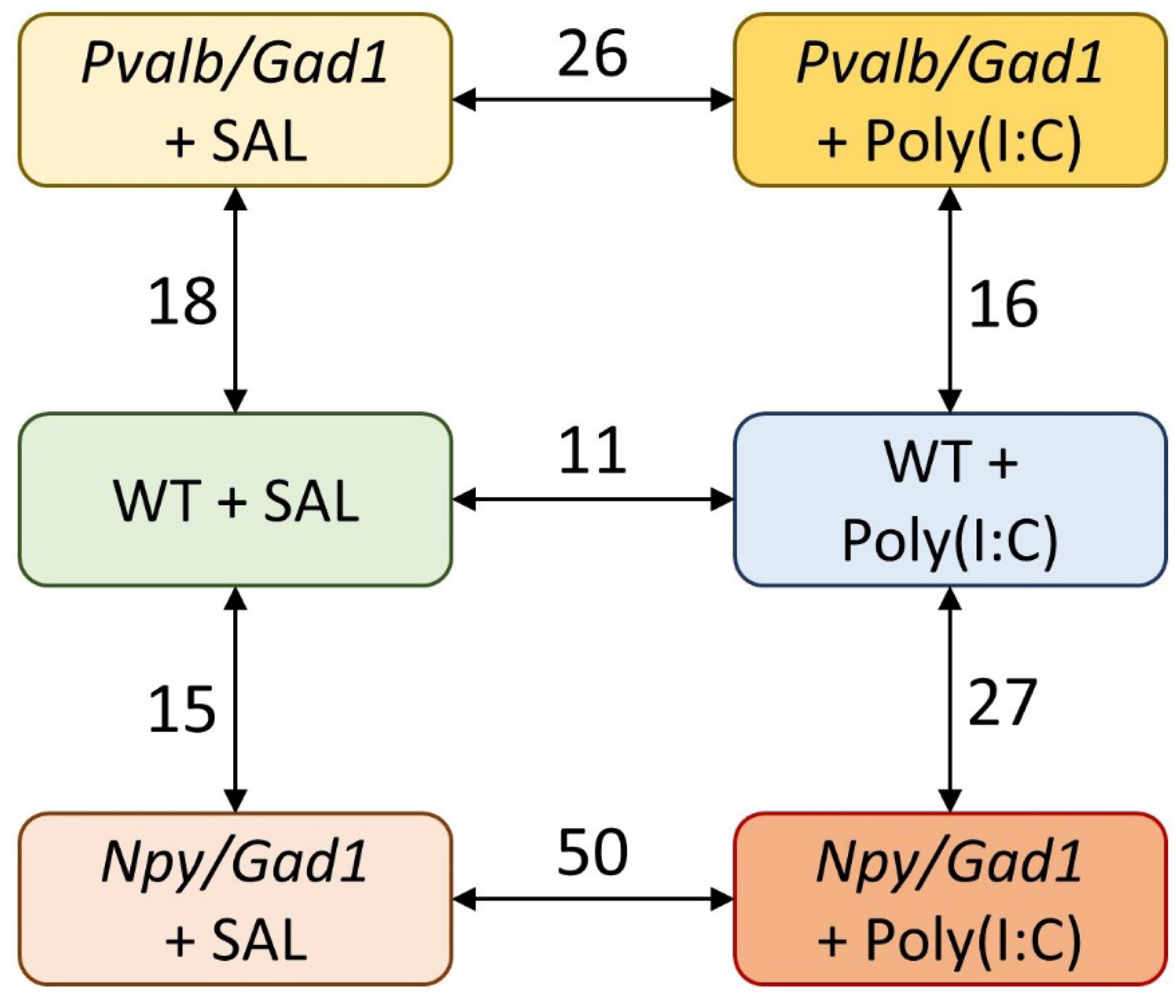
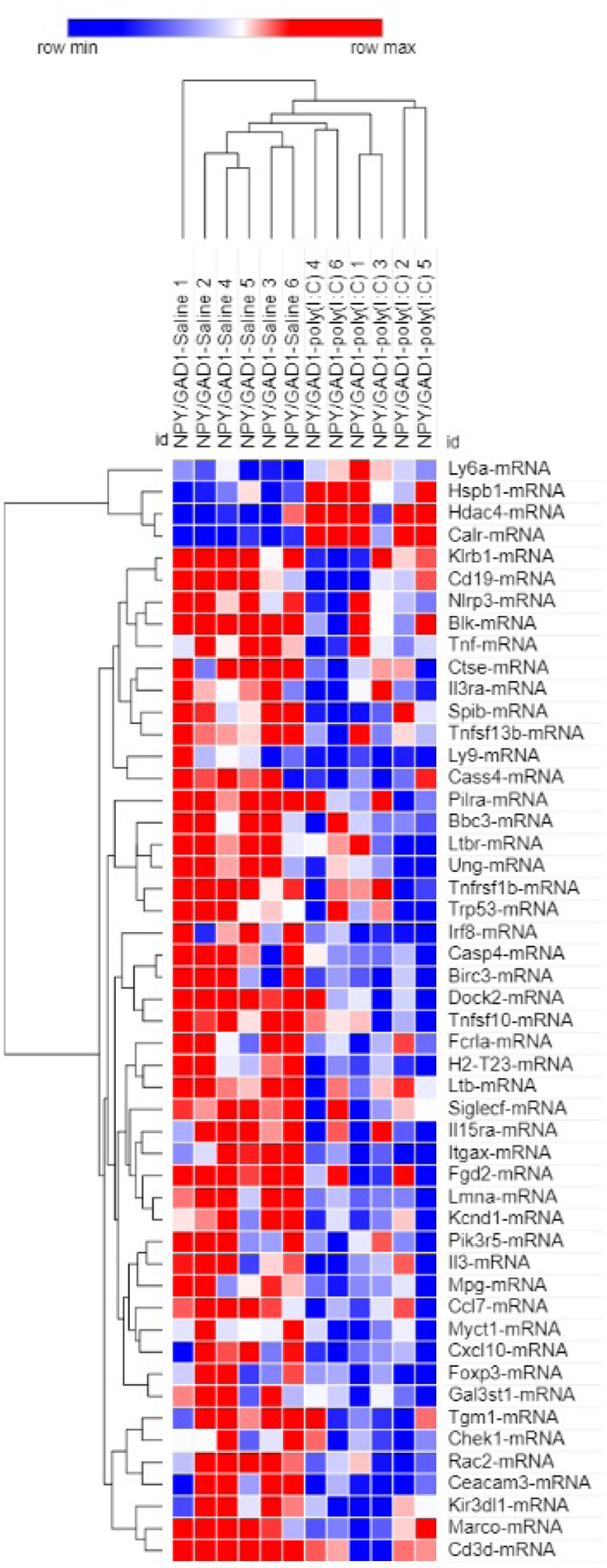
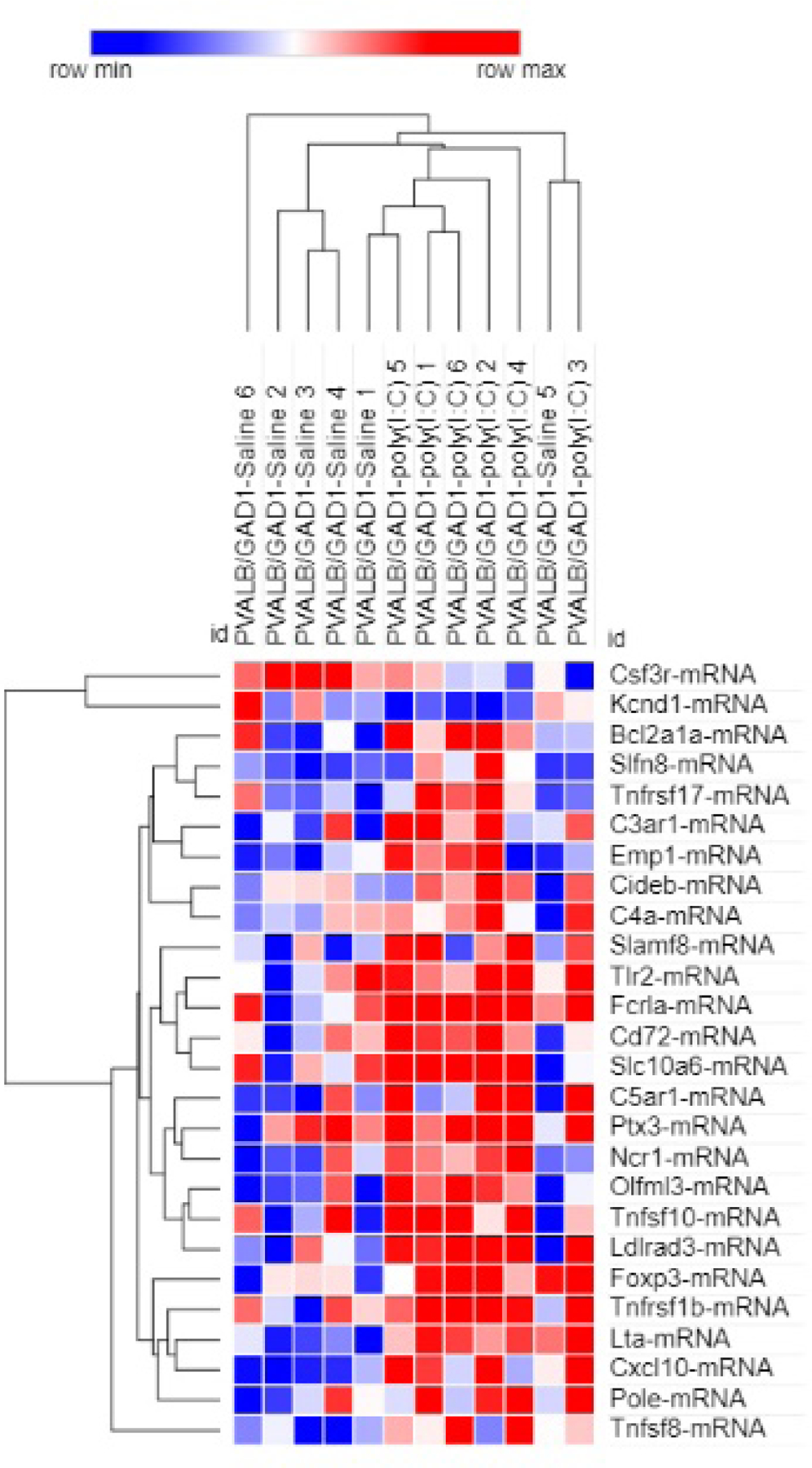
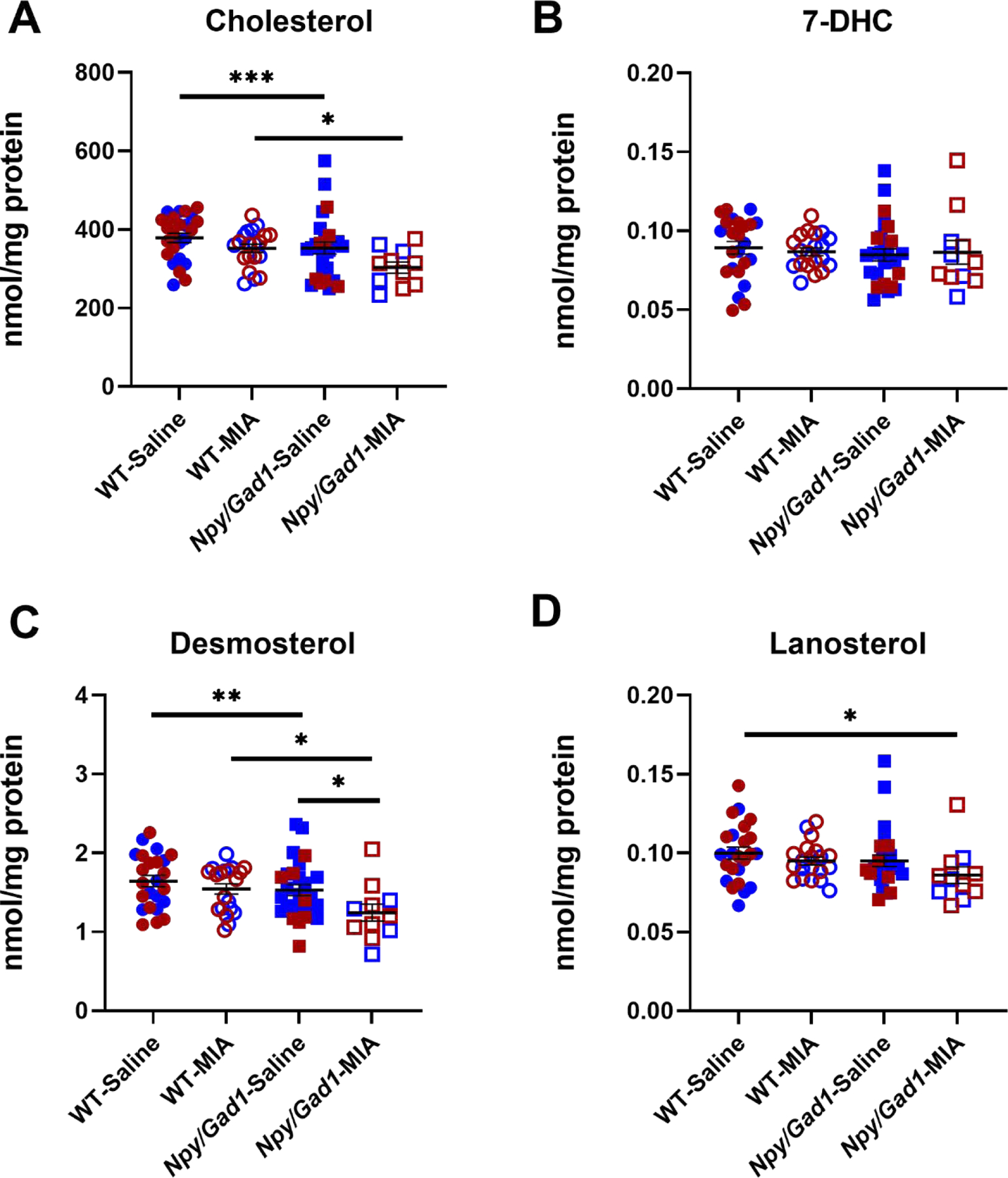
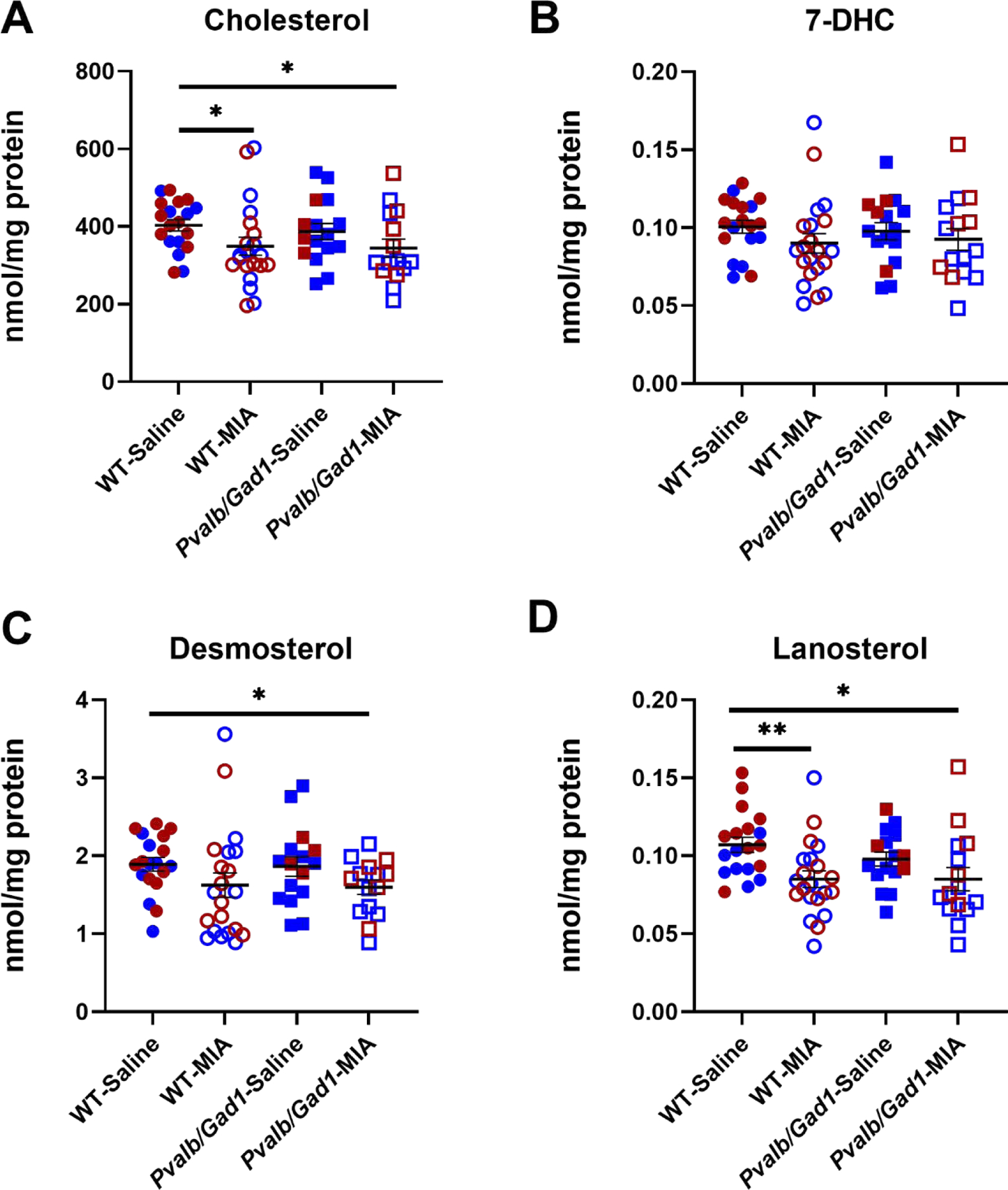
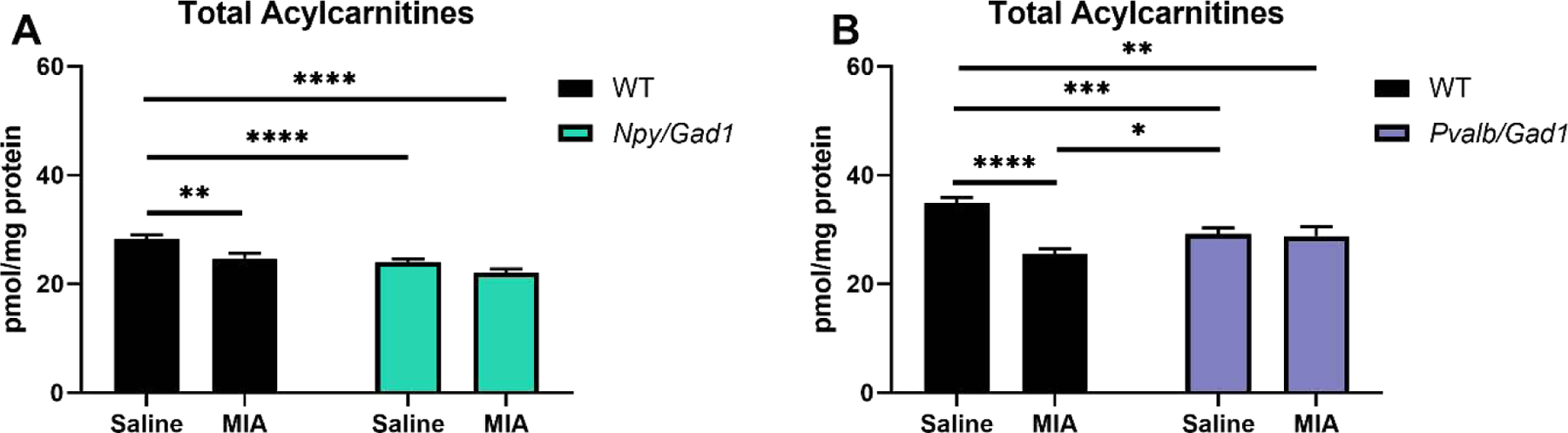
Genes and environment interact during intrauterine life, and potentially alter the developmental trajectory of the brain. This can result in life-long consequences on brain function. We have previously developed two transgenic mouse lines that suppress Gad1 expression in parvalbumin (PVALB) and neuropeptide Y (NPY) expressing interneuron populations using a bacterial artificial chromosome (BAC)-driven miRNA-based silencing technology. We were interested to assess if maternal immune activation (MIA), genetic interneuronal inhibition, and the combination of these two factors disrupt and result in long-term changes in neuroinflammatory gene expression, sterol biosynthesis, and acylcarnitine levels in the brain of maternally exposed offspring. Pregnant female WT mice were given a single intraperitoneal injection of saline or polyinosinic-polycytidilic acid [poly(I:C)] at E12.5. Brains of offspring were analyzed at postnatal day 90. We identified complex and persistent neuroinflammatory gene expression changes in the hippocampi of MIA-exposed offspring, as well in the hippocampi of Npy/Gad1 and Pvalb/Gad1 mice. In addition, both MIA and genetic inhibition altered the post-lanosterol sterol biosynthesis in the neocortex and disrupted the typical acylcarnitine profile. In conclusion, our findings suggest that both MIA and inhibition of interneuronal function have long-term consequences on critical homeostatic mechanisms of the brain, including immune function, sterol levels, and energy metabolism.
Keywords: Acylcarnitines; Interneuron; Maternal immune activation; Neuroinflammation; Schizophrenia; Sterol profile.
Copyright © 2021 Elsevier B.V. All rights reserved.
Conflict of interest statement
Conflict of Interest
The authors declare no conflict of interest that is in any form related to the presented material, experiments, or outcomes.
Figures
References
-
- Alexopoulou L, et al., 2001. Recognition of double-stranded RNA and activation of NF-kappaB by Toll-like receptor 3. Nature 413, 732–8. - PubMed
-
- Benes FM, Berretta S, 2001. GABAergic interneurons: implications for understanding schizophrenia and bipolar disorder. Neuropsychopharmacology 25, 1–27. - PubMed
Publication types
MeSH terms
Substances
Grants and funding
LinkOut - more resources
Full Text Sources
Other Literature Sources
Molecular Biology Databases
Miscellaneous
