


Serum progesterone levels greater than 32.5 ng/ml on the day of embryo transfer are associated with lower live birth rate after artificial endometrial preparation: a prospective study
- PMID: 33602270
- PMCID: PMC7890906
- DOI: 10.1186/s12958-021-00703-6
Serum progesterone levels greater than 32.5 ng/ml on the day of embryo transfer are associated with lower live birth rate after artificial endometrial preparation: a prospective study
Abstract
Background: Previous observational studies have highlighted the negative effects of serum hormone levels at the minimum threshold during frozen embryo transfer (FET) cycles. However, still the questions regarding the maximum threshold level, and the highest allowed dosage of hormonal medications remain unresolved. The present study was conducted to determine whether there is any relationship between the serum progesterone and estradiol levels on the day of ET, and live birth rate (LBR) in patients receiving HRT in FET cycles.
Methods: In this prospective cohort study, eligible women who were undergoing their first or second FET cycles with the top graded blastocyst stage embryos were included. All patients received the same HRT regimen. FET was scheduled 5 days after administration of the first dosage of progesterone. On the morning of ET, 4-6 h after the last dose of progesterone supplementation, the serum progesterone (P4, ng/ml) and estradiol (E2, pg/ml) levels were measured.
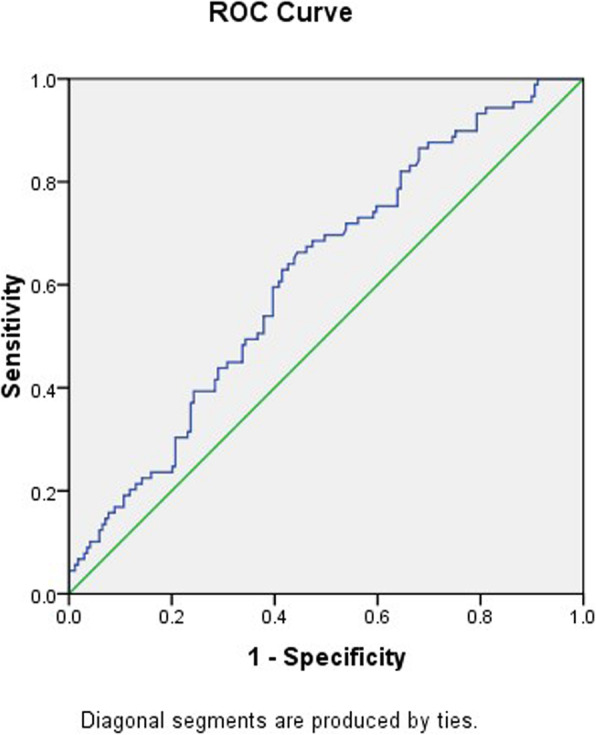
Results: Amongst the 258 eligible women that were evaluated, the overall LBR was 34.1 % (88/258). The serum P4 and E2 values were divided into four quartiles. The means of women's age and BMI were similar between the four quartiles groups. Regarding both P4 and E2 values, it was found that the LBR was significantly lower in the highest quartile group (Q4) compared with the others, (P = 0.002 and P = 0.042, respectively). The analysis of the multivariable logistic regression showed that the serum level of P4 on ET day, was the only significant predictive variable for LBR. The ROC curve revealed a significant predictive value of serum P4 levels on the day of ET for LBR, with an AUC = 0.61 (95 % CI: 0.54-0.68, P = 0.002). The optimum level of serum P4, with 70 % sensitivity and 50 %specificity for LBR, was 32.5 ng/ml.
Conclusions: The present study suggests that a serum P4 value at the maximum threshold on the day of FET is associated with reduced LBR following blastocyst transfer. Therefore, measuring and monitoring of P4 levels during FET cycles might be necessary. However, the results regarding the necessity for the screening of serum E2 levels before ET, are still controversial, and further prospective studies are required.
Keywords: Estradiol; Frozen‐warmed embryo transfer; Live birth rate; Serum progesterone.
Conflict of interest statement
All authors have nothing to disclose.
Figures
References
-
- Labarta E, Mariani G, Holtmann N, Celada P, Remohi J, Bosch E. Low serum progesterone on the day of embryo transfer is associated with a diminished ongoing pregnancy rate in oocyte donation cycles after artificial endometrial preparation: a prospective study. Hum Reprod. 2017;32(12):2437–42. doi: 10.1093/humrep/dex316. - DOI - PubMed
Publication types
MeSH terms
Substances
LinkOut - more resources
Full Text Sources
Other Literature Sources
