


Improved Pharmacodynamic Potential of Rosuvastatin by Self-Nanoemulsifying Drug Delivery System: An in vitro and in vivo Evaluation
- PMID: 33603359
- PMCID: PMC7881784
- DOI: 10.2147/IJN.S287665
Improved Pharmacodynamic Potential of Rosuvastatin by Self-Nanoemulsifying Drug Delivery System: An in vitro and in vivo Evaluation
Abstract
Purpose: The purpose of this proposed research was to investigate a nano-formulation developed using self-nanoemulsifying drug delivery system (SNEDDS) to improve the pharmacodynamic potential of rosuvastatin by assisting its transportation through lymphatic circulation.
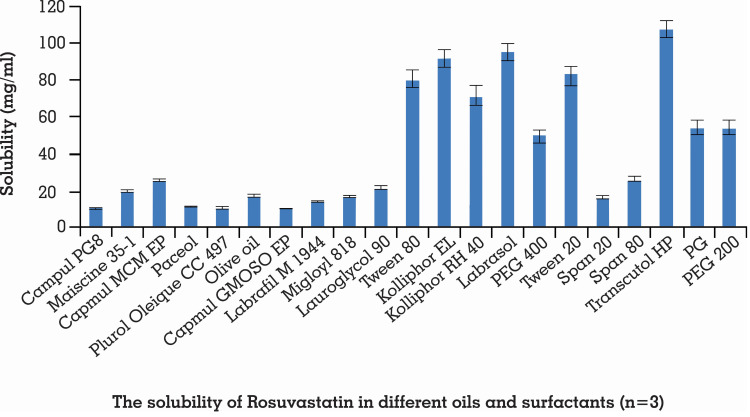
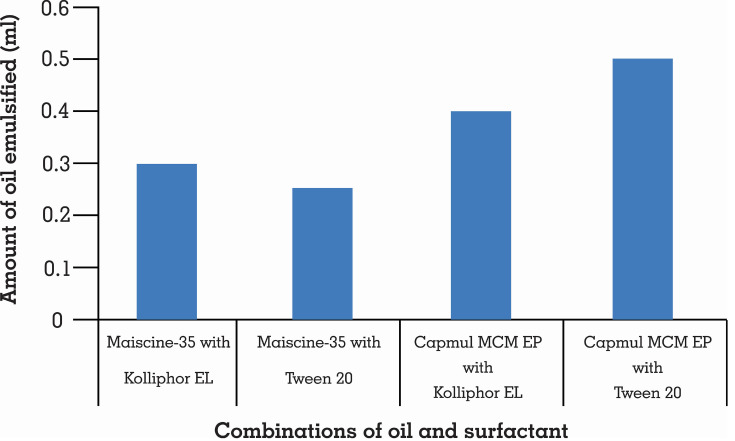
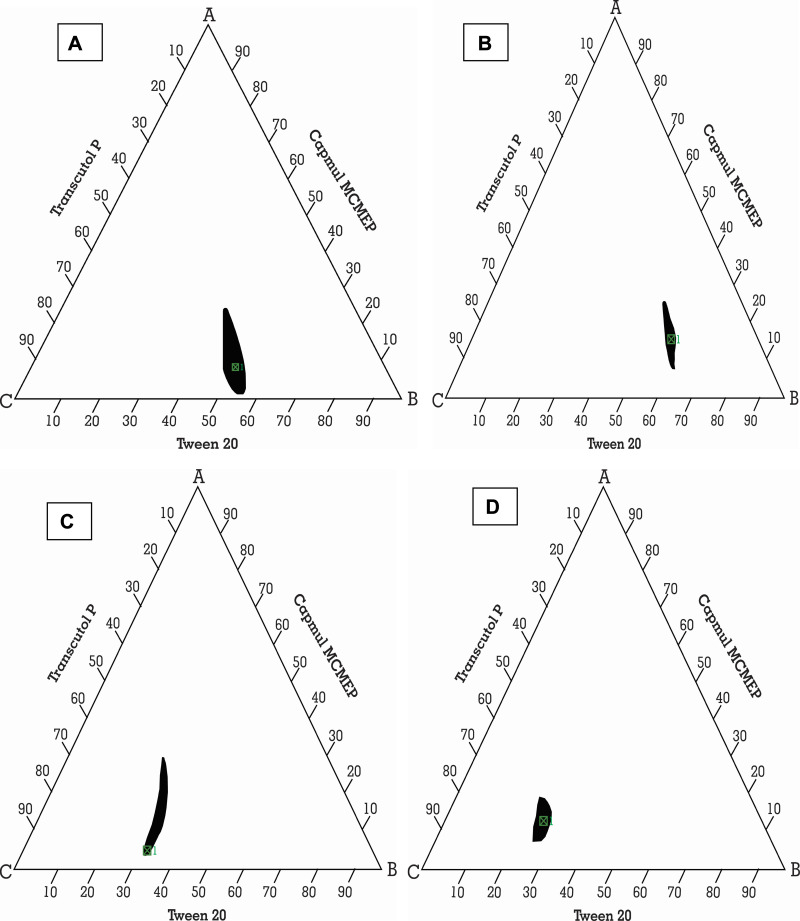
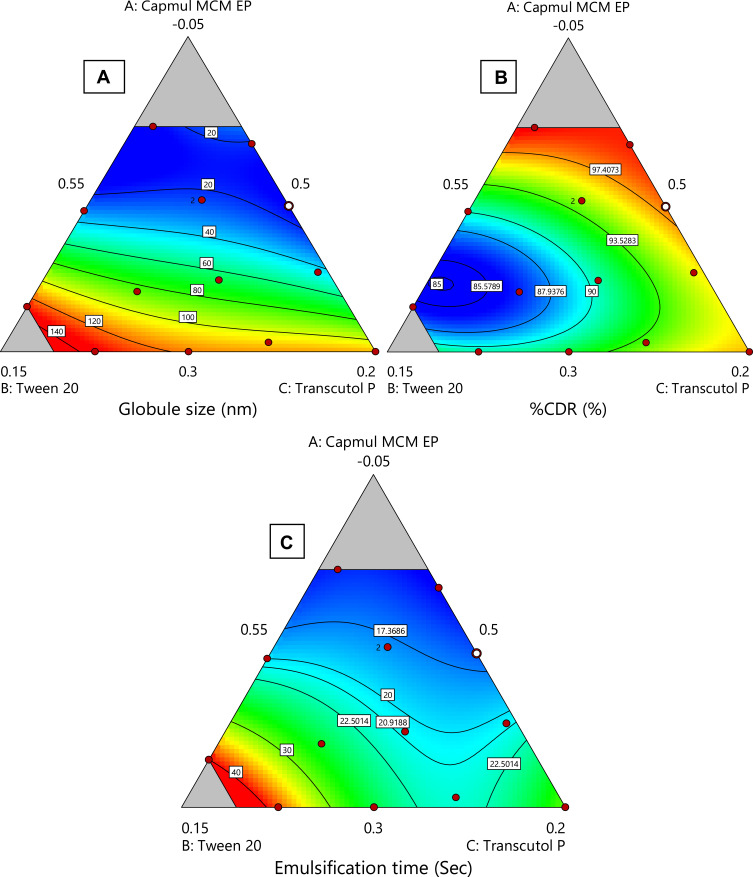
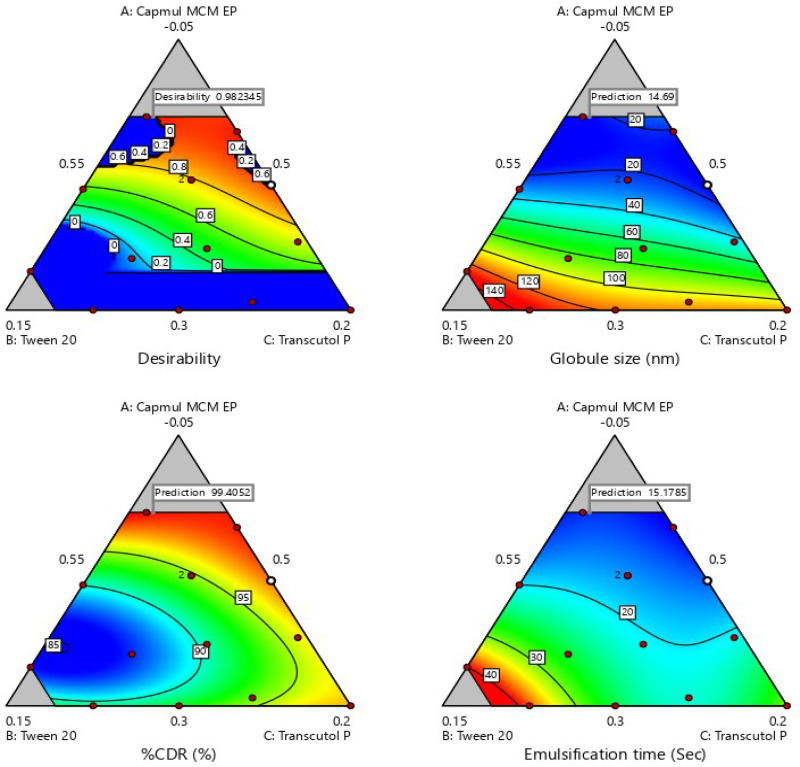
Methods: The utilized lipids, surfactants, and co-surfactants for SNEDDS were selected on the basis of solubility studies. The SNEDDS formulation was optimized by implementing a D-optimal mixture design, wherein the effect of concentration of Capmul MCM EP (X1), Tween 20 (X2) and Transcutol P (X3) as independent variables was studied on droplet size (Y1), % cumulative drug release (Y2) and self-emulsification time (Y3) as dependent variables. The optimized formulation was evaluated via in vitro parameters and in vivo pharmacodynamic potential in Wistar rats.
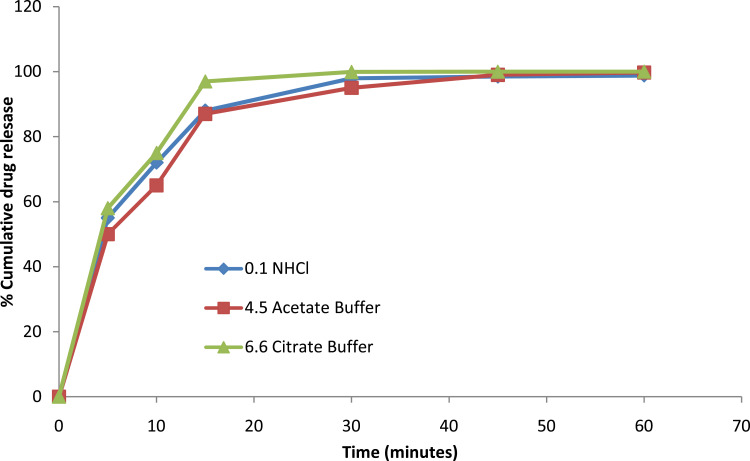
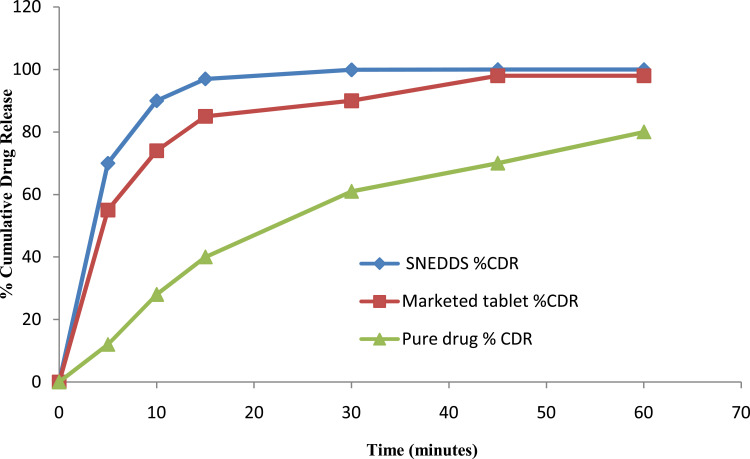
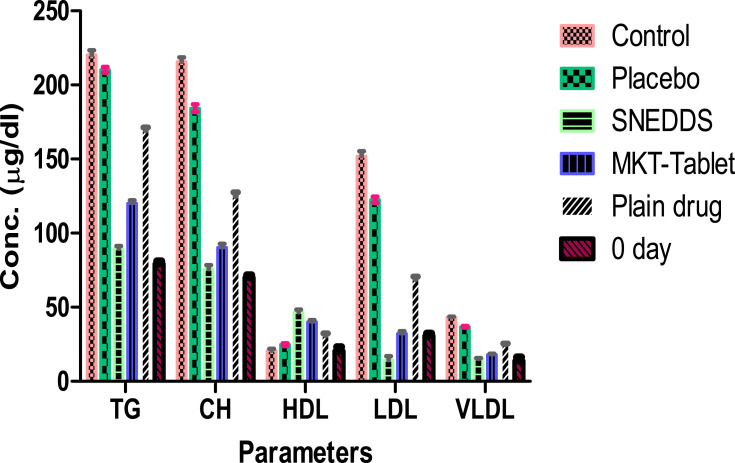
Results: The D-optimal mixture design and subsequent ANOVA application resulted in the assortment of the optimized SNEDDS formulation that exhibited a droplet size of nano range (14.91nm), in vitro drug release of >90% within 30 minutes, and self-emulsification time of 16 seconds. The in vivo pharmacodynamic study carried out using Wistar rats confirmed the better antihyperlipidemic potential of developed formulation in normalizing the lipidic level of serum in contrast to pure drug and marketed tablets.
Conclusion: This research reports the application of D-optimal mixture design for successful and systematic development of rosuvastatin-loaded SNEDDS with distinctly enhanced in vitro and in vivo performance in comparison to marketed formulation. Eventually, improved anti-hyperlipidemic efficacy was envisaged which might be attributed to increased drug solubility and absorption. Overall, this study shows the utility of SNEDDS for improving the dissolution rate and bioavailability of poor aqueous-soluble drugs. The present SNEDDS formulation could be a promising approach and alternative to conventional dosage form.
Keywords: D-optimal mixture design; SNEDDS; in vitro lipolysis; nanotechnology; pharmacodynamic study; rosuvastatin.
© 2021 Verma et al.
Conflict of interest statement
The authors declare that there is no conflict of interest.
Figures
References
-
- Hwang Y-C. Response: comparison of the Efficacy of Rosuvastatin Monotherapy 20 mg with Rosuvastatin 5 mg and Ezetimibe 10 mg Combination Therapy on Lipid Parameters in Patients with Type 2 Diabetes Mellitus (Diabetes Metab J 2019;43:582–9). Diabetes Metab J. 2019;43(6):915–916. doi: 10.4093/dmj.2019.0213 - DOI - PMC - PubMed
-
- Lee YJ, Cha SH, Kim H, Choi SE, Cho S, Park Y. Diallyl disulphide-loaded spherical gold nanoparticles and acorn-like silver nanoparticles synthesised using onion extract: catalytic activity and cytotoxicity. Artif Cells Nanomed Biotechnol. 2020;48(1):948–960. doi: 10.1080/21691401.2020.1773485 - DOI - PubMed
MeSH terms
Substances
LinkOut - more resources
Full Text Sources
Other Literature Sources
Research Materials
