


Application of Radiosensitizers in Cancer Radiotherapy
- PMID: 33603370
- PMCID: PMC7886779
- DOI: 10.2147/IJN.S290438
Application of Radiosensitizers in Cancer Radiotherapy
Erratum in
-
Erratum: Application of Radiosensitizers in Cancer Radiotherapy [Corrigendum].Int J Nanomedicine. 2021 Dec 16;16:8139-8140. doi: 10.2147/IJN.S352169. eCollection 2021. Int J Nanomedicine. 2021. PMID: 34949921 Free PMC article.
Abstract
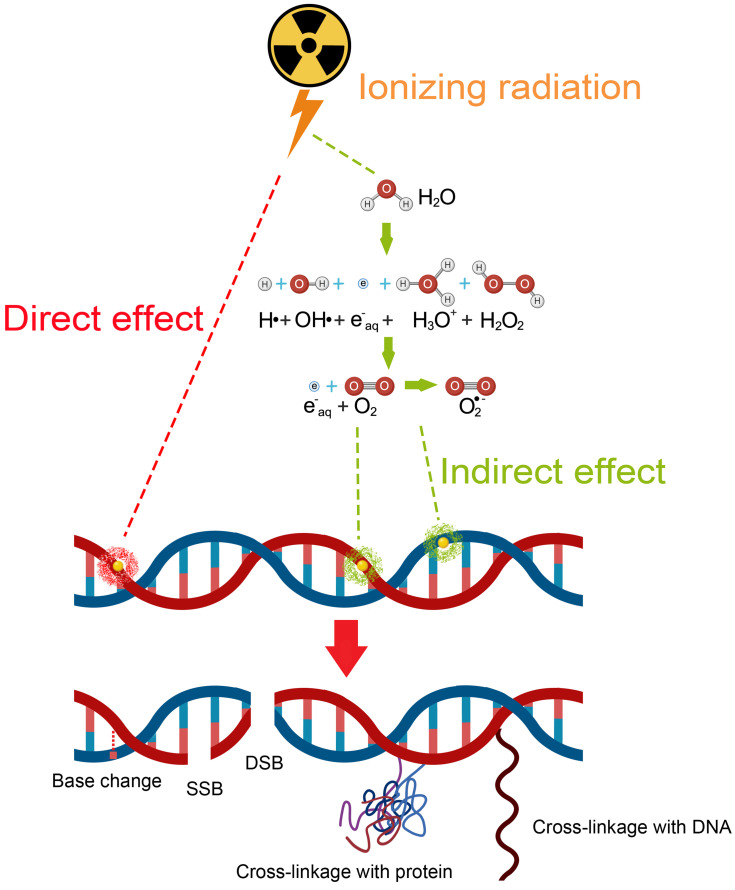
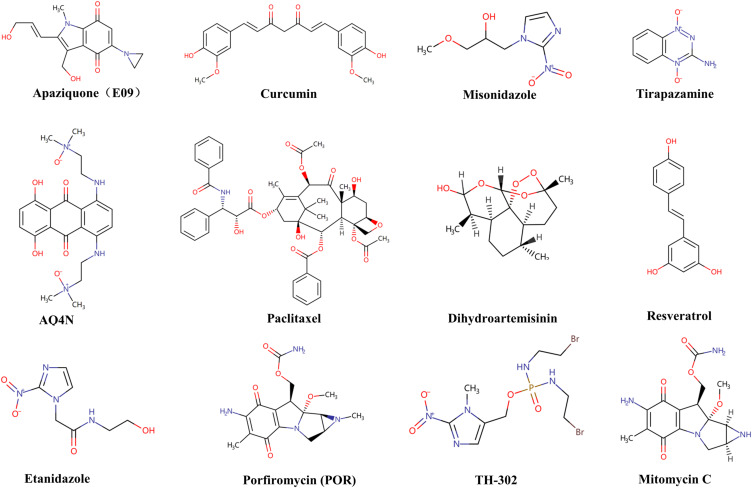
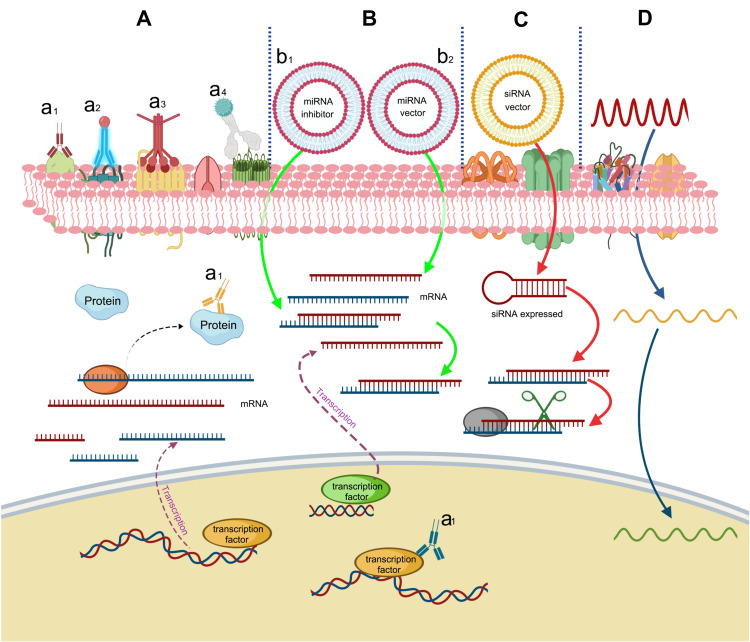
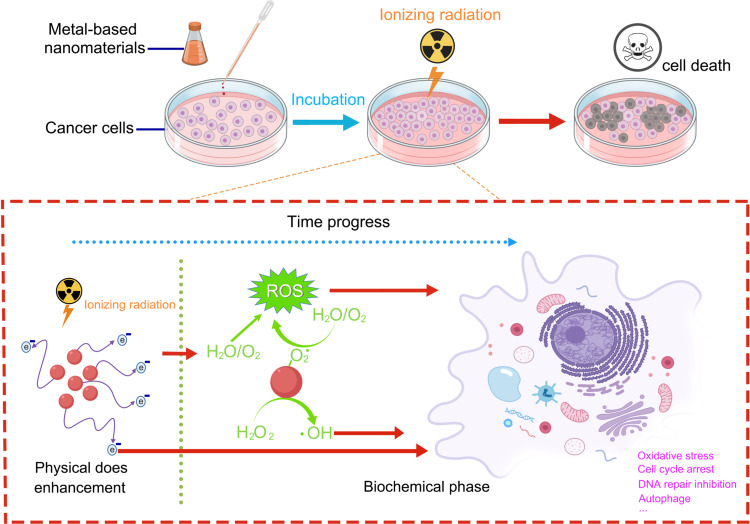
Radiotherapy (RT) is a cancer treatment that uses high doses of radiation to kill cancer cells and shrink tumors. Although great success has been achieved on radiotherapy, there is still an intractable challenge to enhance radiation damage to tumor tissue and reduce side effects to healthy tissue. Radiosensitizers are chemicals or pharmaceutical agents that can enhance the killing effect on tumor cells by accelerating DNA damage and producing free radicals indirectly. In most cases, radiosensitizers have less effect on normal tissues. In recent years, several strategies have been exploited to develop radiosensitizers that are highly effective and have low toxicity. In this review, we first summarized the applications of radiosensitizers including small molecules, macromolecules, and nanomaterials, especially those that have been used in clinical trials. Second, the development states of radiosensitizers and the possible mechanisms to improve radiosensitizers sensibility are reviewed. Third, the challenges and prospects for clinical translation of radiosensitizers in oncotherapy are presented.
Keywords: cancer radiotherapy; mechanism; nanomedicine; radiosensitizers; therapeutics.
© 2021 Gong et al.
Conflict of interest statement
The authors report no conflicts of interest in this work.
Figures
References
Publication types
MeSH terms
Substances
LinkOut - more resources
Full Text Sources
Other Literature Sources
Medical
