


Vaccinia virus-based vector against infectious diseases and tumors
- PMID: 33606578
- PMCID: PMC8115763
- DOI: 10.1080/21645515.2020.1840887
Vaccinia virus-based vector against infectious diseases and tumors
Abstract
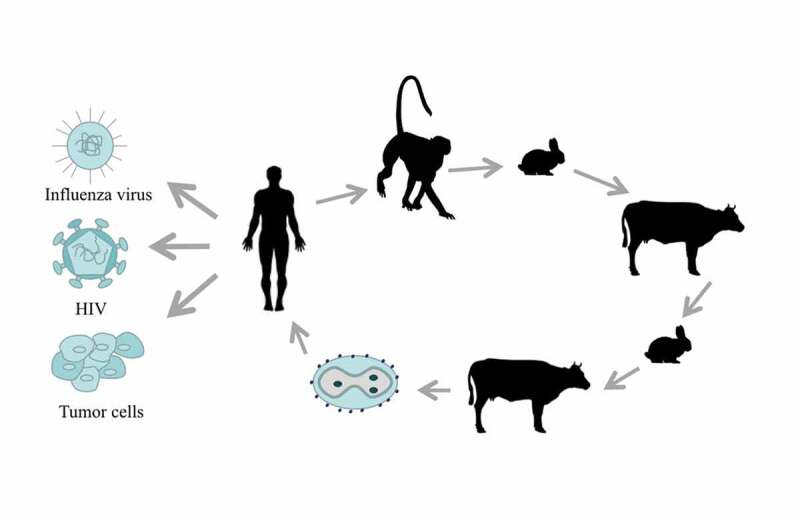
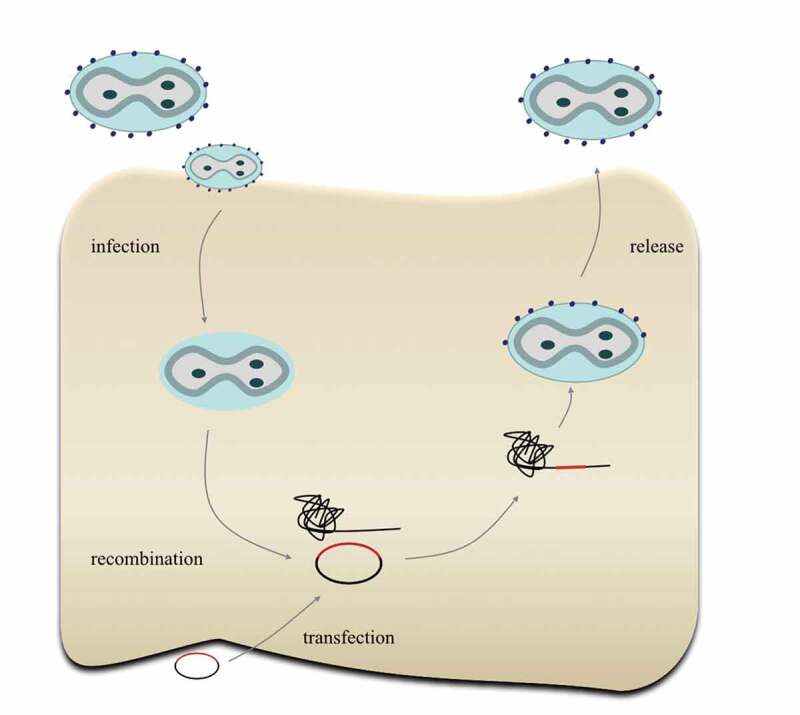
Vaccinia virus was used to prevent smallpox. After the World Health Organization declared smallpox extinct, vaccinia virus has been explored for the development of vaccines against a variety of infectious diseases. It also finds a new place in oncolytic therapy. Here we provide a brief review of the history, current status, and future prospect of vaccinia virus-based vaccine and oncolytic virus. New advancements, including a single vaccine targeting multiple viruses, strategies of arming vaccinia viruses to enhance anti-tumor activity, the promise and challenge of combining vaccinia-based virotherapy with immunotherapy, are discussed as special focus.
Keywords: Tiantan strain; Vaccinia virus; oncolytic virus; tumor; vaccine vector.
Figures
References
-
- Koch T, Dahlke C, Fathi A, Kupke A, Krähling V, Okba N, Halwe S, Rohde C, Eickmann M, Volz A, et al. Safety and immunogenicity of a modified vaccinia virus Ankara vector vaccine candidate for Middle East respiratory syndrome: an open-label, phase 1 trial. Lancet Infect Dis. 2020;20:827–38. doi: 10.1016/S1473-3099(20)30248-6. - DOI - PMC - PubMed
-
- Potts KG, Irwin CR, Favis NA, Pink DB, Vincent KM, Lewis JD, Moore RB, Hitt MM, Evans DH. Deletion of F4L (ribonucleotide reductase) in vaccinia virus produces a selective oncolytic virus and promotes anti-tumor immunity with superior safety in bladder cancer models. EMBO Mol Med. 2017;9:638–54. doi: 10.15252/emmm.201607296. - DOI - PMC - PubMed
Publication types
MeSH terms
LinkOut - more resources
Full Text Sources
Other Literature Sources
Medical
