


Sexual dimorphism in immunometabolism and autoimmunity: Impact on personalized medicine
- PMID: 33609790
- PMCID: PMC8026567
- DOI: 10.1016/j.autrev.2021.102775
Sexual dimorphism in immunometabolism and autoimmunity: Impact on personalized medicine
Abstract
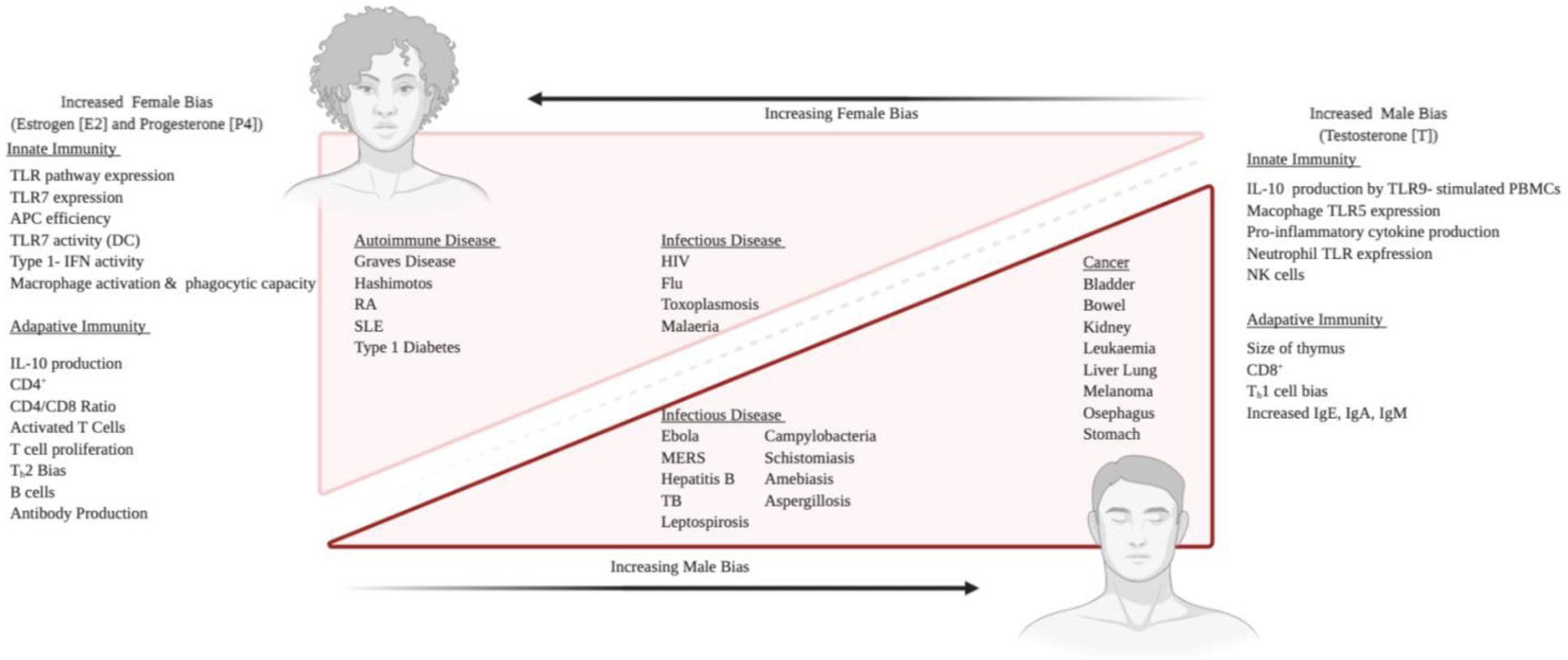
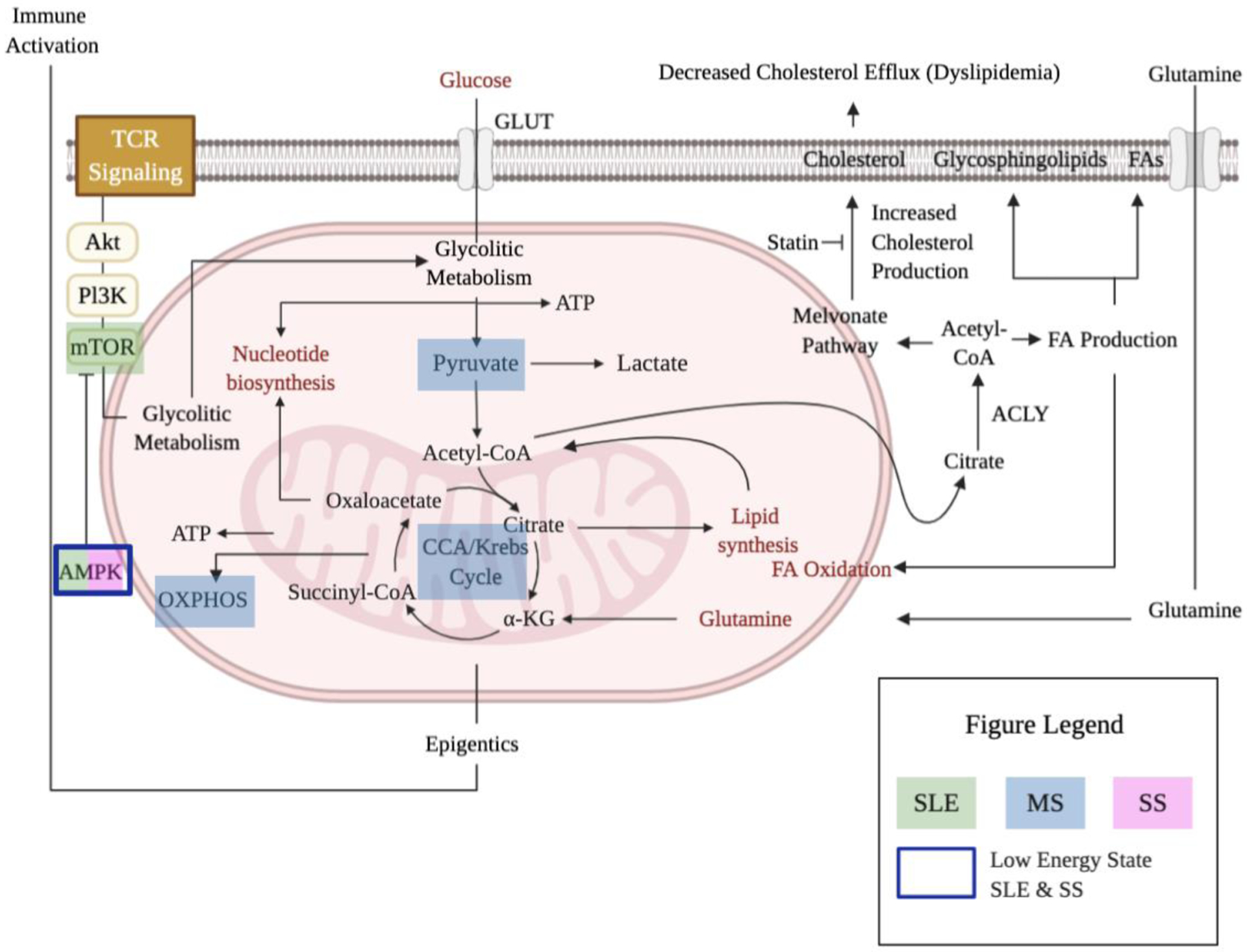
Immune cells play essential roles in metabolic homeostasis and thus, undergo analogous changes in normal physiology (e.g., puberty and pregnancy) and in various metabolic and immune diseases. An essential component of this close relationship between the two is sex differences. Many autoimmune diseases, such as systemic lupus erythematous and multiple sclerosis, feature strikingly increased prevalence in females, whereas in contrast, infectious diseases, such as Ebola and Middle East Respiratory Syndrome, affect more men than women. Therefore, there are fundamental aspects of metabolic homeostasis and immune functions that are regulated differently in males and females. This can be observed in sex hormone-immune interaction where androgens, such as testosterone, have shown immunosuppressive effects whilst estrogen is on the opposite side of the spectrum with immunoenhancing facilitation of mechanisms. In addition, the two sexes exhibit significant differences in metabolic regulation, with estrous cycles in females known to induce variability in traits and more pronounced metabolic disease phenotype exhibited by males. It is likely that these differences underlie both the development of metabolic and autoimmune diseases and the response to current treatment options. Sexual dimorphism in immunometabolism has emerged to become an area of intense research, aiming to uncover sex-biased effector molecules in the various metabolic tissues and immune cell types, identify sex-biased cell-type-specific functions of common effector molecules, and understand whether the sex differences in metabolic and immune functions influence each other during autoimmune pathogenesis. In this review, we will summarize recent findings that address these critical questions of sexual dimorphism in immunometabolism as well as their translational implications for the clinical management of autoimmune diseases.
Keywords: Autoimmune diseases; Immunometabolism; Multiple sclerosis; Sexual dimorphism; Sjögren's syndrome; Systemic lupus erythematous.
Copyright © 2021 Elsevier B.V. All rights reserved.
Conflict of interest statement
Declaration of Competing Interest
No conflicting interests to declare.
Figures
References
Publication types
MeSH terms
Grants and funding
LinkOut - more resources
Full Text Sources
Other Literature Sources
Medical
