


COVID-19 in patients with familial Mediterranean fever treated with colchicine: case based review
- PMID: 33611657
- PMCID: PMC7897416
- DOI: 10.1007/s00296-021-04809-3
COVID-19 in patients with familial Mediterranean fever treated with colchicine: case based review
Abstract
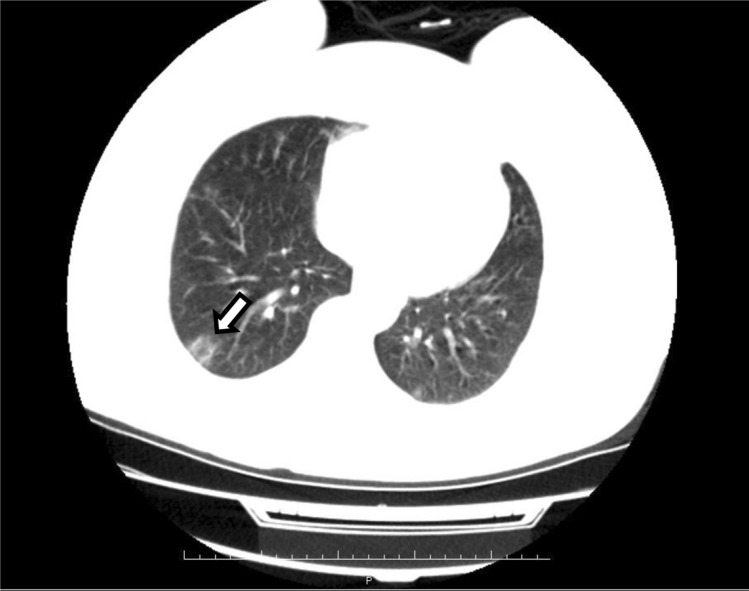
Coronavirus disease 2019 (COVID-19) refers to the clinical picture of an important and severe infectious disease caused by severe acute respiratory syndrome coronavirus 2 (SARS-CoV-2). Considering the current knowledge on the pathophysiology and clinical manifestations of COVID-19, it is safe to state that both COVID-19 and inflammatory rheumatic disorders cause a cytokine storm and merit treatment with anti-rheumatic drugs. Three patients, who were on regular follow-up due to the diagnosis of familial Mediterranean fever (FMF), contracted COVID-19 infection; and their pre-clinical and post-clinical data as well as laboratory, prognosis and treatment data were investigated. Effects of colchicine in FMF patients who contracted COVID-19 infection were presented in this study. All the cases recovered from COVID-19 without complications. The present study suggests that colchicine can positively affect the prognosis of COVID-19 in FMF patients; therefore, experience of rheumatologists in the use of anti-inflammatory drugs can be highly instrumental in management of COVID-19 patients.
Keywords: COVID-19; Clinical course; Colchicine; Familial Mediterranean fever.
Conflict of interest statement
Authors declare no conflict of interest.
Figures
References
Publication types
MeSH terms
Substances
LinkOut - more resources
Full Text Sources
Other Literature Sources
Miscellaneous
