


Tears of biceps femoris, semimembranosus, and semitendinosus are not equal-a new individual muscle-tendon concept in athletes
- PMID: 33612019
- PMCID: PMC8688976
- DOI: 10.1177/1457496920984274
Tears of biceps femoris, semimembranosus, and semitendinosus are not equal-a new individual muscle-tendon concept in athletes
Abstract
Objectives: Hamstring injuries are common and can now be accurately diagnosed. In addition, novel surgical indications have been introduced. However, evidence-based guidelines on the hamstring injuries in management of top-level athletes are missing.
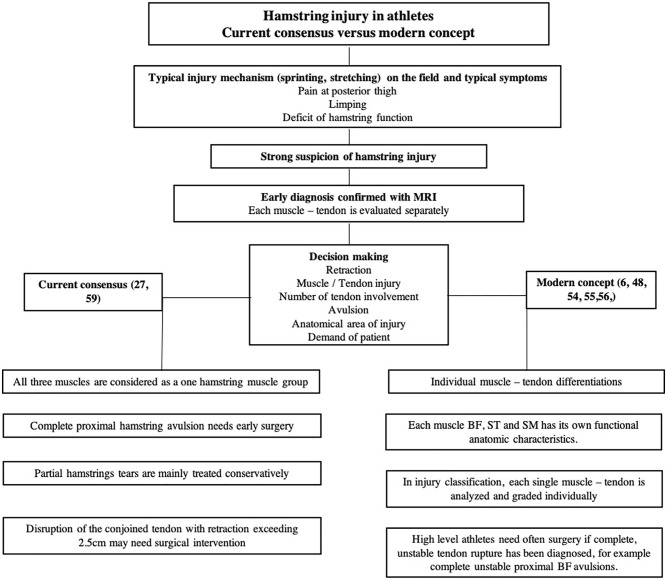
Methods: The management methods and outcomes of treatment are classically based on relatively small case series. We discuss a novel concept based on the fact that each tendon of the hamstrings muscle should be managed in an individual fashion. Furthermore, suitable indications for hamstring surgery in athletes are introduced.
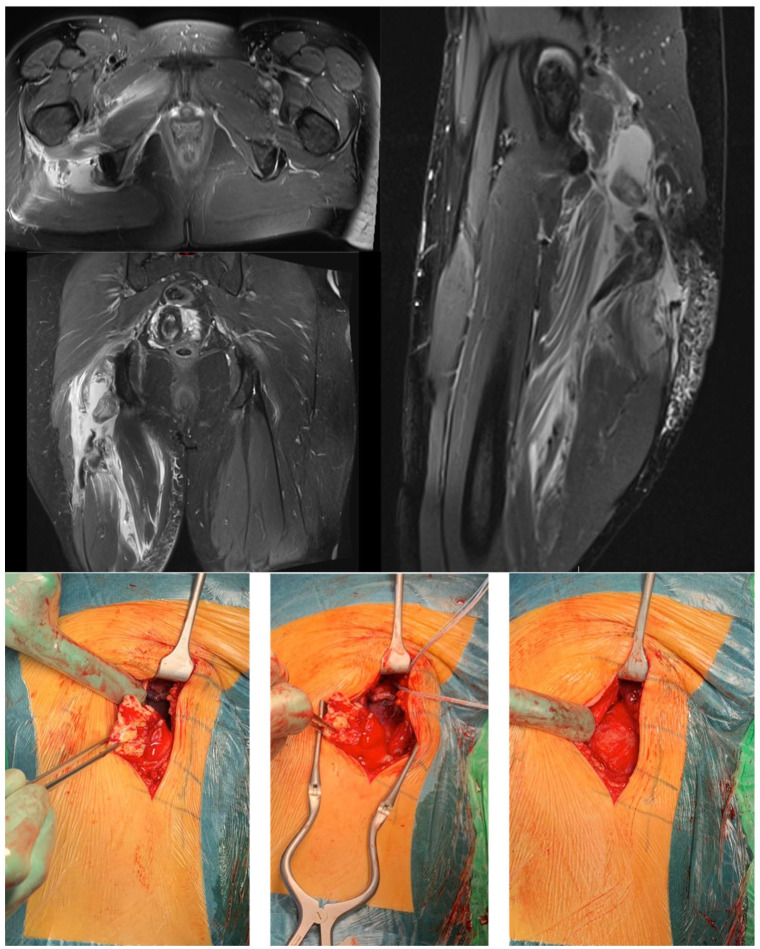
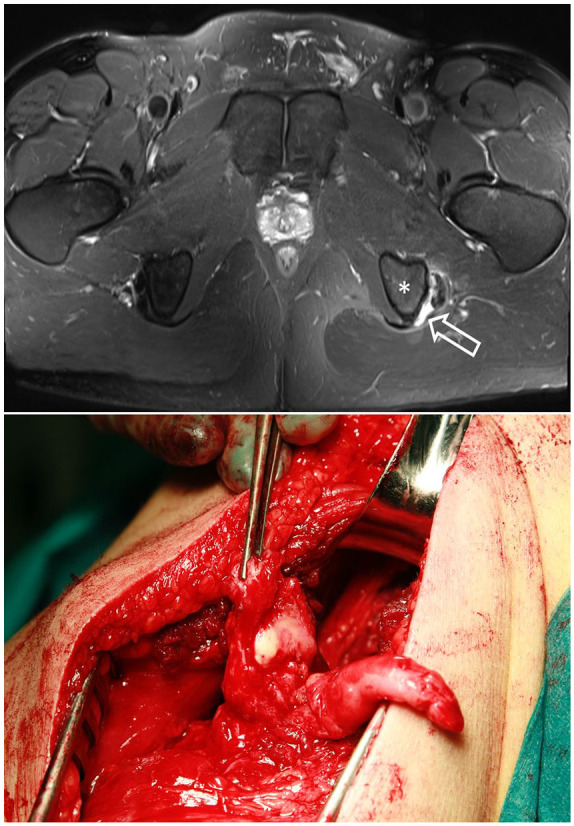
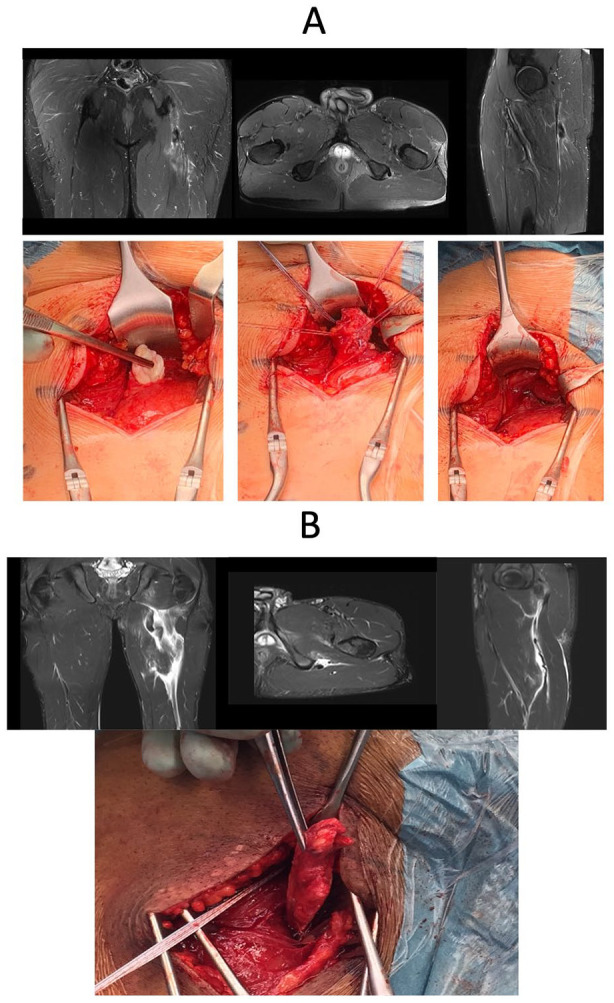
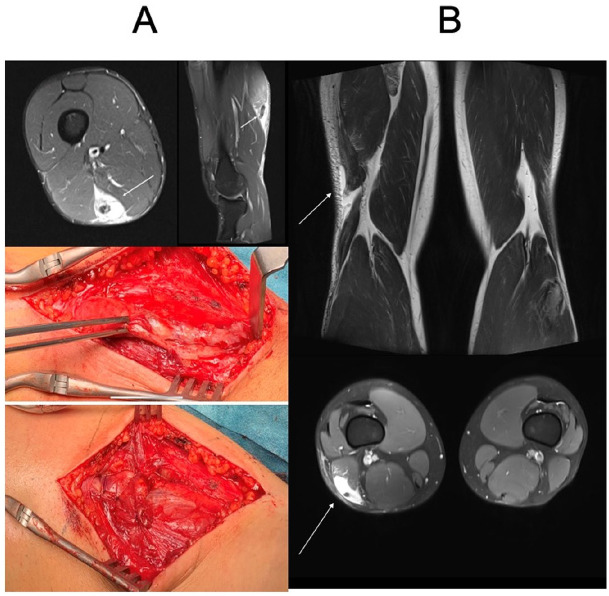
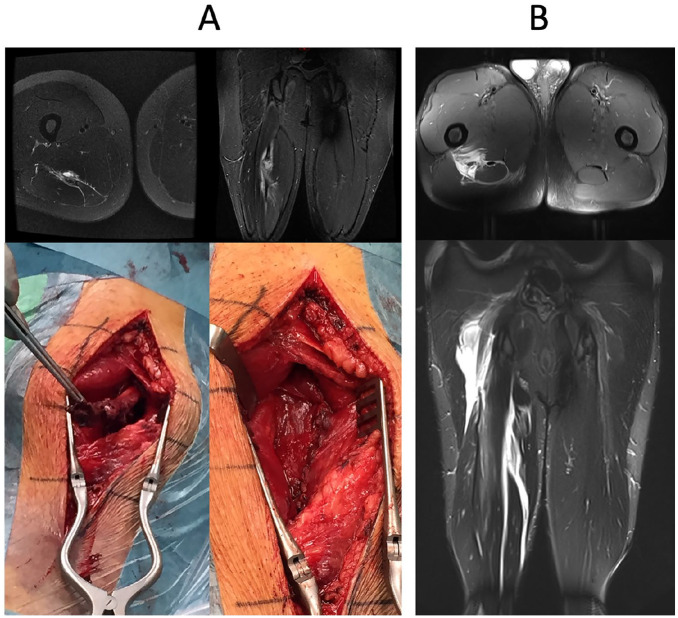
Results: The present study introduces modern treatment principles for hamstring injury management. Typical clinical and imagining findings as well as surgical treatment are presented based on a critical review of the available literature and personal experience.
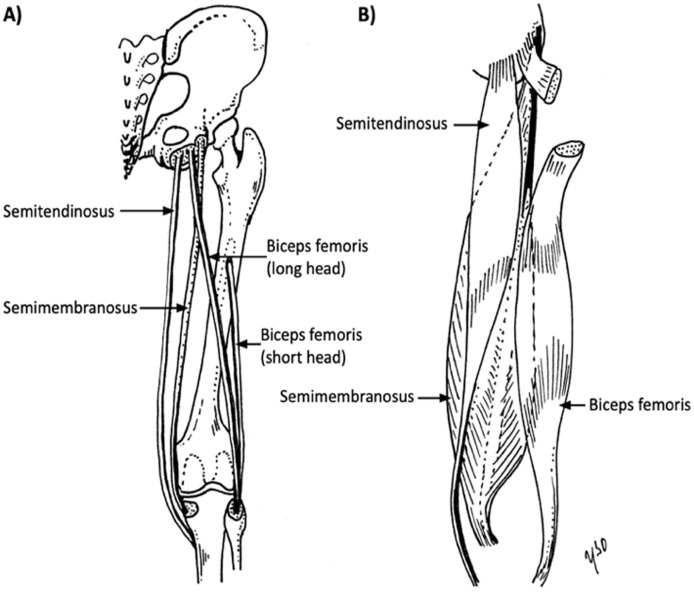
Conclusions: Hamstring injuries should not be considered to be all equal given the complexity of this anatomical region: The three separate tendons are different, and this impacts greatly on the decision-making process and outcomes in athletes.
Keywords: Hamstring injury; athlete; biceps femoris; semimembranosus; semitendinosus; surgical treatment; tendon.
Conflict of interest statement
Figures
References
-
- Woodley SJ, Mercer SR: Hamstring muscles: Architecture and innervation. Cells Tissues Organs 2005; 179(3): 125–141. - PubMed
-
- Thelen DG, Chumanov ES, Hoerth DM, et al. : Hamstring muscle kinematics during treadmill sprinting. Med Sci Sports Exerc 2005; 37(1): 108–114. - PubMed
-
- Chan O, Del Buono A, Best TM, et al. : Acute muscle strain injuries: A proposed new classification system. Knee Surg Sports Traumatol Arthrosc 2012; 20(11): 2356–2362. - PubMed
Publication types
MeSH terms
LinkOut - more resources
Full Text Sources
Other Literature Sources
