


Magnetic resonance spectroscopy for the study of cns malignancies
- PMID: 33632416
- PMCID: PMC7910526
- DOI: 10.1016/j.pnmrs.2020.11.001
Magnetic resonance spectroscopy for the study of cns malignancies
Abstract
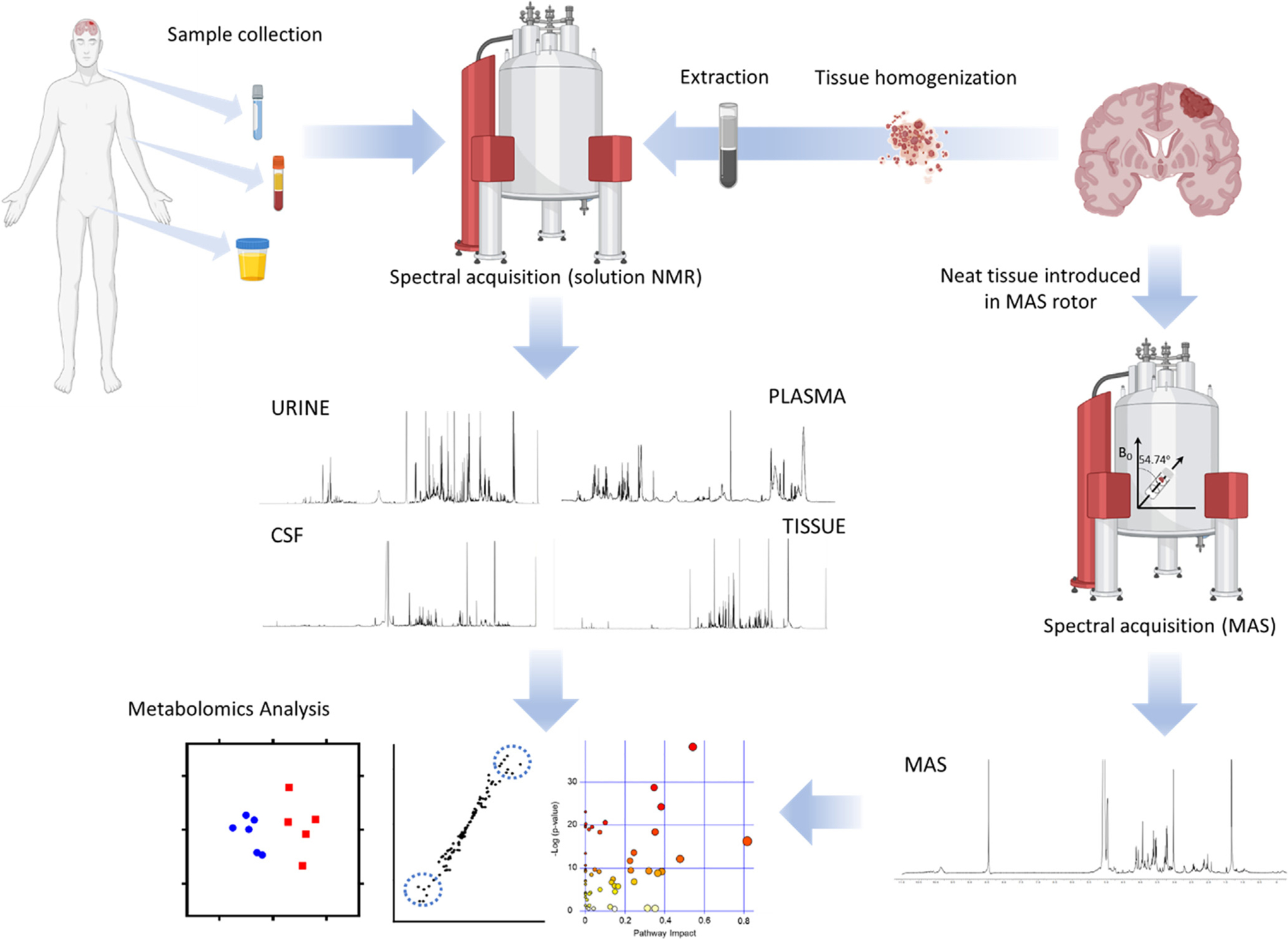
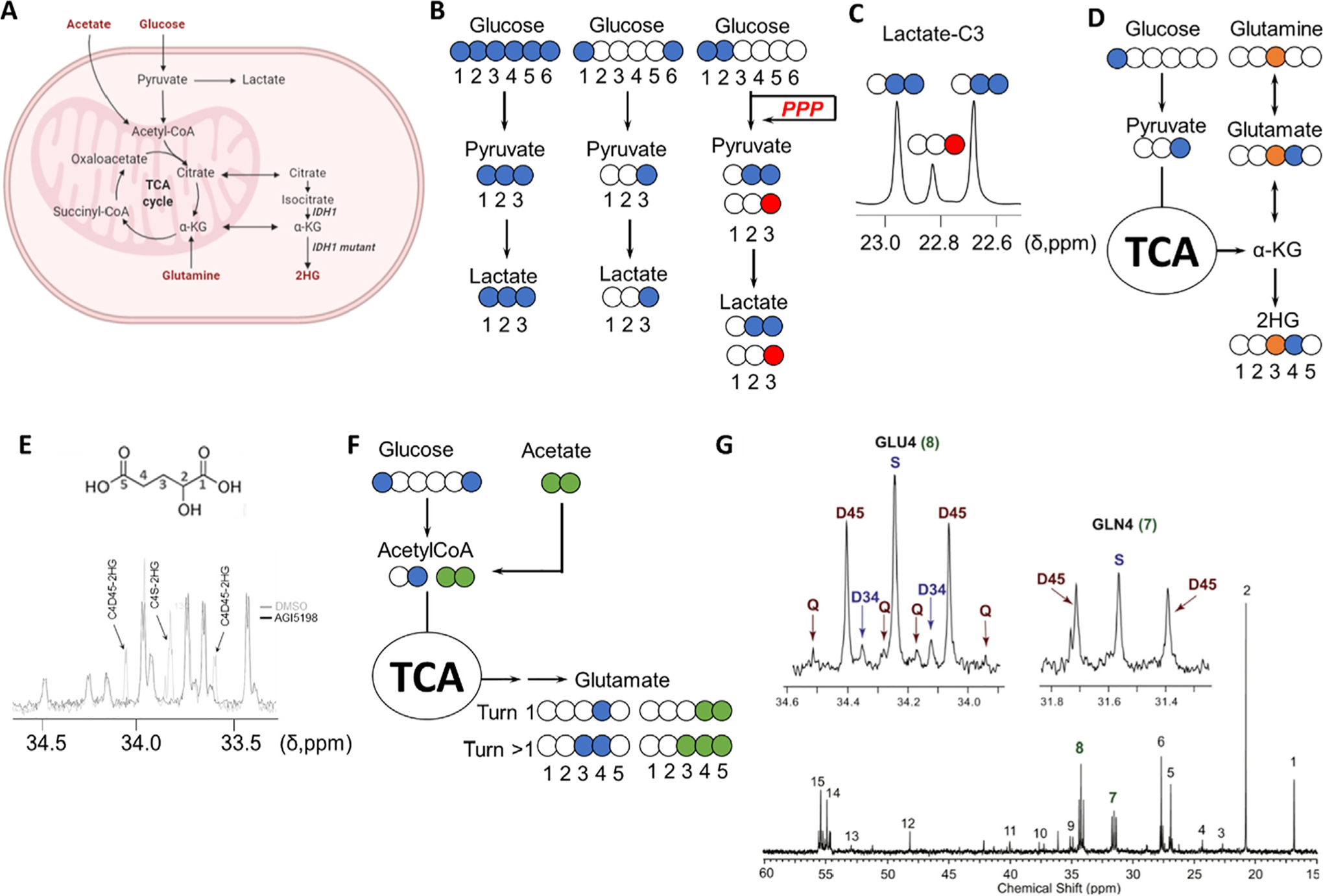
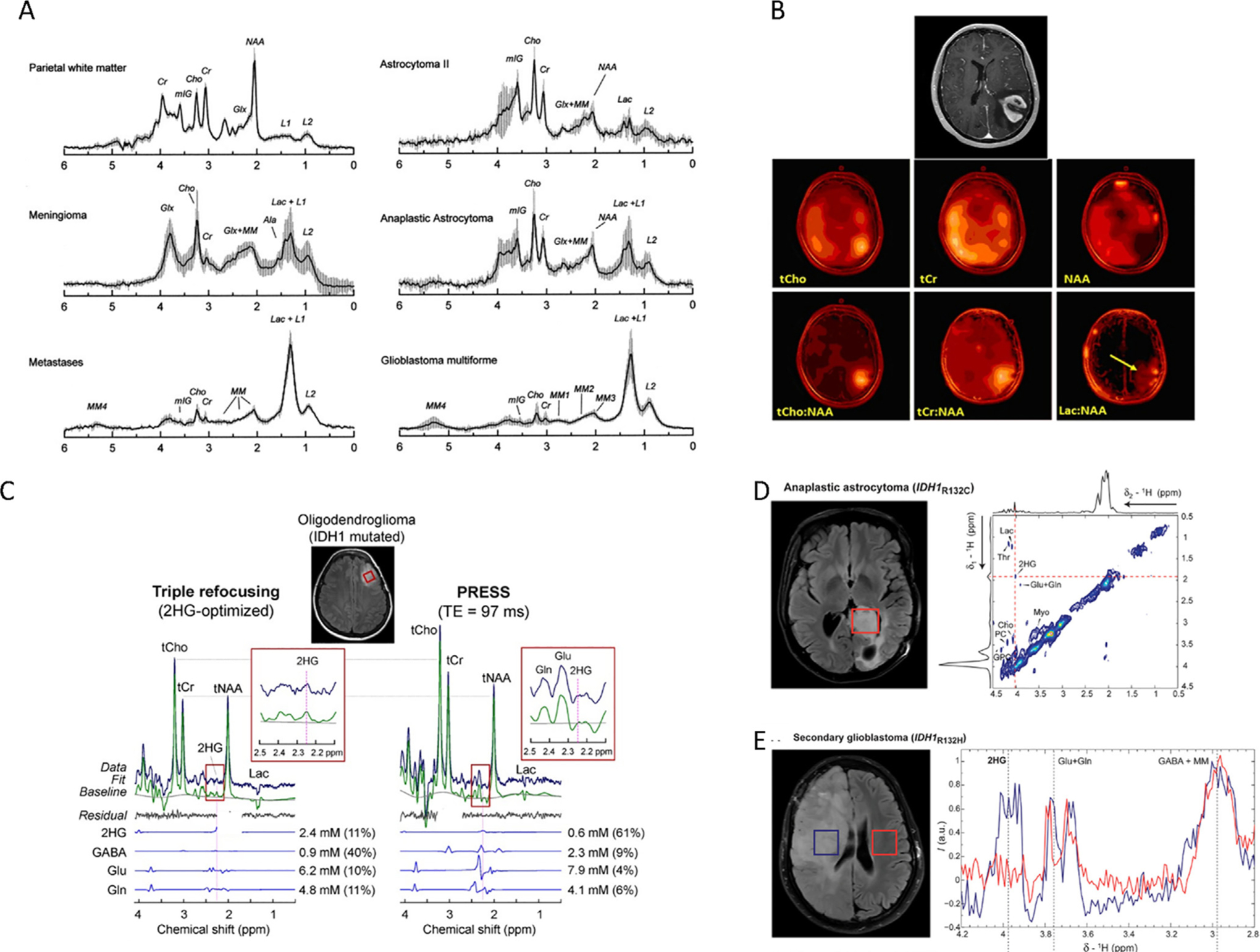
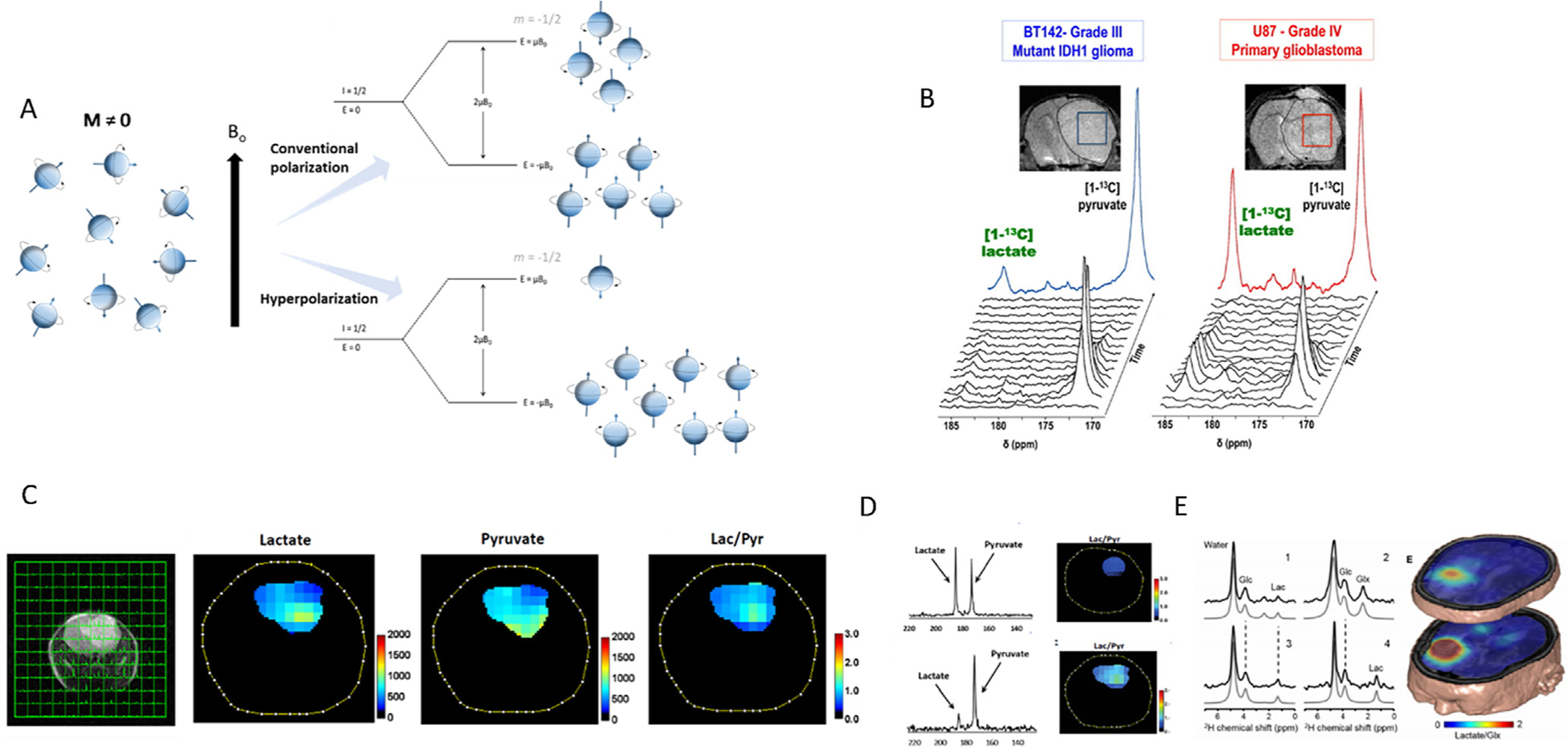
Despite intensive research, brain tumors are amongst the malignancies with the worst prognosis; therefore, a prompt diagnosis and thoughtful assessment of the disease is required. The resistance of brain tumors to most forms of conventional therapy has led researchers to explore the underlying biology in search of new vulnerabilities and biomarkers. The unique metabolism of brain tumors represents one potential vulnerability and the basis for a system of classification. Profiling this aberrant metabolism requires a method to accurately measure and report differences in metabolite concentrations. Magnetic resonance-based techniques provide a framework for examining tumor tissue and the evolution of disease. Nuclear Magnetic Resonance (NMR) analysis of biofluids collected from patients suffering from brain cancer can provide biological information about disease status. In particular, urine and plasma can serve to monitor the evolution of disease through the changes observed in the metabolic profiles. Moreover, cerebrospinal fluid can be utilized as a direct reporter of cerebral activity since it carries the chemicals exchanged with the brain tissue and the tumor mass. Metabolic reprogramming has recently been included as one of the hallmarks of cancer. Accordingly, the metabolic rewiring experienced by these tumors to sustain rapid growth and proliferation can also serve as a potential therapeutic target. The combination of 13C tracing approaches with the utilization of different NMR spectral modalities has allowed investigations of the upregulation of glycolysis in the aggressive forms of brain tumors, including glioblastomas, and the discovery of the utilization of acetate as an alternative cellular fuel in brain metastasis and gliomas. One of the major contributions of magnetic resonance to the assessment of brain tumors has been the non-invasive determination of 2-hydroxyglutarate (2HG) in tumors harboring a mutation in isocitrate dehydrogenase 1 (IDH1). The mutational status of this enzyme already serves as a key feature in the clinical classification of brain neoplasia in routine clinical practice and pilot studies have established the use of in vivo magnetic resonance spectroscopy (MRS) for monitoring disease progression and treatment response in IDH mutant gliomas. However, the development of bespoke methods for 2HG detection by MRS has been required, and this has prevented the wider implementation of MRS methodology into the clinic. One of the main challenges for improving the management of the disease is to obtain an accurate insight into the response to treatment, so that the patient can be promptly diverted into a new therapy if resistant or maintained on the original therapy if responsive. The implementation of 13C hyperpolarized magnetic resonance spectroscopic imaging (MRSI) has allowed detection of changes in tumor metabolism associated with a treatment, and as such has been revealed as a remarkable tool for monitoring response to therapeutic strategies. In summary, the application of magnetic resonance-based methodologies to the diagnosis and management of brain tumor patients, in addition to its utilization in the investigation of its tumor-associated metabolic rewiring, is helping to unravel the biological basis of malignancies of the central nervous system.
Keywords: (13)C-tracing; Brain tumors; Hyperpolarization; MRS; Metabolomics.
Published by Elsevier B.V.
Conflict of interest statement
Declaration of Competing Interest The authors declare that there is no conflict of interest.
Figures
References
-
- Louis DN, Perry A, Reifenberger G, von Deimling A, Figarella-Branger D, Cavenee WK, Ohgaki H, Wiestler OD, Kleihues P, Ellison DW, The 2016 World Health Organization Classification of Tumors of the Central Nervous System: a summary, Acta Neuropathol 131 (6) (2016) 803–820. - PubMed
-
- Louis DN, Ohgaki H, Wiestler OD, Cavenee WK, WHO Classification of Tumours of the Central Nervous System (revised 4th edition), World Health Organization, Lyon, 2016. - PubMed
-
- Barnholtz-Sloan JS, Sloan AE, Davis FG, Vigneau FD, Lai P, Sawaya RE, Incidence proportions of brain metastases in patients diagnosed (1973 to 2001) in the Metropolitan Detroit Cancer Surveillance System, J. Clin. Oncol 22 (14) (2004) 2865–2872. - PubMed
-
- National Comprehensive Cancer Network. Central nervous system cancers (version 1.2018) [https://www.nccn.org/professionals/physician_gls/pdf/cns.pdf]. - PubMed
Publication types
MeSH terms
Substances
LinkOut - more resources
Full Text Sources
Other Literature Sources
Medical
Miscellaneous
