


Can the Three-Dimensional Heads-Up Display Improve Ergonomics, Surgical Performance, and Ophthalmology Training Compared to Conventional Microscopy?
- PMID: 33633441
- PMCID: PMC7901555
- DOI: 10.2147/OPTH.S290396
Can the Three-Dimensional Heads-Up Display Improve Ergonomics, Surgical Performance, and Ophthalmology Training Compared to Conventional Microscopy?
Abstract
Purpose: To explore ophthalmic surgeons' opinions regarding three-dimensional heads-up display (3D HUD) use and investigate musculoskeletal (MSK) complaints among ophthalmologists.
Methods: Physicians were invited to complete an online questionnaire. Musculoskeletal complaints and data of the HUD system use were correlated with demographic information. We explored surgeons' feedback on image quality, depth perception, and the educational value of 3D microscopy.
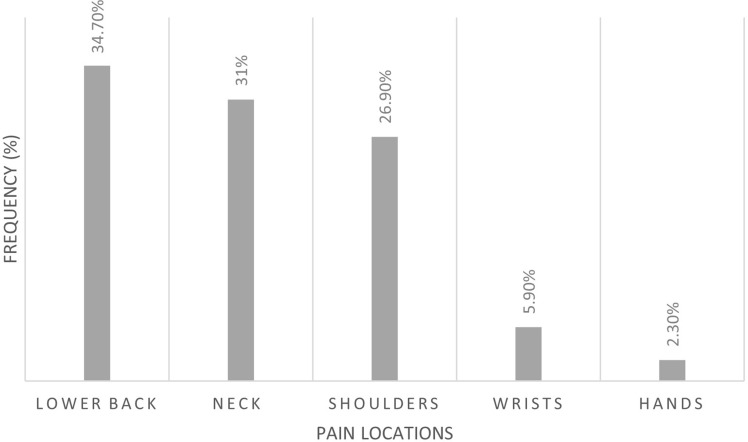
Results: In this study, the prevalence of self-reported MSK pain was 82.6% (n=132). The pain started after joining ophthalmology practice and significantly improves on weekends and vacations. We found that the pain intensity in non-HUD users is higher than in HUD users, but this correlation was not statistically significant. Sixty-one (84.7%) of HUD system users were satisfied with depth perception, and 27 (37.5%) reported improvement in peripheral acuity. Thirty-seven (51.4%) of the participants believed they perform surgeries better through HUD; this was why most participants (83.3%) recommended its use in surgical training.
Conclusion: Heads-up display use provides more comfortable sitting positions for surgeons, superior depth perception, and serves as a better educational tool. We believe that adopting this technology may help improve career longevity and productivity.
Keywords: ergonomics; heads-up display; ophthalmic surgery; three-dimensional visualization.
© 2021 Bin Helayel et al.
Conflict of interest statement
The authors report no conflicts of interest for this work.
Figures
References
LinkOut - more resources
Full Text Sources
Other Literature Sources
