Guided exercises with or without joint mobilization or no treatment in patients with subacromial pain syndrome: A clinical trial
- PMID: 33634829
- PMCID: PMC8814878
- DOI: 10.2340/16501977-2806
Guided exercises with or without joint mobilization or no treatment in patients with subacromial pain syndrome: A clinical trial
Abstract
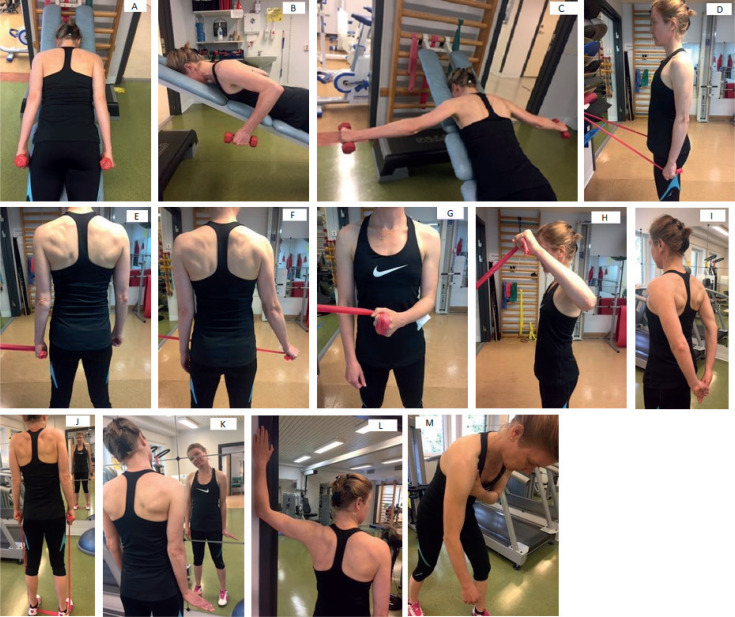
Background: Graded resistance training is the recommended treatment for patients with subacromial pain syndrome. It is debated whether adding joint mobilization will improve the outcome. The aim of this study was to evaluate the clinical outcome of guided exercises with or without joint mobilization, compared with controls who did not receive any treatment.
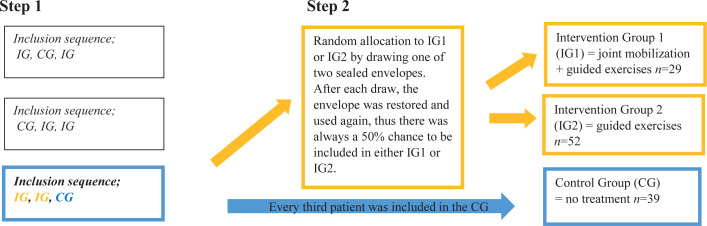
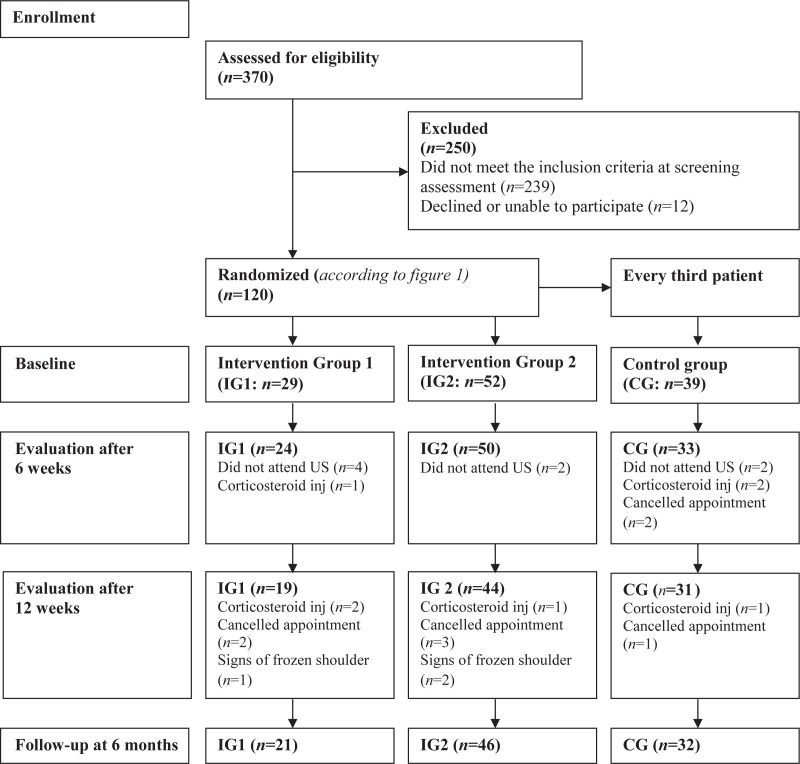
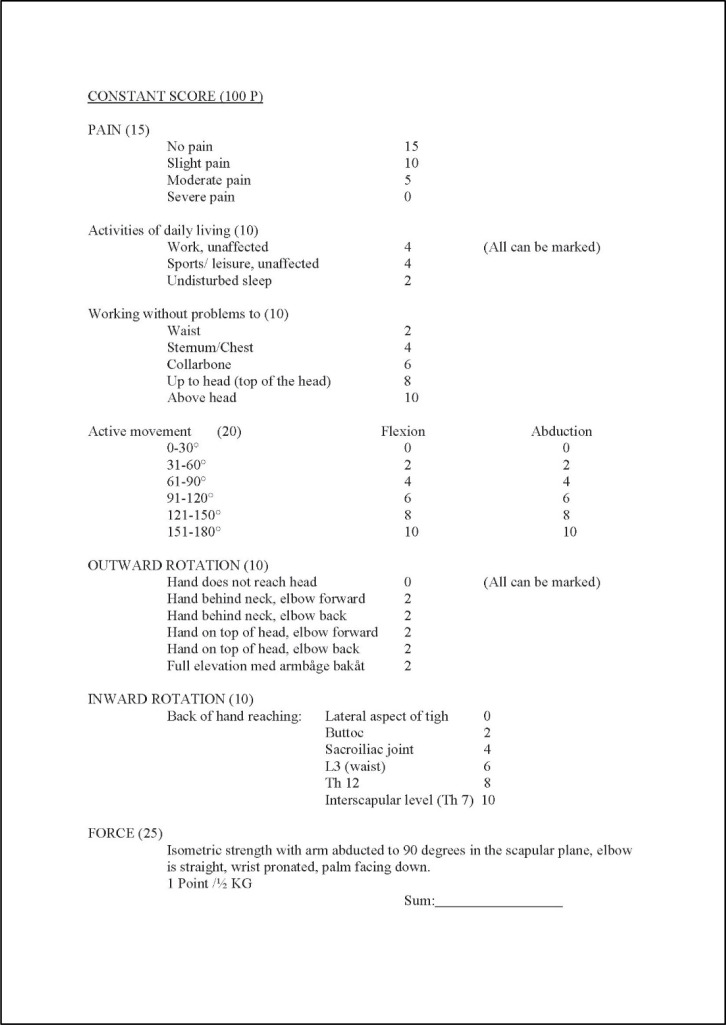
Methods: A 3-armed controlled trial in a primary care setting. A total of 120 patients, with clinically diagnosed subacromial pain syndrome, were randomized into guided exercise groups with and without additional joint mobilization, and a control group that did not receive any treatment. Data were analysed at baseline, 6 weeks, 12 weeks and 6 months. Primary outcome was the Constant-Murley score, and secondary outcomes were pain and active range of motion.
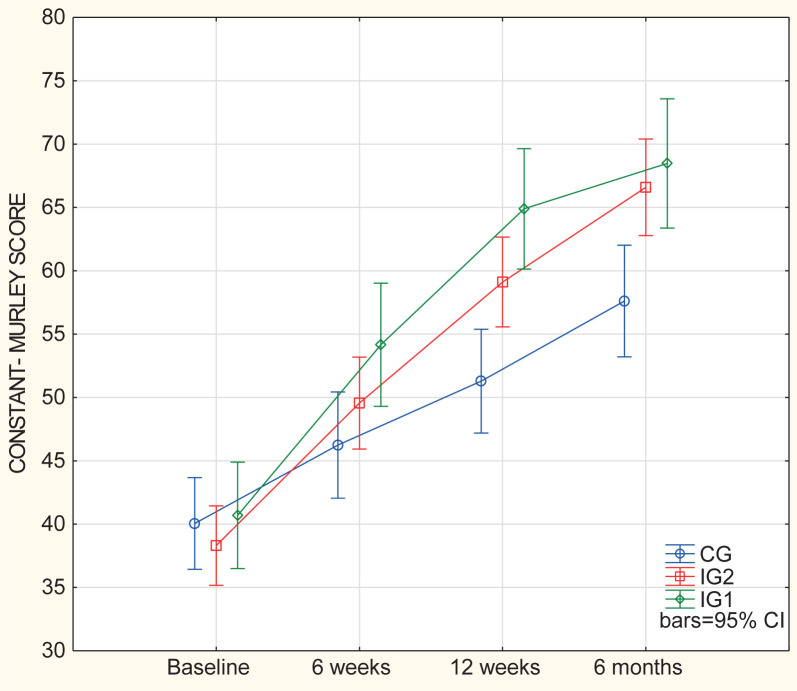
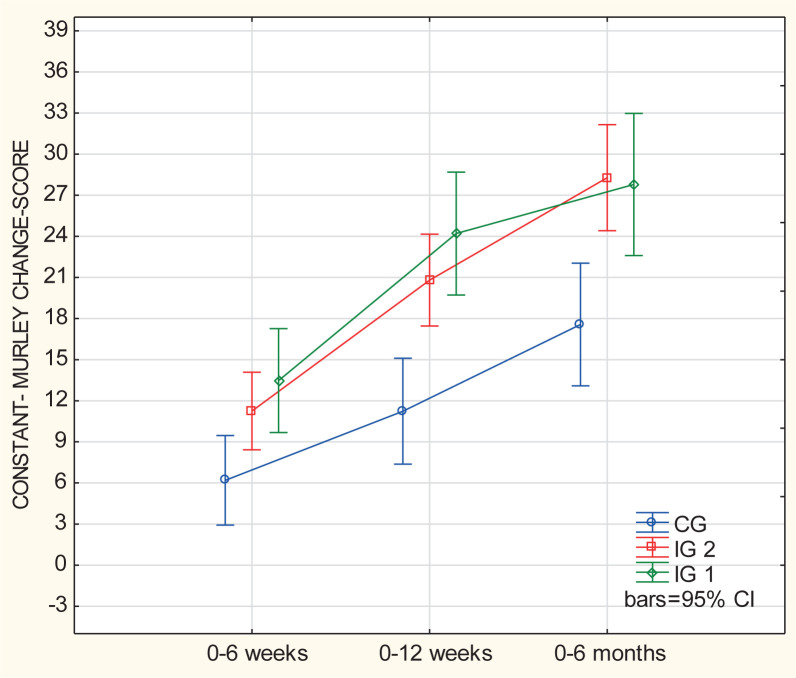
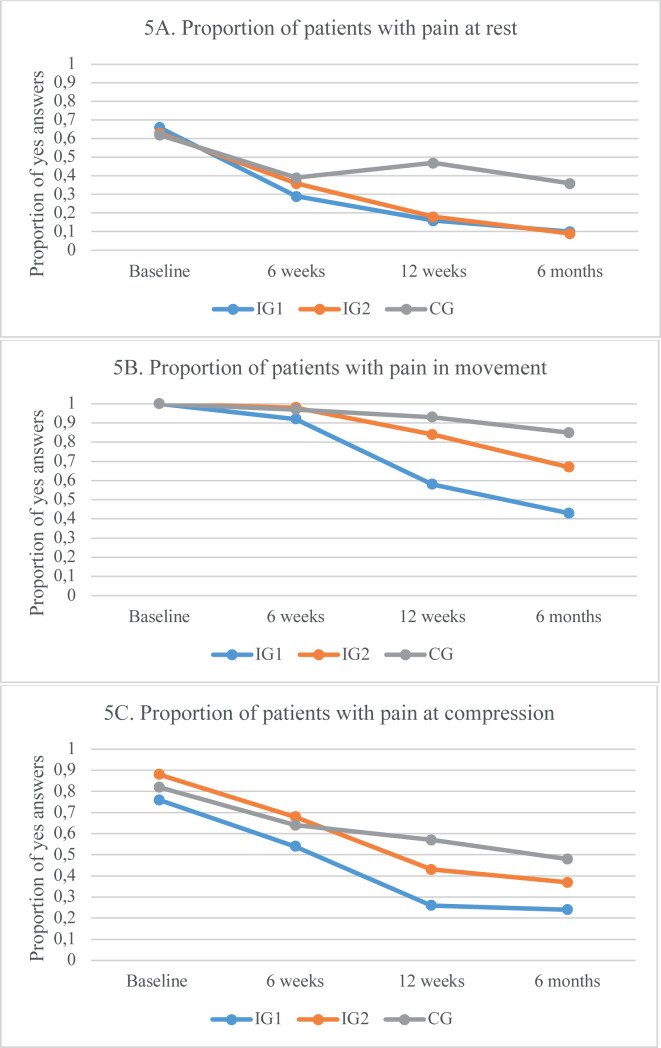
Results: Shoulder function improved in all groups, as measured with the Constant-Murley score. At 12 weeks and 6 months the exercise groups improved significantly compared with the control group (p ≤ 0.05). Add-on joint mobilization resulted in decreased pain in active range of motion at 6 and 12 weeks compared with guided exercise or no treatment (p ≤ 0.05). Range of motion increased over time in all 3 groups.
Conclusion: In patients with subacromial pain syndrome guided exercises improved shoulder function compared with no treatment. Add-on joint mobilization decreased pain in the short-term compared with exercise alone or no treatment.
Keywords: Constant-Murley score; manual therapy; resistance training; shoulder pain.
Conflict of interest statement
Figures
References
-
- Breivik H, Collett B, Ventafridda V, Cohen R, Gallacher D. Survey of chronic pain in Europe: prevalence, impact on daily life, and treatment. Eur J Pain 2006; 10: 287–333. - PubMed
-
- Seitz AL, McClure PW, Finucane S, Boardman ND, 3rd, Michener LA. Mechanisms of rotator cuff tendinopathy: intrinsic, extrinsic, or both? Clin Biomech (Bristol, Avon) 2011; 26: 1–12. - PubMed
-
- Michener LA, Walsworth MK, Doukas WC, Murphy KP. Reliability and diagnostic accuracy of 5 physical examination tests and combination of tests for subacromial impingement. Arch Phys Med Rehabil 2009; 90: 1898–1903. - PubMed
Publication types
MeSH terms
LinkOut - more resources
Full Text Sources
Other Literature Sources