


Factors hindering health care delivery in nomadic communities: a cross-sectional study in Timbuktu, Mali
- PMID: 33639923
- PMCID: PMC7916290
- DOI: 10.1186/s12889-021-10481-w
Factors hindering health care delivery in nomadic communities: a cross-sectional study in Timbuktu, Mali
Abstract
Background: In Mali, nomadic populations are spread over one third of the territory. Their lifestyle, characterized by constant mobility, excludes them from, or at best places them at the edge of, health delivery services. This study aimed to describe nomadic populations' characteristics, determine their perception on the current health services, and identify issues associated with community-based health interventions.
Methods: To develop a better health policy and strategic approaches adapted to nomadic populations, we conducted a cross-sectional study in the region of Timbuktu to describe the difficulties in accessing health services. The study consisted in administering questionnaires to community members in the communes of Ber and Gossi, in the Timbuktu region, to understand their perceptions of health services delivery in their settings.
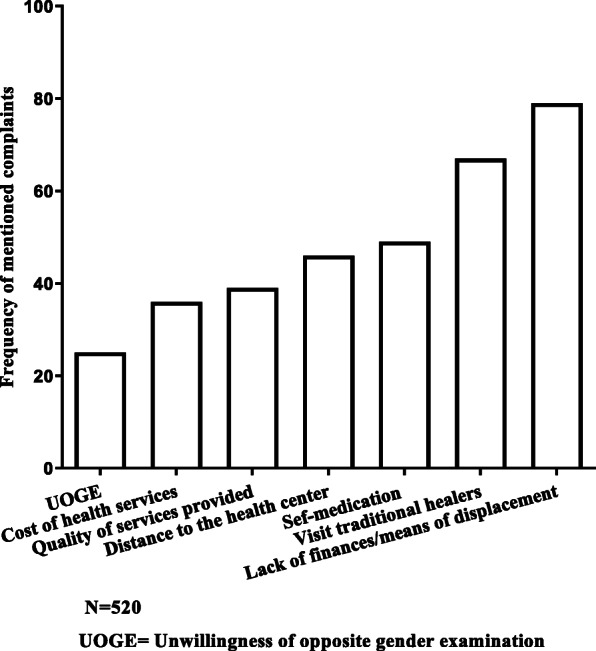
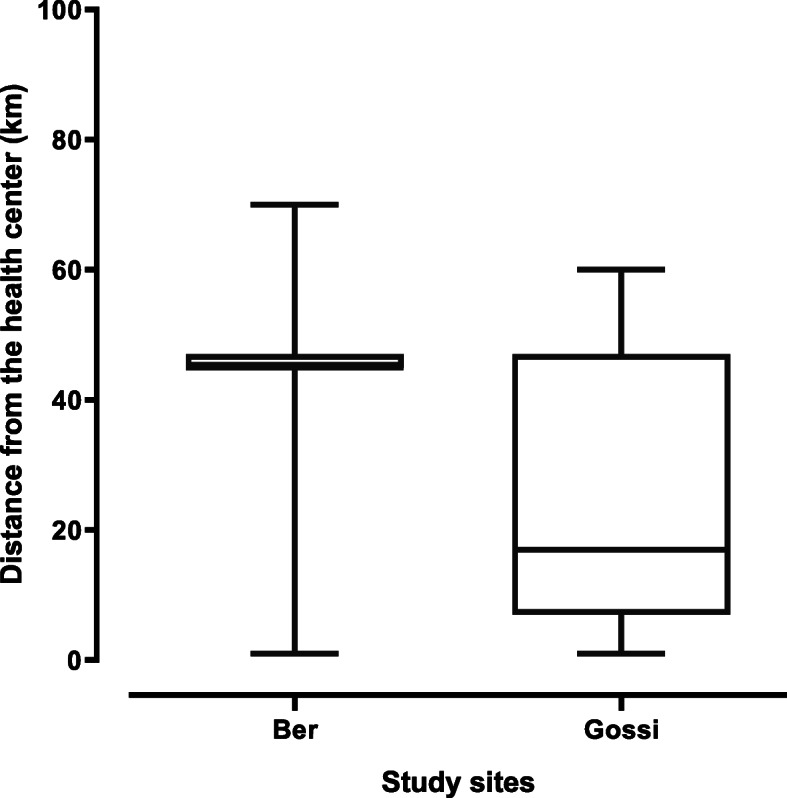
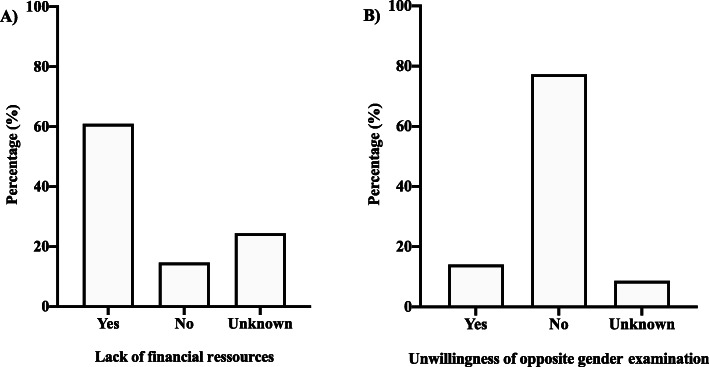
Results: We interviewed 520 individuals, all members of the nomadic communities of the two study communes. Their median age was 38 years old with extremes ranging from 18 to 86 years old. Their main activities were livestock breeding (27%), housekeeping (26.4%), local trading (11%), farming (6%) and artisans (5.5%). The average distance to the local health center was 40.94 km and 23.19 km respectively in Gossi and Ber. In terms of barriers to access to health care, participants complained mainly about the transportation options (79.4%), the quality of provided services (39.2%) and the high cost of available health services (35.7%). Additionally, more than a quarter of our participants stated that they would not allow themselves to be examined by a health care worker of the opposite gender.
Conclusion: This study shows that nomadic populations do not have access to community-based health interventions. A number of factors were revealed to be important barriers per these communities' perception including the quality of services, poverty, lifestyle, gender and current health policy strategies in the region. To be successful, future interventions should take these factors into account by adapting policies and methods.
Keywords: Access; Delivery; Healthcare; Mali; Nomadic; Timbuktu.
Conflict of interest statement
The authors declare that they have no competing interests.
Figures
References
-
- Cellule de Planification et de Statistique (CPS/SSDSPF), Institut National de la Statistique (INSTAT/MPATP),INFO-STAT et ICF International . Enquête Démographique et de Santé au Mali 2012-2013. Rockville: CPS, INSTAT, INFO-STAT et ICF International; 2014.
-
- Keïta M. Typologie urbaine et accessibilité géographique potentielle des établissements de santé dits «modernes» dans le district de Bamako (Mali). Espace populations sociétés. 2018.
-
- Konaté MK, Kanté B, Djenepo F. Politique de santé communautaire et viabilité économique et sociale des centres de santé communautaires au Mali. 2003.
-
- Benoist (Joseph Roger de) : Le Mali. — Paris, L'Harmattan, 1989. pp. 297–298.
-
- Diop M, Revenga A, Fajnzylber P, Hoogeveeen J, Etang-Ndip A, Sanoh A, et al. Évaluation de la situation socio-économique des populations du nord Mali et leurs priorités. 1998.
Publication types
MeSH terms
Grants and funding
LinkOut - more resources
Full Text Sources
Other Literature Sources
