


Dual Antiretroviral Therapy-All Quiet Beneath the Surface?
- PMID: 33643320
- PMCID: PMC7906996
- DOI: 10.3389/fimmu.2021.637910
Dual Antiretroviral Therapy-All Quiet Beneath the Surface?
Abstract
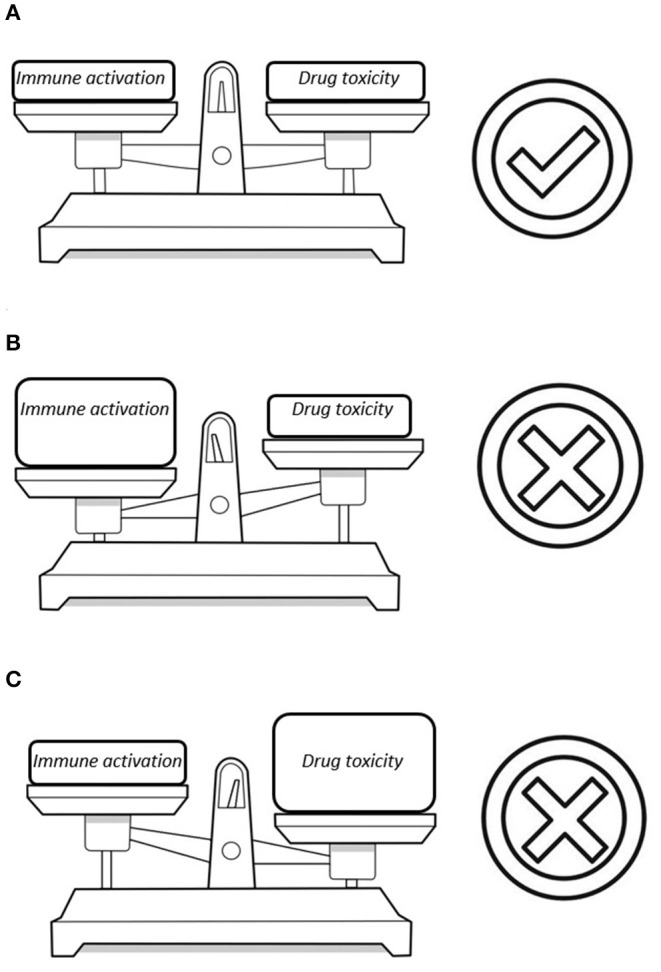
Infection with the human immunodeficiency virus (HIV) is characterized by progressive depletion of CD4+ lymphocytes cells as a result of chronic immune activation. Next to the decreases in the number of CD4+ cells which leads to opportunistic infections, HIV-related immune activation is associated with several prevalent comorbidities in the HIV-positive population such as cardiovascular and bone disease. Traditionally, combination antiretroviral therapy (cART) consists of three drugs with activity against HIV and is highly effective in diminishing the degree of immune activation. Over the years, questions were raised whether virological suppression could also be achieved with fewer antiretroviral drugs, i.e., dual- or even monotherapy. This is an intriguing question considering the fact that antiretroviral drugs should be used lifelong and their use could also induce cardiovascular and bone disease. Therefore, the equilibrium between drug-induced toxicity and immune activation related comorbidity is delicate. Recently, two large clinical trials evaluating two-drug cART showed non-inferiority with respect to virological outcomes when compared to triple-drug regimens. This led to adoption of dual antiretroviral therapy in current HIV treatment guidelines. However, it is largely unknown whether dual therapy is also able to suppress immune activation to the same degree as triple therapy. This poses a risk for an imbalance in the delicate equilibrium. This mini review gives an overview of the current available evidence concerning immune activation in the setting of cART with less than three antiretroviral drugs.
Keywords: HIV; antiretroviral therapy; cART; dual therapy; immune activation.
Copyright © 2021 van Welzen, Oomen and Hoepelman.
Conflict of interest statement
The authors declare that the research was conducted in the absence of any commercial or financial relationships that could be construed as a potential conflict of interest.
Figures
References
Publication types
MeSH terms
LinkOut - more resources
Full Text Sources
Other Literature Sources
Medical
Research Materials
