


Seasonal variation and COVID-19 infection pattern: A gap from evidence to reality
- PMID: 33644502
- PMCID: PMC7896490
- DOI: 10.1016/j.coesh.2021.100238
Seasonal variation and COVID-19 infection pattern: A gap from evidence to reality
Abstract
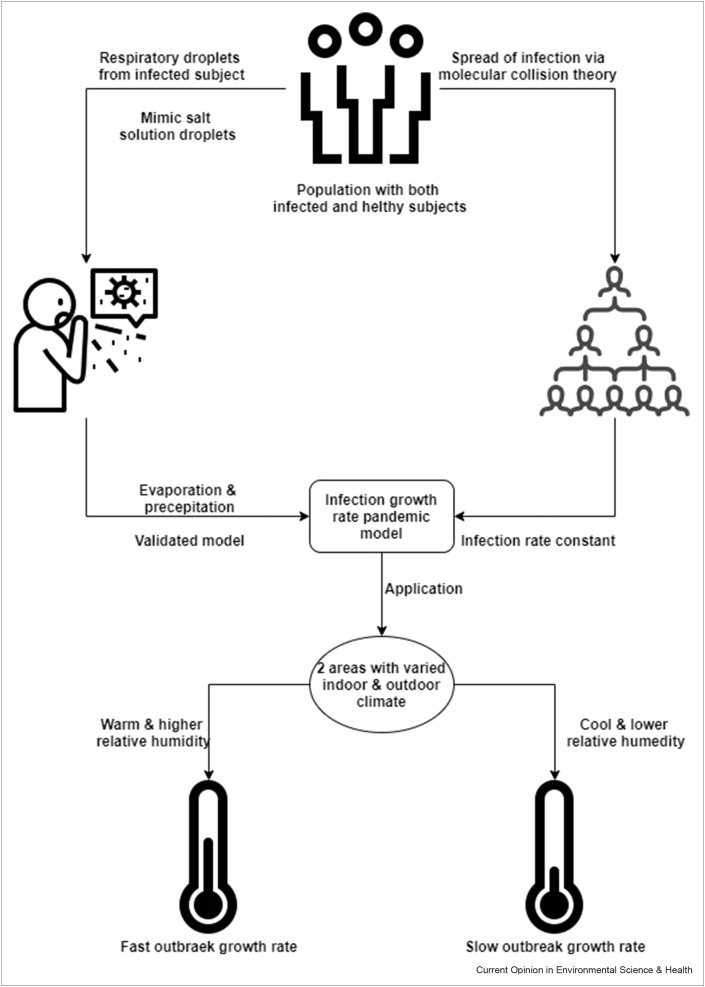
In December 2019, the coronavirus disease (COVID-19) was discovered in China, causing many cases and deaths. Several studies have explored the role of environmental factors in the spread of COVID-19, emphasizing the effect of two weather parameters, humidity and temperature. Those parameters are evidently vital in affecting outbreaks of infectious respiratory diseases, like influenza; yet, such an effect on COVID-19 remains controversial. This review explores the relation between the change in weather-related factors and the transmission of the COVID-19. With seasonal variation from winter to summer and in the absence of adopting thorough public health measures, elevated temperature and humidity might not limit the COVID-19 cases. Hence, we need multidisciplinary strategies and interventions to limit the burden of this pandemic over the healthcare systems.
Keywords: COVID-19; Humidity; Public health; Seasonal variation; Temperature; Transmission.
© 2021 Elsevier B.V. All rights reserved.
Conflict of interest statement
The authors declare that they have no known competing financial interests or personal relationships that could have appeared to influence the work reported in this paper.
Figures
References
-
- WHO . 2020. Coronavirus disease (COVID-19) situation report – 194.
-
- VOA Where did they go? Millions Left Wuhan Before Quarantine. 2020
Publication types
LinkOut - more resources
Full Text Sources
Other Literature Sources
Miscellaneous