A History of Cancer Research: Carcinogens and Mutagens
- PMID: 33649023
- PMCID: PMC7919401
- DOI: 10.1101/cshperspect.a035857
A History of Cancer Research: Carcinogens and Mutagens
Abstract
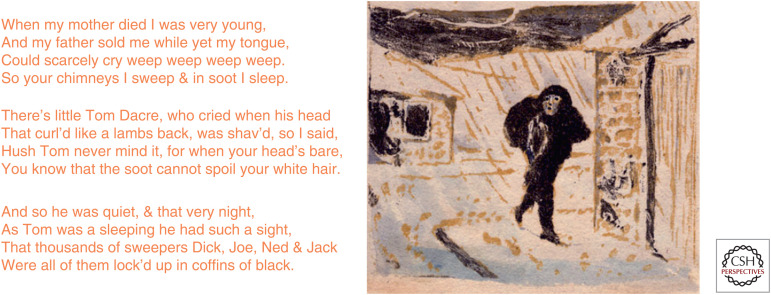
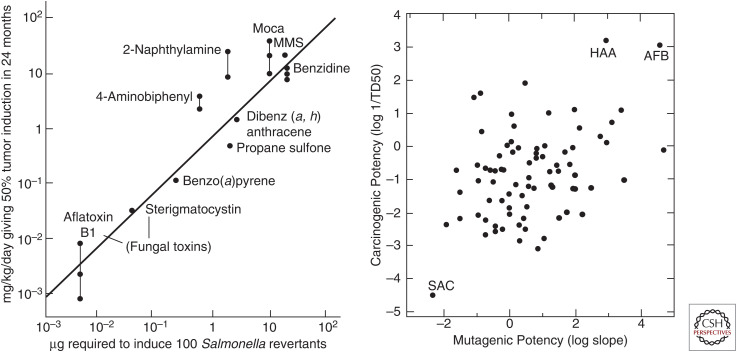
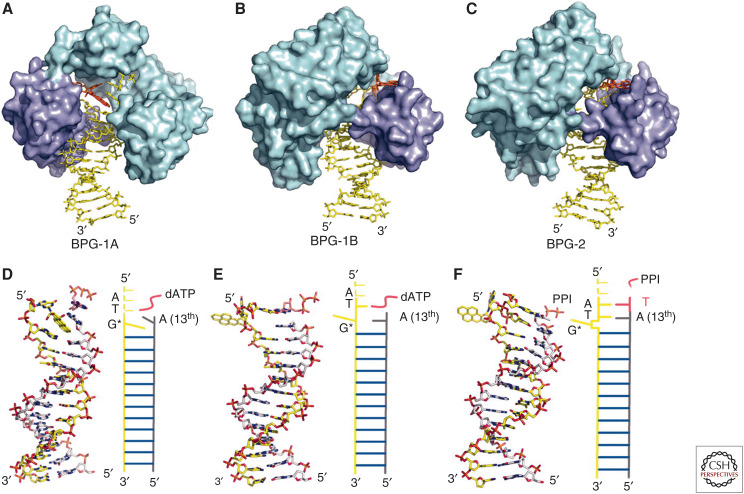
Observations of the incidence of tumors among chimney sweeps in the eighteenth century and later experiments with coal tars provided early evidence that carcinogens in the environment can promote cancer. Subsequent studies of individuals exposed to radiation, work on fly genetics, and the discovery that DNA was the genetic material led to the idea that these carcinogens act by inducing mutations in DNA that change the behavior of cells and ultimately cause cancer. In this excerpt from his forthcoming book, Joe Lipsick looks back at how the concepts of mutagenesis and carcinogenesis emerged, how these converged with development of the Ames test, and how biochemistry and crystallography ultimately revealed the underlying molecular basis.
Copyright © 2021 Cold Spring Harbor Laboratory Press; all rights reserved.
Figures
References
SUGGESTED READING
Chimney Sweeps’ Cancer
Coal Tar–Induced Cancer
-
- Henschen F. 1968. Yamagiwa's tar cancer and its historical significance—from Percival Pott to Katsusaburo Yamagiwa. Gann 59: 447–451. - PubMed
-
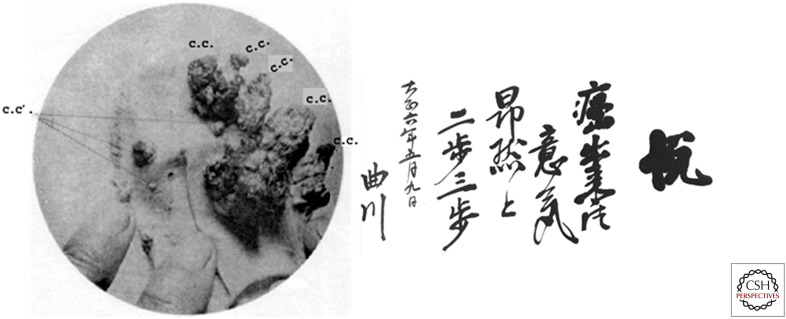
- Yamagiwa K, Ichikawa K. 1918. Experimental study of the pathogenesis of carcinoma. J. Cancer Res 3: 1–29. [Reprinted in CA Cancer J Clin27: 174–181 (1977).] - PubMed
Radiation-Induced Cancer
Chemical Carcinogens
Publication types
MeSH terms
Substances
LinkOut - more resources
Full Text Sources
Other Literature Sources
Medical
Miscellaneous