


Comparison of performance and carcass composition of a novel slow-growing crossbred broiler with fast-growing broiler for chicken meat in Australia
- PMID: 33652532
- PMCID: PMC7936175
- DOI: 10.1016/j.psj.2020.12.063
Comparison of performance and carcass composition of a novel slow-growing crossbred broiler with fast-growing broiler for chicken meat in Australia
Abstract
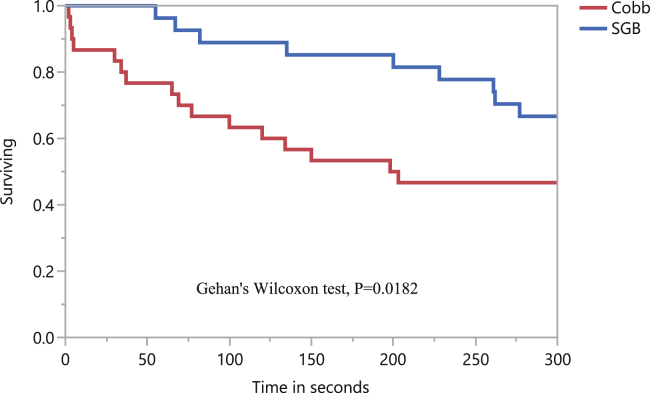
Slow-growing broilers offer differentiation in the chicken meat market for consumers who have distinct preferences based on perceived higher welfare indices and willingness to pay a higher price for the product. Although breeding for slow-growing broilers is relatively advanced in Europe and the United States, it is limited in Australia. Crossbreeding is one of the approaches taken to developing slow-growing broiler strains. Thus, the aim of this study was to compare performance, immune response, leg health, carcass characteristics, and meat quality of a novel crossbred slow-growing broiler breed (SGB) with the conventional, fast-growing Cobb 500 broiler (CB) to assess their suitability as an alternative for chicken meat production in Australia. A total of 236 one-day-old broiler chicks (116 SGB and 120 fast-growing CB) were reared on standard commercial diet in an intensive production system. Birds and feed were weighed on a weekly basis and feed intake and feed conversion ratio calculated. At 21 d of age, a 2% suspension of sheep red blood cells was injected subcutaneously into 8 broilers of each breed to compare their antibody response. Birds from both breeds were grown to a final live weight of 2.0-2.2 kg, before a latency-to-lie (LTL) test, carcass analysis and apparent metabolizable energy (AME) assay were performed. The SGB reached the target weight at 55 d of age compared with 32 d in CB. However, SGB stood for longer during LTL, had higher thigh, drumstick, and wing yields (as a percentage of carcass weight) as well as darker and redder meat in comparison with the CB. The CB had better feed conversion efficiency, higher antibody (IgM) production, higher AME, heavier breast yield, and lower meat drip loss than the SGB. Although fast-growing CB outperformed the SGB for traditional performance parameters, the crossbred in this study was comparable with other slow-growing broiler breeds and strains across different countries and is thus a suitable candidate for a slow-growing alternative in Australia.
Keywords: carcass composition; chicken meat; crossbred; performance; slow-growing broiler.
Copyright © 2020 The Authors. Published by Elsevier Inc. All rights reserved.
Figures


References
-
- Abdullah F., Buchtova H. Comparison of qualitative and quantitative properties of the wings, necks and offal of chicken broilers from organic and conventional production systems. Vet. Med. (Praha) 2016;61:643–651.
-
- Aberle E.D., Forrest J.C., Gerrad D.E., Mills E.W. Kendall/Hunt Publ. Co.; Dubuque, IA: 2001. Principles of Meat Science.
-
- Alves M.C.F., Paz I.C.d.L.A., Nääs I.d.A., Garcia R.G., Caldara F.R., Baldo G.A.d.A., Garcia E.A., Molino A.d.B. Locomotion of commercial broilers and indigenous chickens. Rev. Bras. de Zootec. 2016;45:372–379.
-
- Attia Y.A., Abd-Elhamidb A.-E.E., Mustafac M., M A A.-H., Muhammadb M. Response of slow-growing chickens to feed restriction and effects on growth performance, blood constituents and immune markers. Rev. Mex. Cienc. Pecu. 2017;8:175–184.
Publication types
MeSH terms
LinkOut - more resources
Full Text Sources
Other Literature Sources
