


Effects of Microbiota Imbalance in Anxiety and Eating Disorders: Probiotics as Novel Therapeutic Approaches
- PMID: 33652962
- PMCID: PMC7956573
- DOI: 10.3390/ijms22052351
Effects of Microbiota Imbalance in Anxiety and Eating Disorders: Probiotics as Novel Therapeutic Approaches
Abstract
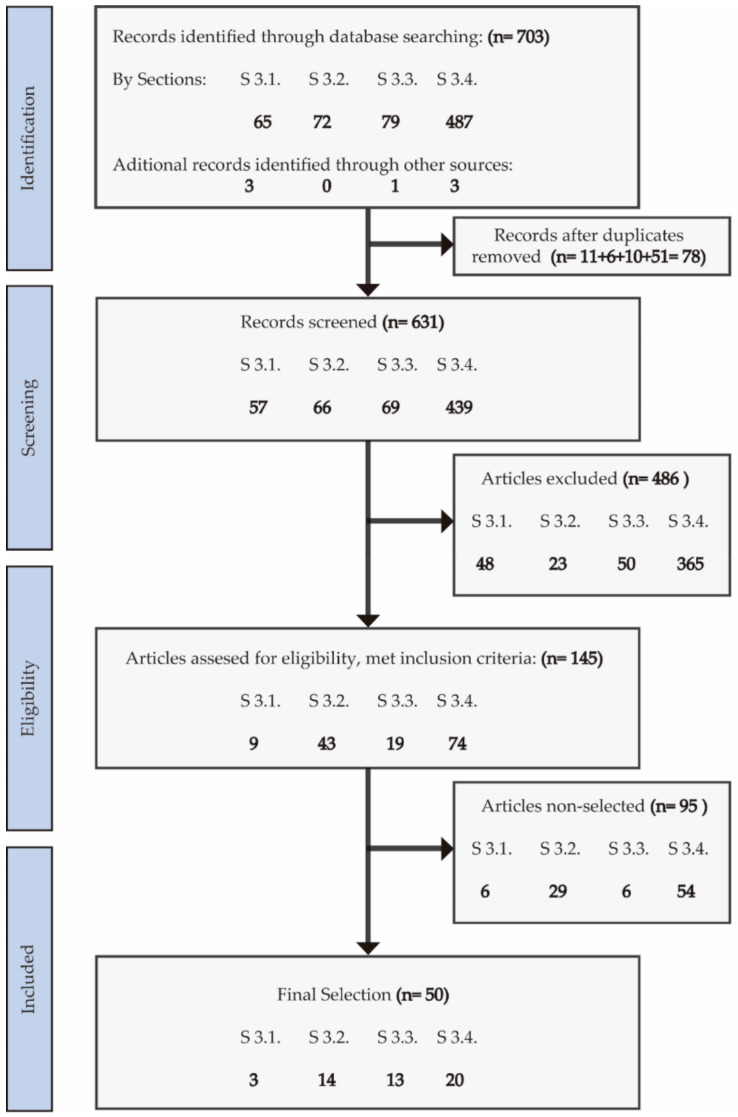
Anxiety and eating disorders produce a physiological imbalance that triggers alterations in the abundance and composition of gut microbiota. Moreover, the gut-brain axis can be altered by several factors such as diet, lifestyle, infections, and antibiotic treatment. Diet alterations generate gut dysbiosis, which affects immune system responses, inflammation mechanisms, the intestinal permeability, as well as the production of short chain fatty acids and neurotransmitters by gut microbiota, which are essential to the correct function of neurological processes. Recent studies indicated that patients with generalized anxiety or eating disorders (anorexia nervosa, bulimia nervosa, and binge-eating disorders) show a specific profile of gut microbiota, and this imbalance can be partially restored after a single or multi-strain probiotic supplementation. Following the PRISMA methodology, the current review addresses the main microbial signatures observed in patients with generalized anxiety and/or eating disorders as well as the importance of probiotics as a preventive or a therapeutic tool in these pathologies.
Keywords: anorexia nervosa; anxiety; binge-eating disorder; bulimia nervosa; dysbiosis; gut microbiota; gut–brain axis; probiotics.
Conflict of interest statement
The authors declare no conflict of interest. The funders had no role in the design of the study; in the collection, analyses, or interpretation of data; in the writing of the manuscript; or in the decision to publish the results.
Figures
References
-
- Alonso J., Angermeyer M.C., Bernert S., Bruffaerts R., Brugha T.S., Bryson H., de Girolamo G., Graaf R., Demyttenaere K., Gasquet I., et al. 12-Month comorbidity patterns and associated factors in Europe: Results from the European Study of the Epidemiology of Mental Disorders (ESEMeD) project. Acta Psychiatr. Scand. Suppl. 2004;109:28–37. doi: 10.1111/j.1600-0047.2004.00328.x. - DOI - PubMed
-
- Salari N., Hosseinian-Far A., Jalali R., Vaisi-Raygani A., Rasoulpoor S., Mohammadi M., Rasoulpoor S., Khaledi-Paveh B. Prevalence of Stress, Anxiety, Depression Among the General Population during the COVID-19 Pandemic: A Systematic Review and Meta-Analysis. Glob. Health. 2020;16:57. doi: 10.1186/s12992-020-00589-w. - DOI - PMC - PubMed
-
- Preti A., Girolamo G de Vilagut G., Alonso J., Graaf R de Bruffaerts R., Demyttenaere K., Pinto-Meza A., Haro J.M., Morosini P. The epidemiology of eating disorders in six European countries: Results of the ESEMeD-WMH project. J. Psychiatr. Res. 2009;43:1125–1132. doi: 10.1016/j.jpsychires.2009.04.003. - DOI - PubMed
Publication types
MeSH terms
Grants and funding
LinkOut - more resources
Full Text Sources
Other Literature Sources
Medical
