


Changes in anthropometric and blood 25-hydroxyvitamin D measurements in antenatal vitamin supplemented gestational diabetes mellitus patients: a systematic review and meta-analysis of randomized controlled trials
- PMID: 33663196
- PMCID: PMC8420744
- DOI: 10.4274/jtgga.galenos.2021.2020.0197
Changes in anthropometric and blood 25-hydroxyvitamin D measurements in antenatal vitamin supplemented gestational diabetes mellitus patients: a systematic review and meta-analysis of randomized controlled trials
Abstract
Objective: Gestation weight (GW), body mass index (BMI), and blood 25-hydroxyvitamin D [25(OH)D] level during pregnancy are important determinants of the gestational outcomes. This study aimed to study how these parameters vary between antenatal vitamin D recipients and non-recipients in gestational diabetes mellitus (GDM) patients.
Material and methods: The randomized controlled trials comparing these outcomes between vitamin D recipient and non-recipient GDM patients were searched in electronic databases (PubMed, Embase, and Scopus). The reviewed studies’ data were abstracted and critically appraised using the Cochrane tool. The estimation of the weighted mean difference for GW and BMI and standardized mean difference (SMD) for 25(OH)D levels occurred by juxtaposing the interventions meta-analytically (random-effect model). The statistical inconsistency was determined by Chi2 and I2 method. The statistical significance was estimated at p<0.05 and 95% confidence interval (CI).
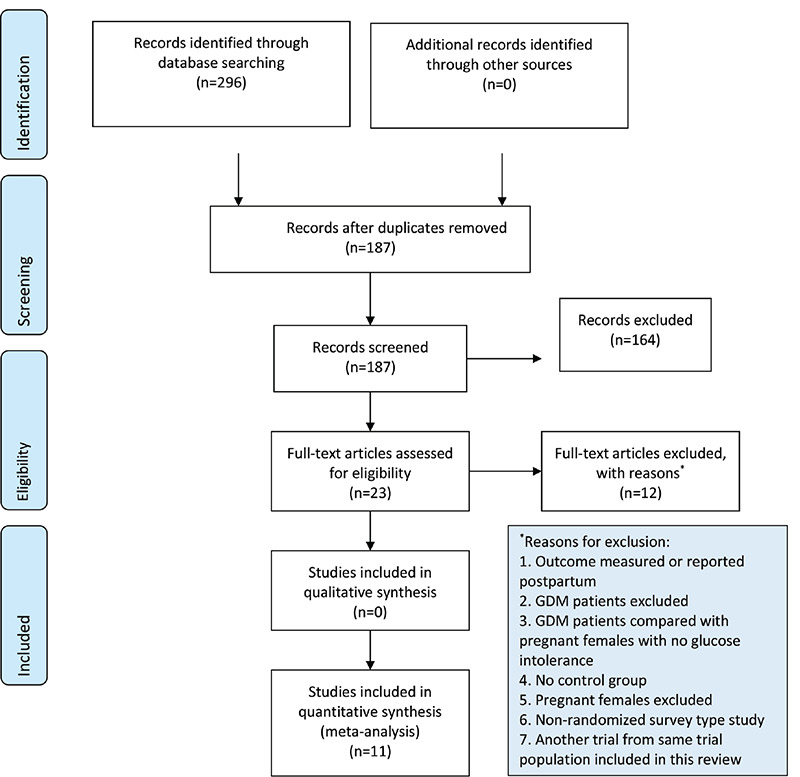
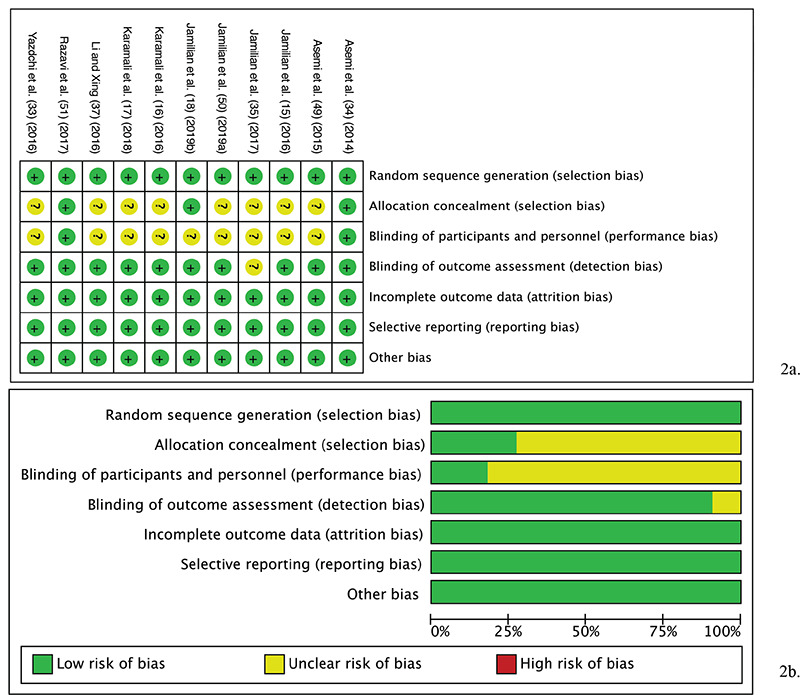
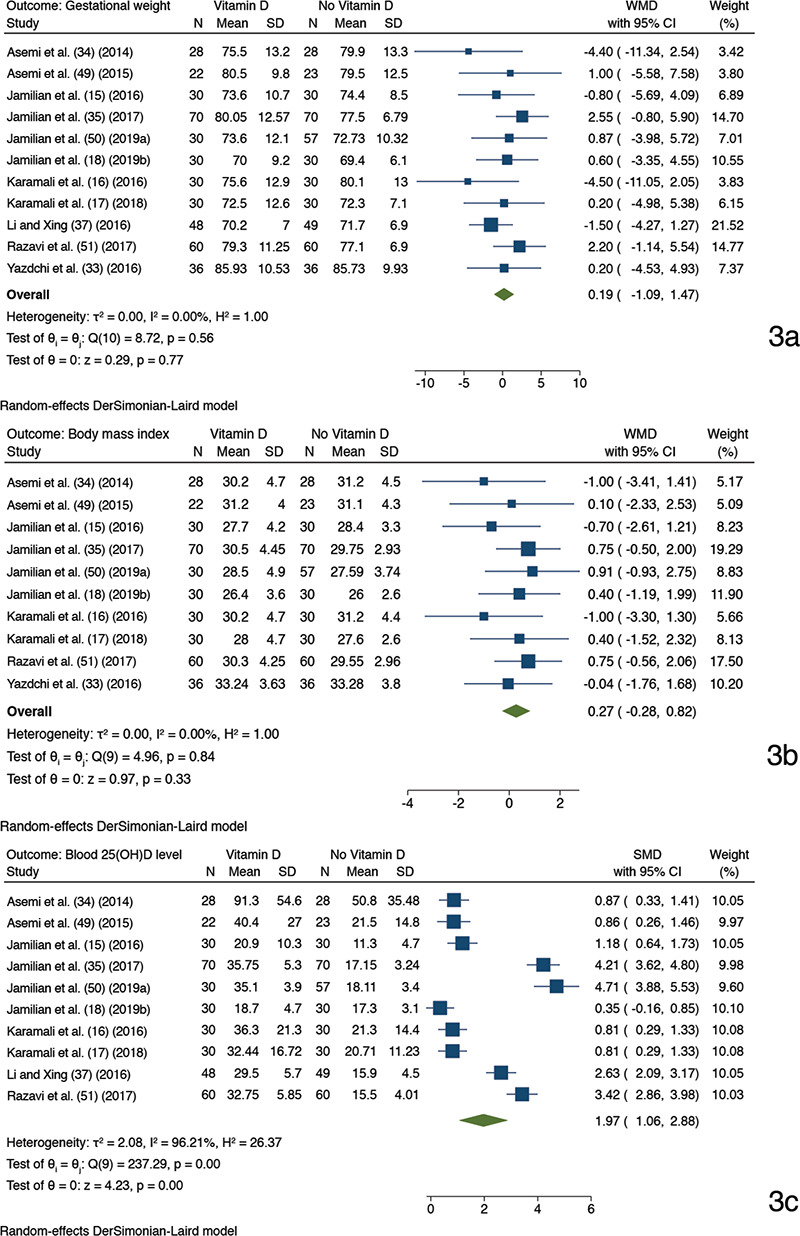
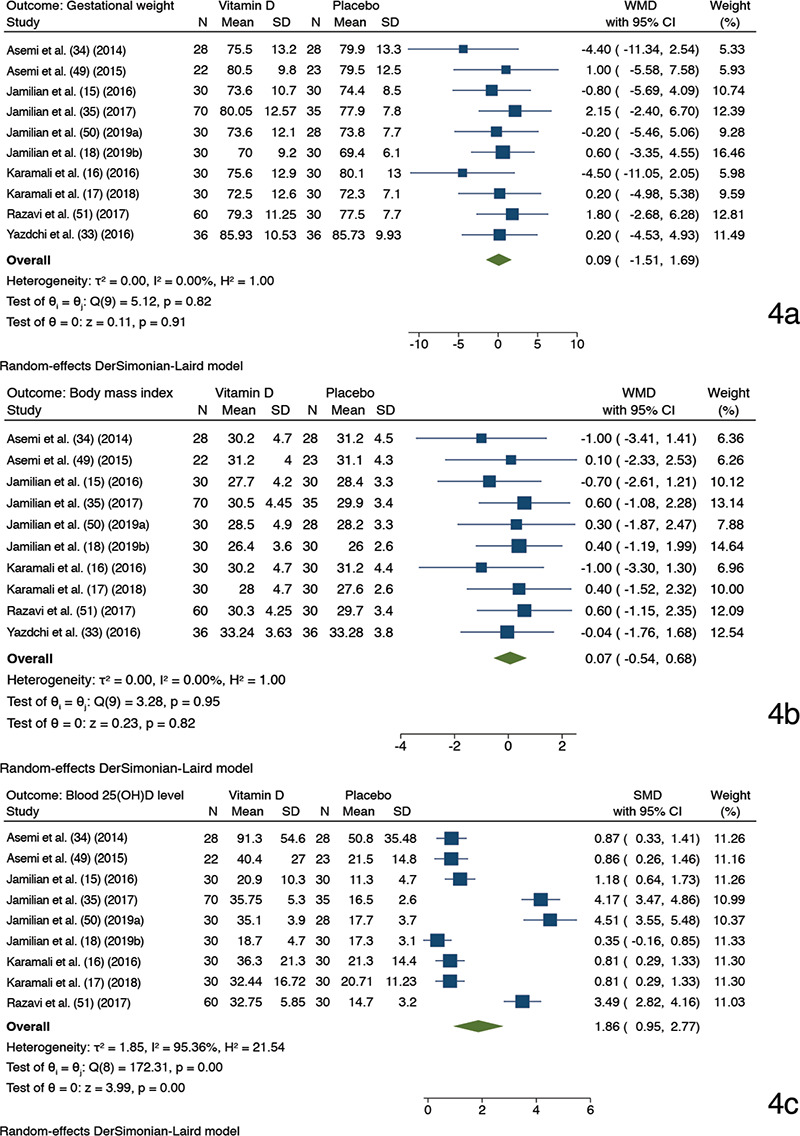
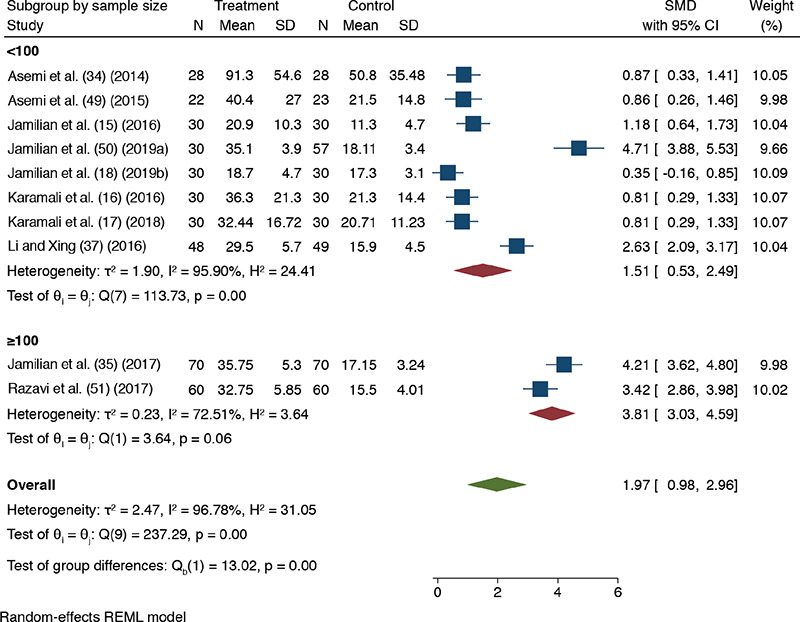
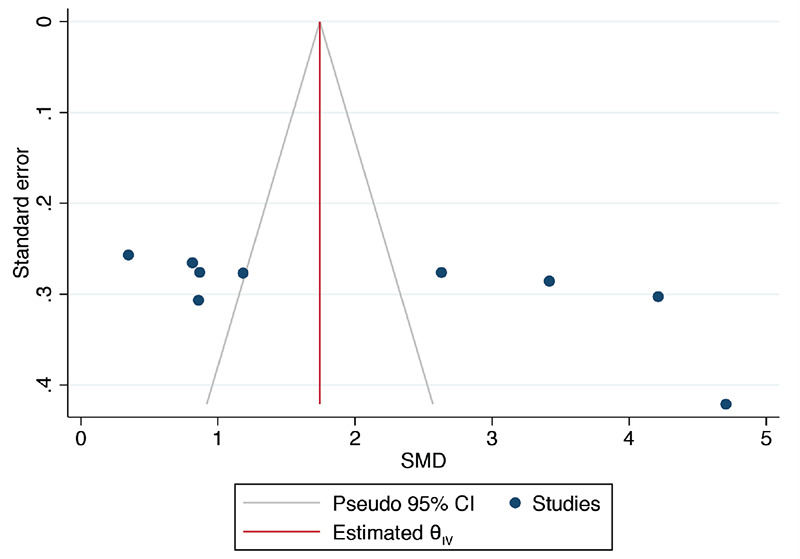
Results: Eleven eligible trials (all Iran-based, except one), sourcing data from about 875 GDM patients, were reviewed. Overall, the risk of bias was low, except for selection and performance bias. On random-effect model meta-analysis, the 25(OH)D levels of the GDM patients favored the vitamin D recipients when compared to non-vitamin D (SMD 1.97, 95% CI: 1.06-2.88, p<0.001; I2 96.2%, p of Chi2 <0.001) and placebo (SMD 1.86, 95% CI: 0.95-2.77, p<0.001; I2 95.3%, p of Chi2 <0.001) recipients, respectively. On meta-regression, sample size was a predictor of the observed heterogeneity. For GW and BMI the interventions did not differ statistically significantly.
Conclusion: In GDM patients, antenatal use of vitamin D aids in the rise of blood 25(OH)D levels. However, vitamin D supplementation did not affect change in GW or BMI.
Keywords: Gestational diabetes; dietary supplement; vitamin D,.
Conflict of interest statement
Figures
References
-
- Quintanilla Rodriguez BS, Mahdy H. Gestational Diabetes. [Updated: 2019 Dec 23]. In: StatPearls [Internet] Treasure Island (FL): StatPearls Publishing; 2020. Available from: [Internet] https://www.ncbi.nlm.nih.gov/books/NBK545196/ - PubMed
-
- Xiong X, Saunders LD, Wang FL, Demianczuk NN. Gestational diabetes mellitus: prevalence, risk factors, maternal and infant outcomes. Int J Gynaecol Obstet. 2001;75:221–8. - PubMed
-
- Ferrara A. Increasing prevalence of gestational diabetes mellitus: a public health perspective. Diabetes Care. 2007;30(Suppl 2):S141–6. - PubMed
-
- Adam S, Rheeder P. Screening for gestational diabetes mellitus in a South African population: Prevalence, comparison of diagnostic criteria and the role of risk factors. S Afr Med J. 2017;107:523–7. - PubMed
LinkOut - more resources
Full Text Sources
Other Literature Sources
