Review
. 2021 Apr;42(4):280-292.
doi: 10.1016/j.it.2021.02.004. Epub 2021 Mar 1.

Context-Dependent Glioblastoma-Macrophage/Microglia Symbiosis and Associated Mechanisms

Affiliations
Review

Context-Dependent Glioblastoma-Macrophage/Microglia Symbiosis and Associated Mechanisms

Wenjing Xuan et al. Trends Immunol. 2021 Apr.

Abstract

Glioblastoma (GBM) is a lethal form of primary brain tumor in human adults. The impact of tumor-intrinsic alterations is not exclusively confined to cancer cells but can also be extended to the tumor microenvironment (TME). Glioblastoma-associated macrophages/microglia (GAMs) are a prominent type of immune cells that account for up to 50% of total cells in GBM. Emerging evidence suggests that context-dependent GBM-GAM symbiotic interactions are pivotal for tumor growth and progression. Here, we discuss how specific genetic alterations in GBM cells affect GAM biology and, reciprocally, how GAMs support GBM progression. We hypothesize that understanding context-dependent GBM-GAM symbiosis may reveal the molecular basis of GBM tumorigenesis and lead to novel candidate treatment approaches aiming to improve GBM patient outcomes.

Keywords: crosstalk; glioblastoma; heterogeneity; macrophages; microglia; symbiosis.


Conflict of interest statement

Declaration of Interests No interests are declared.

Figures
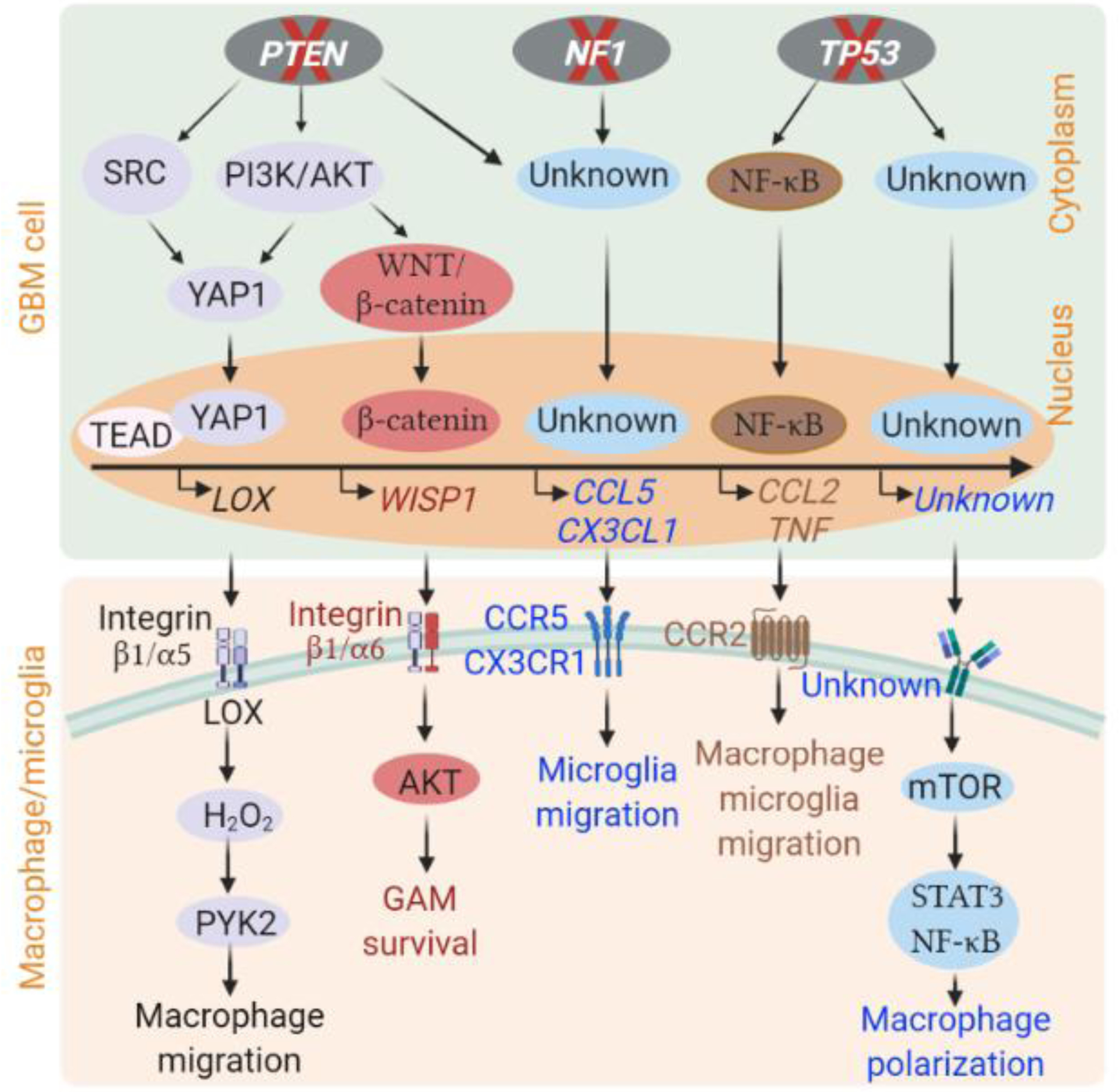
Figure 1.
Figure 1.. Inactivation of tumor suppressors in GBM cells that affect GAM biology.
Inactivation of tumor suppressor genes (e.g., PTEN, NF1 and TP53) in GBM cells can increase the expression and secretion of various soluble factors through activation of distinct signaling pathways, which in turn recruit macrophages and microglia into the GBM tumor microenvironment, and then polarize them toward an alternatively activated phenotype in mouse and human GBM models [24, 28, 30, 32, 36]. The detailed signaling pathways and soluble factors involved in these processes are indicated. Unknown factors or signaling pathways are shown as unknown. This figure was created using  BioRender (https://biorender.com/). CCL2, CC chemokine ligand 2; CCL5, CC chemokine ligand 5; CCR2, C-C chemokine receptor type 2; CCR5, C-C chemokine receptor type 5; CX3CL1, C-X3-C motif chemokine ligand 1; CX3CR1, C-X3-C motif chemokine receptor 1; GAM, glioblastoma-associated macrophage/microglia; GBM, glioblastoma; LOX, lysyl oxidase; mTOR, mammalian target of rapamycin; NF-κB, Nuclear factor kappa B; PI3K, phosphoinositide 3-kinase; PYK2, proline-rich tyrosine kinase 2; STAT3, signal transducer and activator of transcription 3; TNFα, tumor necrosis factor alpha; WISP1, Wnt1-inducible signaling pathway protein-1; YAP1, yes-associated protein 1.
Figure 2.
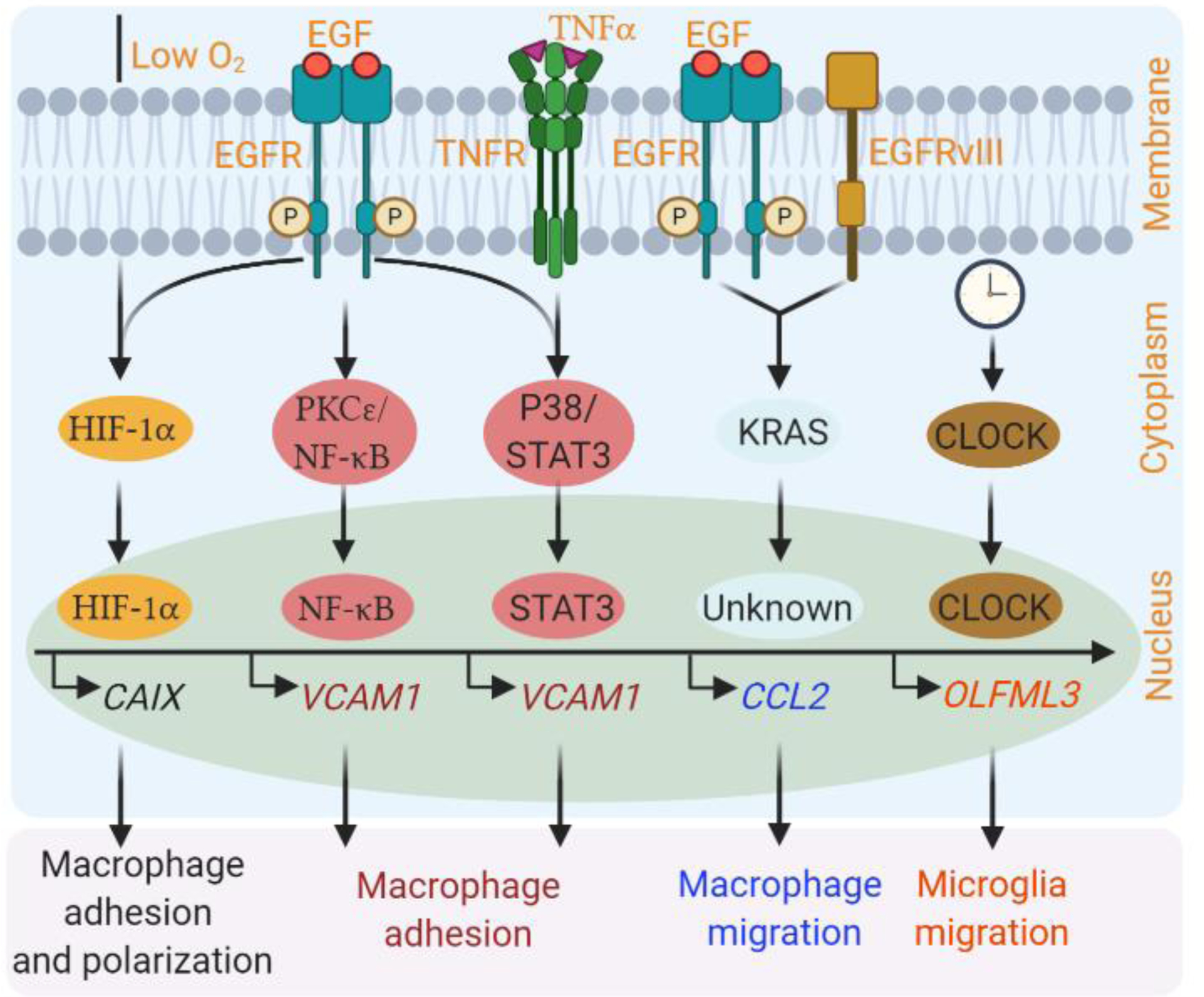
Figure 2.. Activation of oncogenes in GBM cells that affect GAM biology.
Activation of oncogenes (e.g., EGFR and CLOCK) in GBM cells can increase macrophage adhesion, migration and alternative polarization, as well as microglia migration through distinct mechanisms. For example, EGFR is required for hypoxia-induced activation of HIF-1α/CAIX axis in human GBM cells (e.g., U87 and U251), which can promote macrophage adhesion and alternative polarization [42]. In addition, EGFR is essential for EGF-induced activation of the PKCε/NF-κB pathway, and TNFα-induced activation of the P38/STAT3 axis in human and mouse glioma cells, which in turn, upregulate VCAM1 to increase macrophage adhesion [43]. EGFR can cooperate with EGFRvIII to upregulate KRAS, which in turn upregulates CCL2 to recruit macrophages. How CCL2 is regulated by KRAS in human GBM cells is still unknown [44]. CLOCK can transcriptionally upregulate chemokine OLFML3 in GSCs, which in turn recruits microglia into the GBM TME in mouse and human models [48]. This figure was created using  BioRender (https://biorender.com/). CAIX, carbonic anhydrase IX; CCL2, CC chemokine ligand 2; HIF-1α, EGF, Epidermal growth factor; EGFR, EGF receptor; EGFRvIII, EGFR variant III; GAM, glioblastoma-associated macrophage/microglia; GBM, glioblastoma; hypoxia-inducible factor 1-alpha; NF-κB, Nuclear factor kappa B; OLFML3, olfactomedin-like 3; PDX, patient-derived xenograft; PKCε, protein kinase C epsilon type, STAT3, signal transducer and activator of transcription 3; TNFα, tumor necrosis factor alpha; VCAM1, vascular cell adhesion molecule 1.
Figure 3.
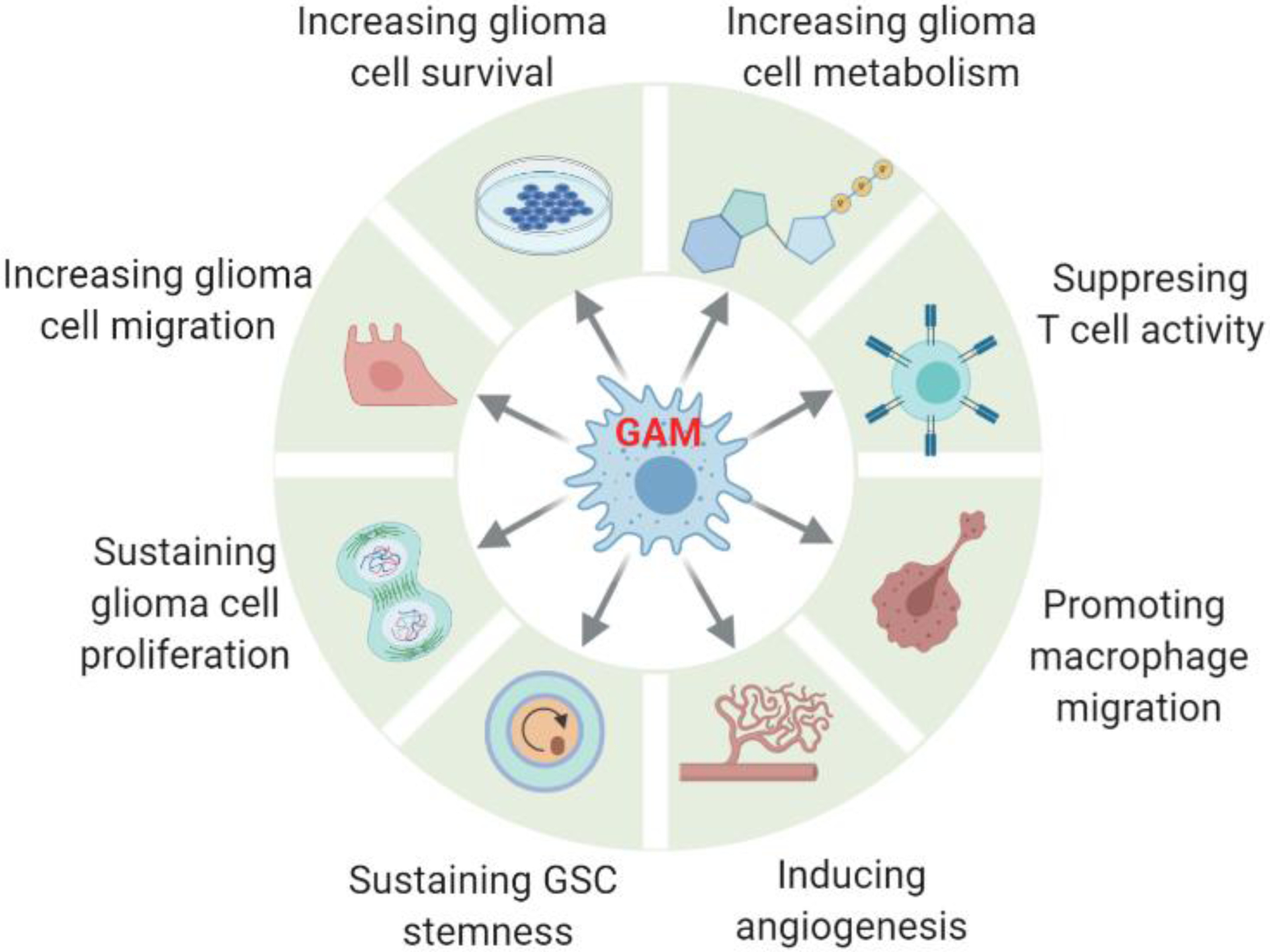
Figure 3.. Impact of glioblastoma-associated macrophages/microglia (GAMs) on glioblastoma (GBM) progression.
Once infiltrated into the GBM tumor, GAMs contribute to GBM progression by promoting glioma stem cell (GSC) stemness, GBM cell proliferation, survival, altered metabolism, and migration, as well as suppressing CD4+ and CD8+ T cell activity, stimulating angiogenesis, and recruiting additional macrophages in mouse and human GBM models. This figure was created using  BioRender (https://biorender.com/).
Figure 4.
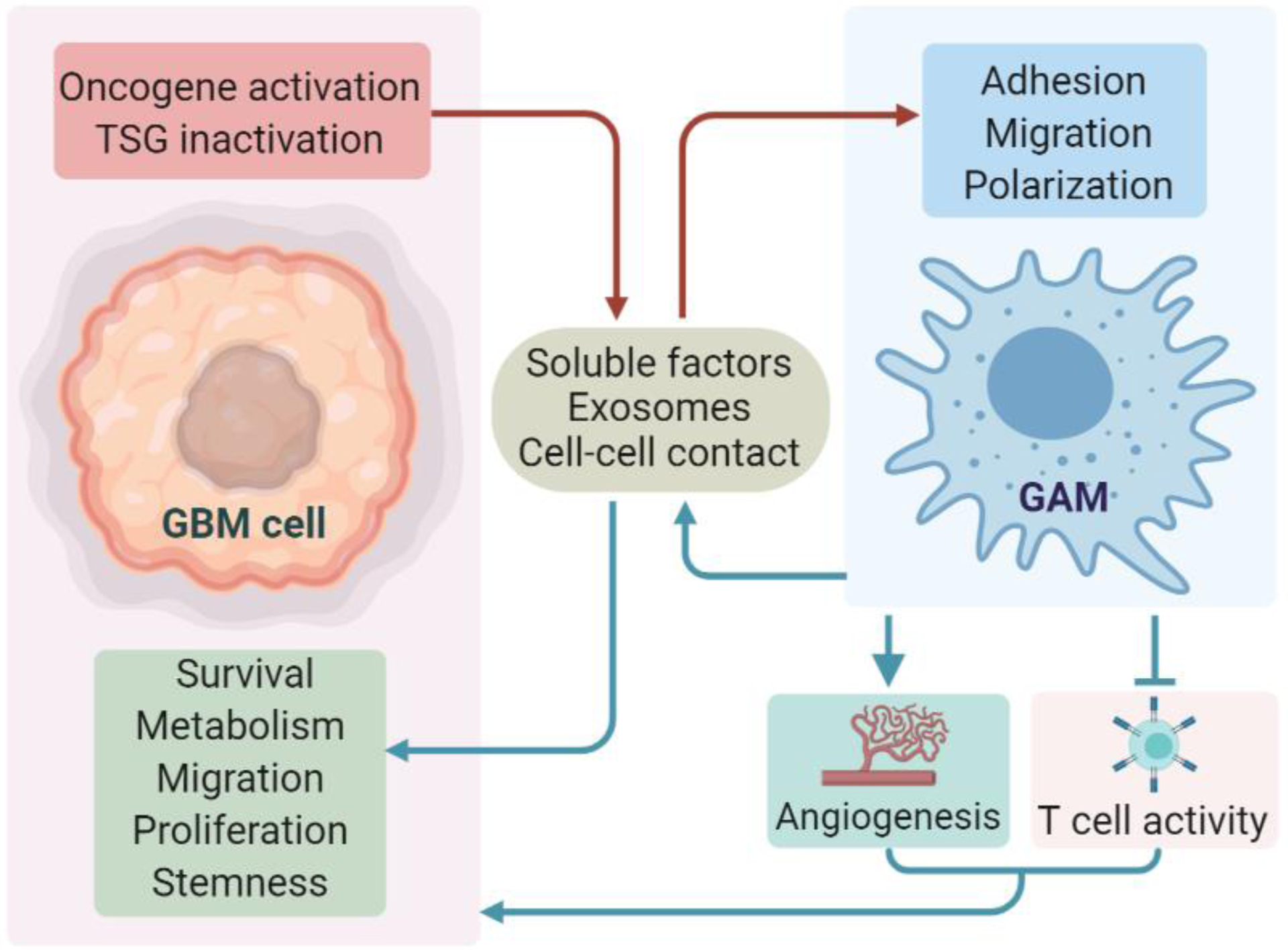
Figure 4.. Context-dependent glioblastoma (GBM)-macrophage/microglia symbiosis.
Inactivation or activation of specific tumor suppressor genes (TSGs) or oncogenes in GBM cells can regulate the adhesion, migration, and polarization of macrophages and microglia via secretion of soluble factors and exosomes, or through a cell-to-cell contact mechanism in mouse and human GBM models. Reciprocally, such glioblastoma-associated macrophages/microglia (GAMs) can promote GBM cell survival, proliferation, metabolism, migration, and self-renewal. GAMs can also promote GBM progression via indirect mechanisms (e.g., stimulating angiogenesis, and suppressing CD8+ and CD4+T cell activity). This figure was created using  BioRender (https://biorender.com/).

References

    1. Wellenstein MD and de Visser KE (2018) Cancer-Cell-Intrinsic Mechanisms Shaping the Tumor Immune Landscape. Immunity 48 (3), 399–416. - PubMed
    1. Geraldo LHM et al. (2019) Glioblastoma Therapy in the Age of Molecular Medicine. Trends Cancer 5 (1), 46–65. - PubMed
    1. Zanders ED et al. (2019) Therapy for glioblastoma: is it working? Drug Discov Today 24 (5), 1193–1201. - PubMed
    1. Dunn GP et al. (2012) Emerging insights into the molecular and cellular basis of glioblastoma. Genes & Development 26 (8), 756–784. - PMC - PubMed
    1. Hambardzumyan D and Bergers G (2015) Glioblastoma: Defining Tumor Niches. Trends Cancer 1 (4), 252–265. - PMC - PubMed

Publication types