


The Behavioral Sequelae of Cannabis Use in Healthy People: A Systematic Review
- PMID: 33664685
- PMCID: PMC7920961
- DOI: 10.3389/fpsyt.2021.630247
The Behavioral Sequelae of Cannabis Use in Healthy People: A Systematic Review
Abstract
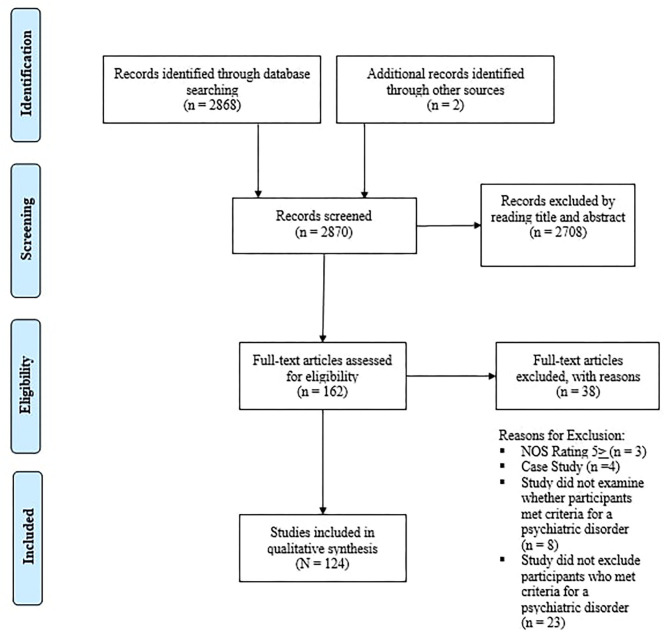
Background: Cannabis is known to have a broad range of effects on behavior, including experiencing a "high" and tranquility/relaxation. However, there are several adverse behavioral sequalae that can arise from cannabis use, depending on frequency of use, potency (e.g., THC content), age of onset, and cumulative exposure. This systematic review examined evidence for cannabis-related adverse behavioral sequalae in otherwise healthy human subjects. Methods: Following PRISMA guidelines, we conducted a systematic review of cross-sectional and longitudinal studies from 1990 to 2020 that identified cannabis-related adverse behavioral outcomes in subjects without psychiatric and medical co-morbidities from PubMed and PsychInfo searches. Key search terms included "cannabis" OR "tetrahydrocannabinol" OR "cannabidiol" OR "marijuana" AND "anxiety" OR "depression" OR "psychosis" OR "schizophrenia" "OR "IQ" OR "memory" OR "attention" OR "impulsivity" OR "cognition" OR "education" OR "occupation". Results: Our search detected a total of 2,870 studies, from which we extracted 124 relevant studies from the literature on cannabis effects in the non-clinical population. Effects of cannabis on several behavioral sequelae including cognition, motivation, impulsivity, mood, anxiety, psychosis intelligence, and psychosocial functioning were identified. The preponderance of the evidence suggests that frequency of cannabis use, THC (but not CBD) content, age of onset, and cumulative cannabis exposure can all contribute to these adverse outcomes in individuals without a pre-existing medical condition or psychiatric disorder. The strongest evidence for the negative effects of cannabis are for psychosis and psychosocial functioning. Conclusions: Although more research is needed to determine risk factors for development of adverse behavioral sequelae of cannabis use, these findings underline the importance of understanding vulnerability to the adverse effects of cannabis, which has implications for prevention and treatment of problematic cannabis use.
Keywords: anxiety; cannabis; cognition; healthy subjects; intelligence; mood; motivation; psychosis.
Copyright © 2021 Sorkhou, Bedder and George.
Conflict of interest statement
The authors declare that the research was conducted in the absence of any commercial or financial relationships that could be construed as a potential conflict of interest.
References
-
- Abuse S, Administration MHS. Key Substance Use and Mental Health Indicators in the United States: Results From the 2016 National Survey on Drug Use and Health (HHS Publication No. SMA 17-5044, NSDUH Series H-52). Substance Abuse and Mental Health Services Administration (2017).
-
- United Nations Office on Drugs and Crime .World Drug Report. Executive Summary. Conclusions and Policy Implications (2018).
-
- MacKay R, Phillips K, Tiedemann M. Bill C-45: An Act Respecting Cannabis and to Amend the Controlled Drugs and Substances Act, the Criminal Code and other Acts. Library of Parliament (2018).
Publication types
LinkOut - more resources
Full Text Sources
