


16p11.2 deletion syndrome
- PMID: 33667823
- PMCID: PMC10256135
- DOI: 10.1016/j.gde.2021.01.011
16p11.2 deletion syndrome
Abstract
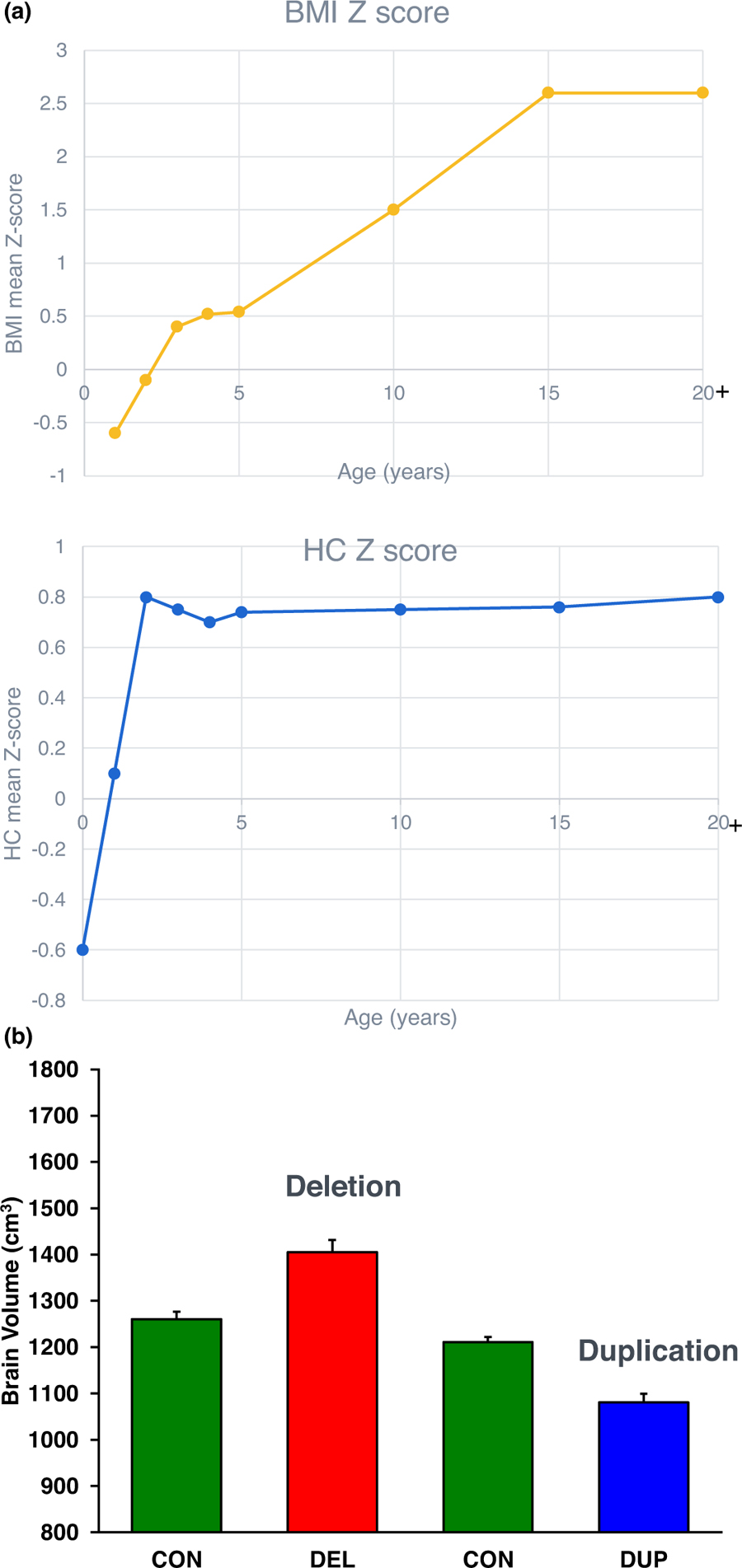
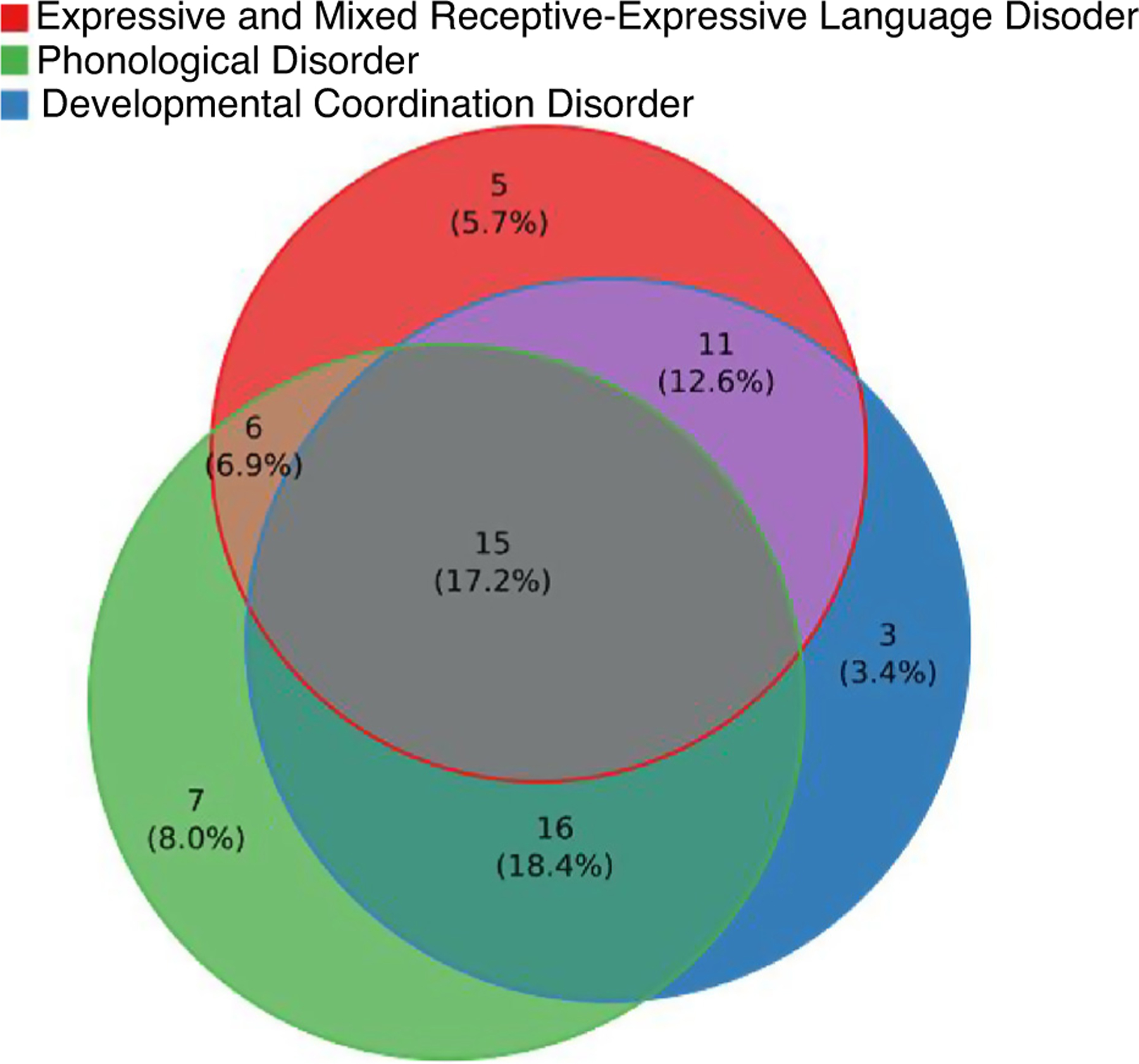
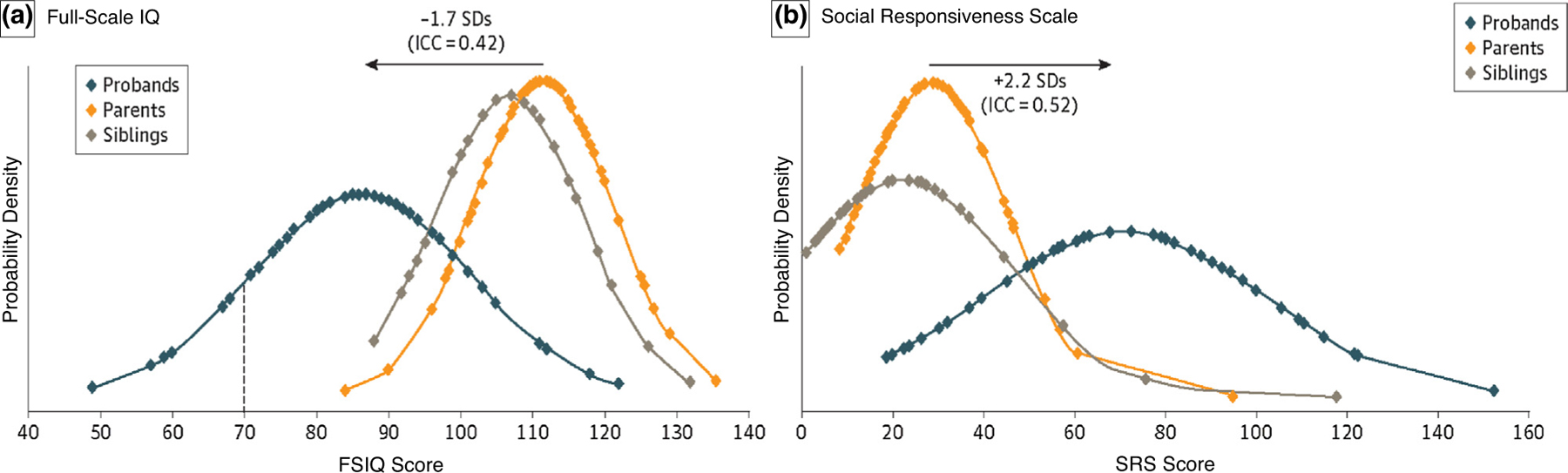
The 16p11.2 BP4 and BP5 region, is a recurrent ∼600kb copy number variant (CNV), and deletions are one of the most frequent etiologies of neurodevelopmental disorders and autism spectrum disorder with an incidence of approximately 1/2000. Deletion carriers have delays in early neurodevelopment that most specifically impair speech, phonology and language in 70%. Intelligence quotient is shifted 1.8 standard deviations lower than family controls without the deletion. Other common neurobehavioral conditions include motor coordination difficulties (60%) and autism (20-25%). Unprovoked seizures are common (24%) and readily treated and resolve with age in many. Obesity evolves throughout childhood and by adulthood 75% are obese. Congenital anomalies are more common than the general population. The deletion is associated with an increase in brain volumes across all areas of the brain, changes in the white matter microstructural properties, and early electrophysiological cortical responses from auditory cortex. Studies of genetically defined conditions, particularly CNVs that are not associated with profound disabilities, provide homogeneity to study genetic impact on brain development, structure, and function to better understand complex neurobehavioral phenotypes such as autism.
Copyright © 2021 Elsevier Ltd. All rights reserved.
Conflict of interest statement
Conflict of interest statement
TR declares equity positions in Prism Clinical Imaging and Proteus Neurodynamics. He also declares consulting/advisory board relationships with CTF, Ricoh, Spago Nanomedicine, Avexis and Acadia Pharmaceuticals.
LGS and JES are employees of the Simons Foundation.
Figures
References
-
- Walsh KM, Bracken MB: Copy number variation in the dosage-sensitive 16p11.2 interval accounts for only a small proportion of autism incidence: a systematic review and meta-analysis. Genet Med 2011, 13:377–384. - PubMed
-
- Kumar RA, KaraMohamed S, Sudi J, Conrad DF, Brune C, Badner JA, Gilliam TC, Nowak NJ, Cook EH Jr, Dobyns WB, Christian SL: Recurrent 16p11.2 microdeletions in autism. Hum Mol Genet 2008, 17:628–638. - PubMed
Publication types
MeSH terms
Supplementary concepts
Grants and funding
LinkOut - more resources
Full Text Sources
Other Literature Sources
Molecular Biology Databases
