


Plant Allelochemicals as Sources of Insecticides
- PMID: 33668349
- PMCID: PMC7996276
- DOI: 10.3390/insects12030189
Plant Allelochemicals as Sources of Insecticides
Abstract
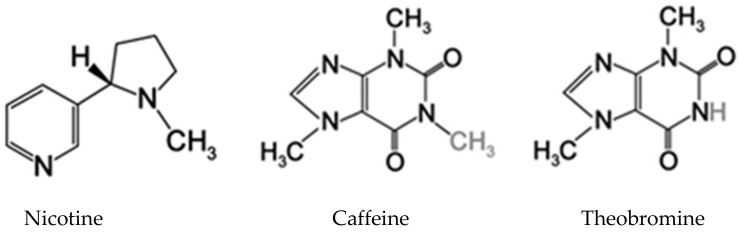
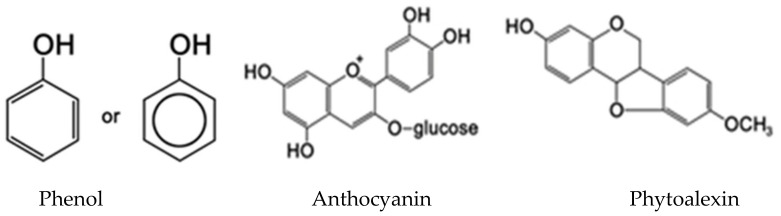
In this review, we describe the role of plant-derived biochemicals that are toxic to insect pests. Biotic stress in plants caused by insect pests is one of the most significant problems, leading to yield losses. Synthetic pesticides still play a significant role in crop protection. However, the environmental side effects and health issues caused by the overuse or inappropriate application of synthetic pesticides forced authorities to ban some problematic ones. Consequently, there is a strong necessity for novel and alternative insect pest control methods. An interesting source of ecological pesticides are biocidal compounds, naturally occurring in plants as allelochemicals (secondary metabolites), helping plants to resist, tolerate or compensate the stress caused by insect pests. The abovementioned bioactive natural products are the first line of defense in plants against insect herbivores. The large group of secondary plant metabolites, including alkaloids, saponins, phenols and terpenes, are the most promising compounds in the management of insect pests. Secondary metabolites offer sustainable pest control, therefore we can conclude that certain plant species provide numerous promising possibilities for discovering novel and ecologically friendly methods for the control of numerous insect pests.
Keywords: allelochemicals; insect herbivores; natural compounds; pesticides; plant defense.
Conflict of interest statement
The authors declare no conflict of interest.
Figures
References
Publication types
LinkOut - more resources
Full Text Sources
Other Literature Sources
