Review
. 2021 Feb 21;13(4):900.
doi: 10.3390/cancers13040900.

Brain Metastases from Colorectal Cancer: A Systematic Review of the Literature and Meta-Analysis to Establish a Guideline for Daily Treatment

Affiliations
Review

Brain Metastases from Colorectal Cancer: A Systematic Review of the Literature and Meta-Analysis to Establish a Guideline for Daily Treatment

Sophie Müller et al. Cancers (Basel). .

Abstract

Colorectal cancer (CRC) is the third most common malignancy worldwide. Most patients with metastatic CRC develop liver or lung metastases, while a minority suffer from brain metastases. There is little information available regarding the presentation, treatment, and overall survival of brain metastases (BM) from CRC. This systematic review and meta-analysis includes data collected from three major databases (PubMed, Cochrane, and Embase) based on the key words "brain", "metastas*", "tumor", "colorectal", "cancer", and "malignancy". In total, 1318 articles were identified in the search and 86 studies matched the inclusion criteria. The incidence of BM varied between 0.1% and 11.5%. Most patients developed metastases at other sites prior to developing BM. Lung metastases and KRAS mutations were described as risk factors for additional BM. Patients with BM suffered from various symptoms, but up to 96.8% of BM patients were asymptomatic at the time of BM diagnosis. Median survival time ranged from 2 to 9.6 months, and overall survival (OS) increased up to 41.1 months in patients on a multimodal therapy regimen. Several factors including age, blood levels of carcinoembryonic antigen (CEA), multiple metastases sites, number of brain lesions, and presence of the KRAS mutation were predictors of OS. For BM diagnosis, MRI was considered to be state of the art. Treatment consisted of a combination of surgery, radiation, or systemic treatment.

Keywords: BM; CRC; brain metastases; cerebral metastases; colorectal cancer; meta-analysis; systematic review.


Conflict of interest statement

The authors declare no conflict of interest.

Figures
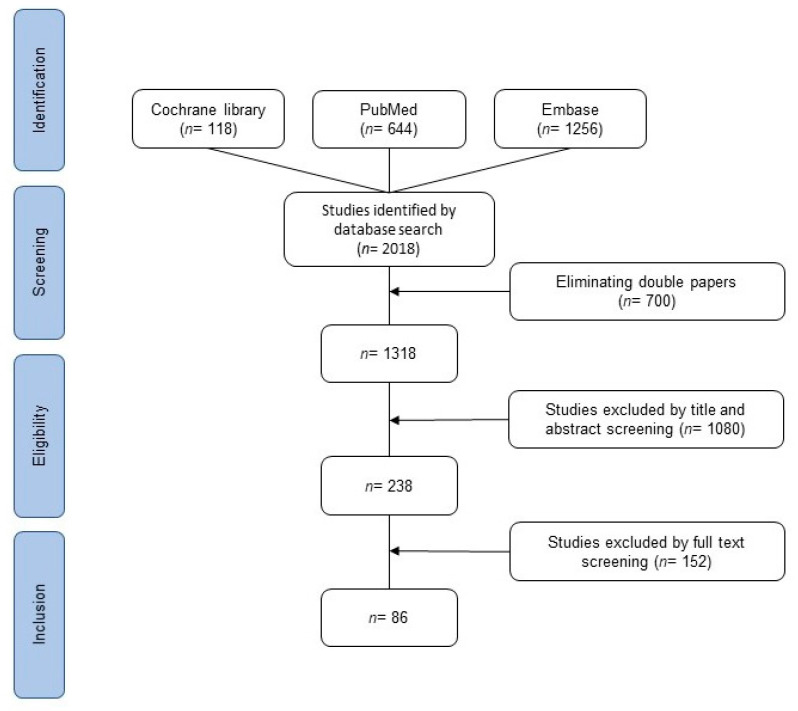
Figure 1
Figure 1
PRISMA flowchart of the search strategy.
Figure 2
Figure 2
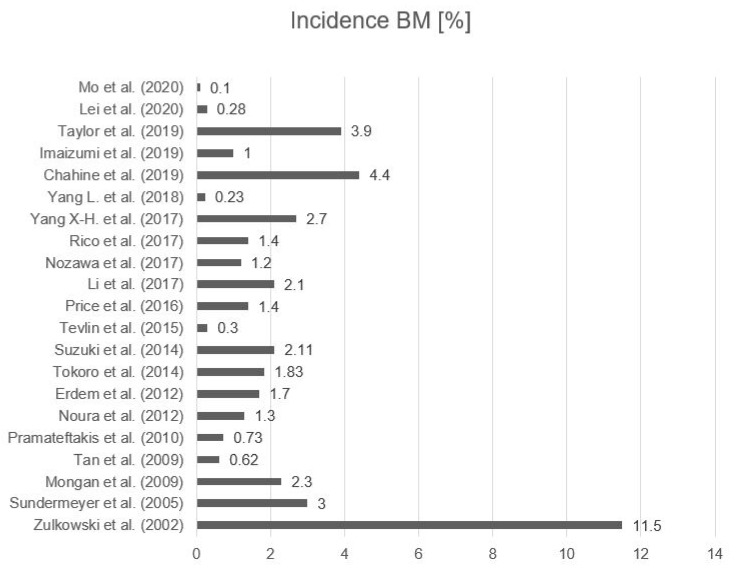
Incidence of BM (%) in all patients suffering from colorectal cancer (CRC) [7,8,9,10,11,12,13,14,15,16,17,18,19,20,21,22,23,24,25,26,27]. The overall average incidence of BM in CRC patients was 2.10% (95% confidence interval (CI) 0.98–3.22).
Figure 3
Figure 3
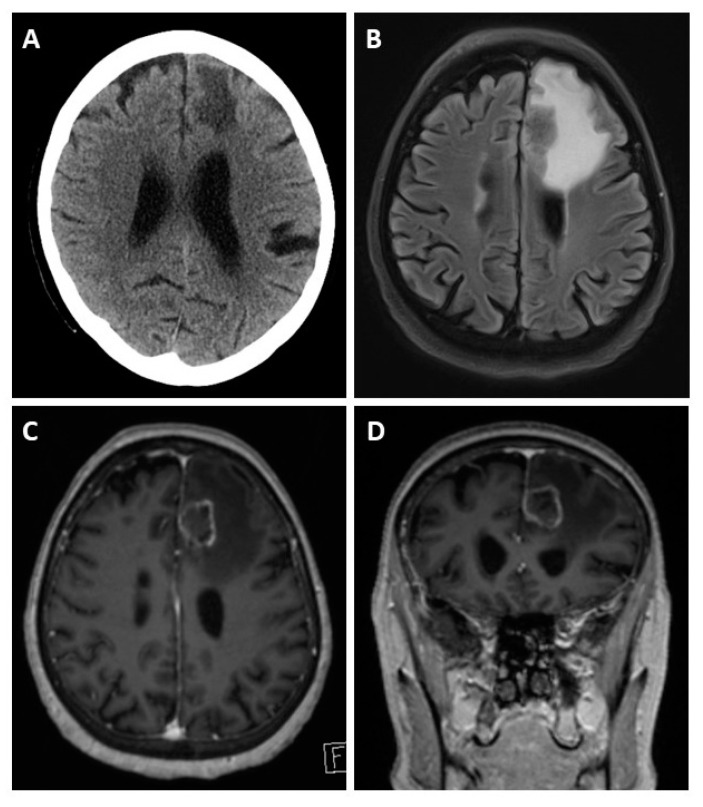
Cerebral CT and MRI scans of a patient with BM, a 62-year-old patient presenting with left frontal edema in computed tomography (A). The MRI scan reveals the actual extent of the edema in the fluid-attenuated inversion recovery (FLAIR) sequence (B). T1-weighted gadolinium post-contrast images in the axial (C) and coronal (D) orientation reveal causative left-frontal CRC metastasis.
Figure 4
Figure 4
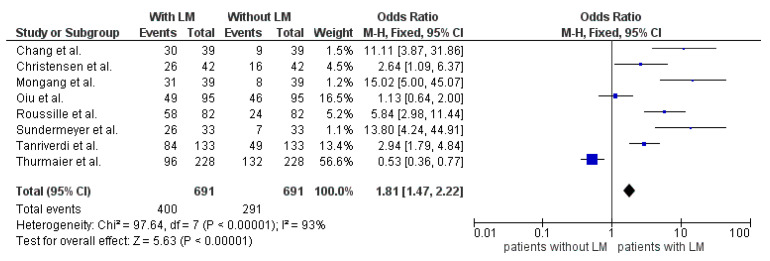
Forest plot comparison of BM patients with LM and without LM.
Figure 5
Figure 5
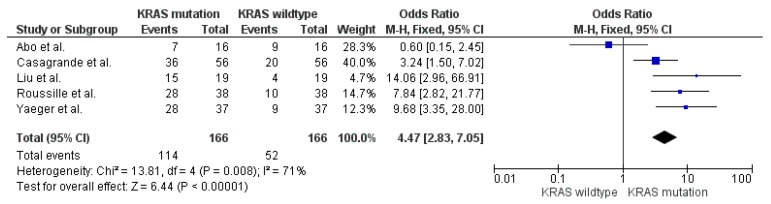
Forest plot comparison of BM patients with KRAS mutation and KRAS wild-type.
Figure 6
Figure 6
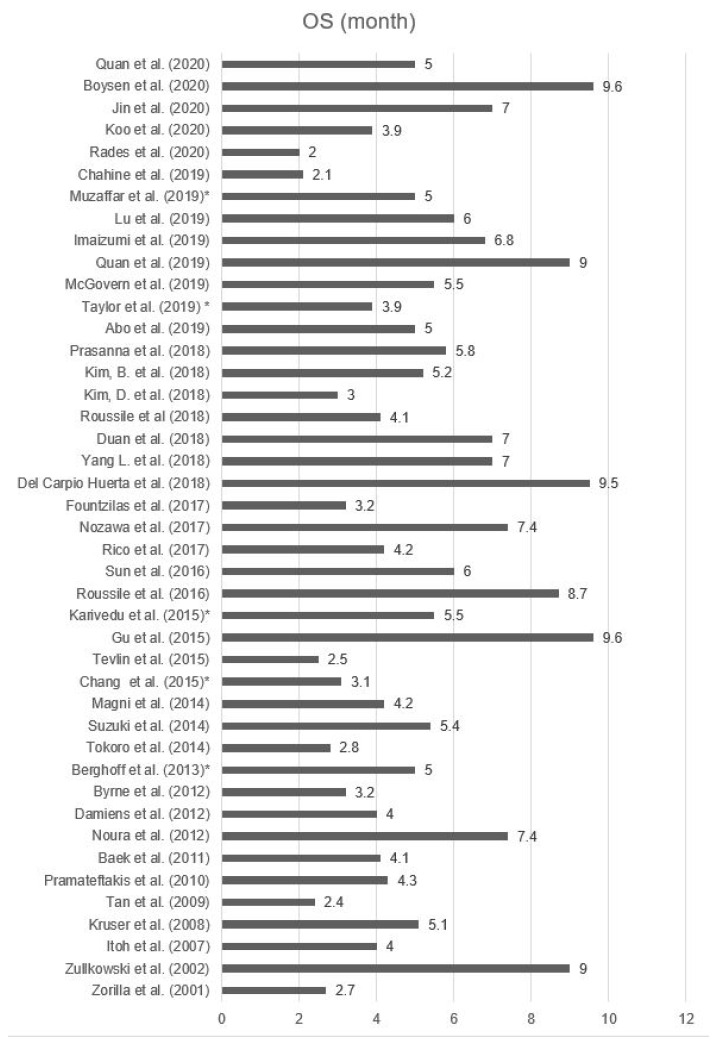
OS of patients with BM [9,10,11,12,14,18,20,23,24,25,26,27,29,34,45,46,53,54,55,56,57,58,59,60,61,62,63,64,65,66,67,68,69,70,71,72,73,74,75,76,77,78]. * only the abstract was available.
Figure 7
Figure 7
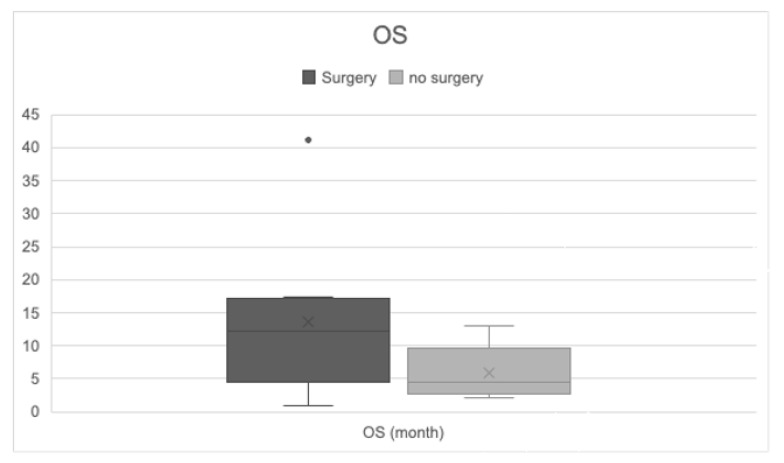
OS in patients with and without surgical intervention. Comparison of OS in patients with neurosurgery and without neurosurgery—median OS: surgery 11.69 months (95%CI 8.50–14.87); no surgery 5.28 months (95%CI 3.76–6.80). t-test p = 0.001.
Figure 8
Figure 8
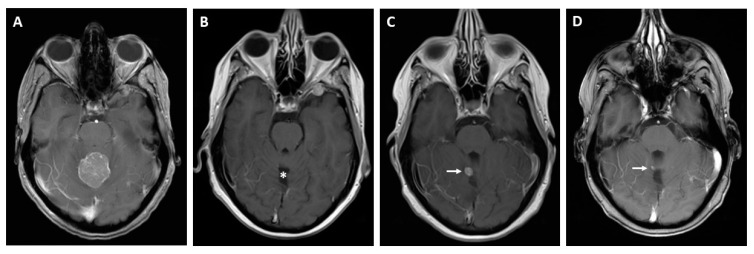
MRI scan before and after neurosurgery in a 46-year-old patient with a large histologically proven CRC metastasis in the vermis, prior to (A) and after neurosurgery (B) (asterisk: resection defect). Recurrence of a small local tumorous lesion (C) (arrow) 12 months later. Significantly declining tumor nodule after chemotherapy (D) (arrow).
Figure 9
Figure 9
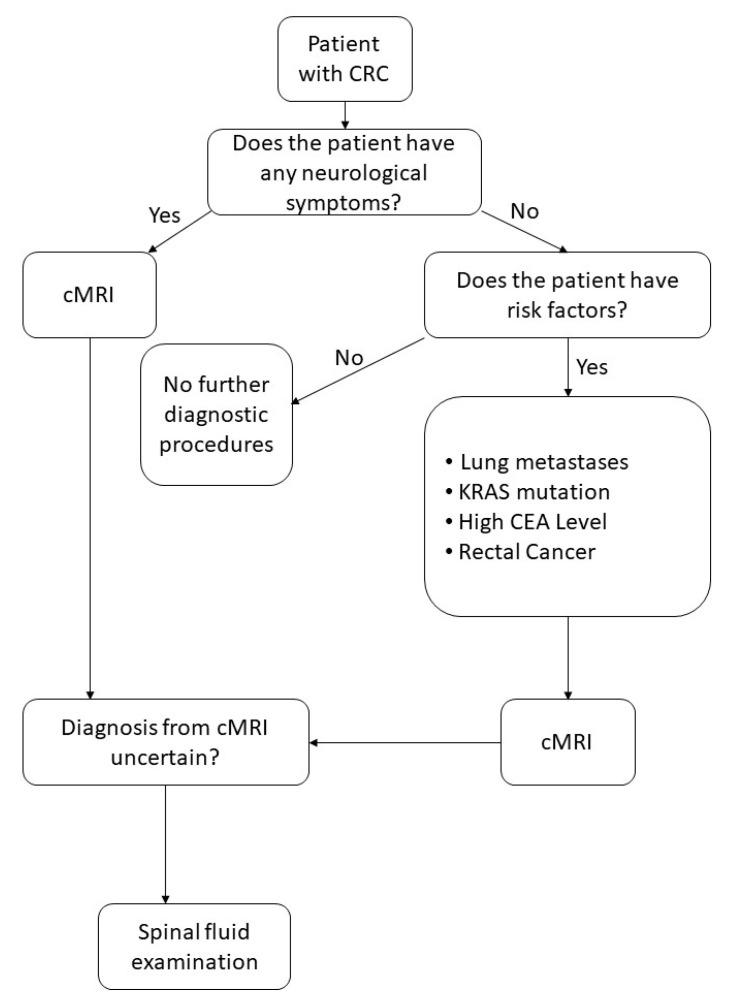
Assessment of screening for BM. (cMRI: cranial Magnetic resonance imaging)
Figure 10
Figure 10
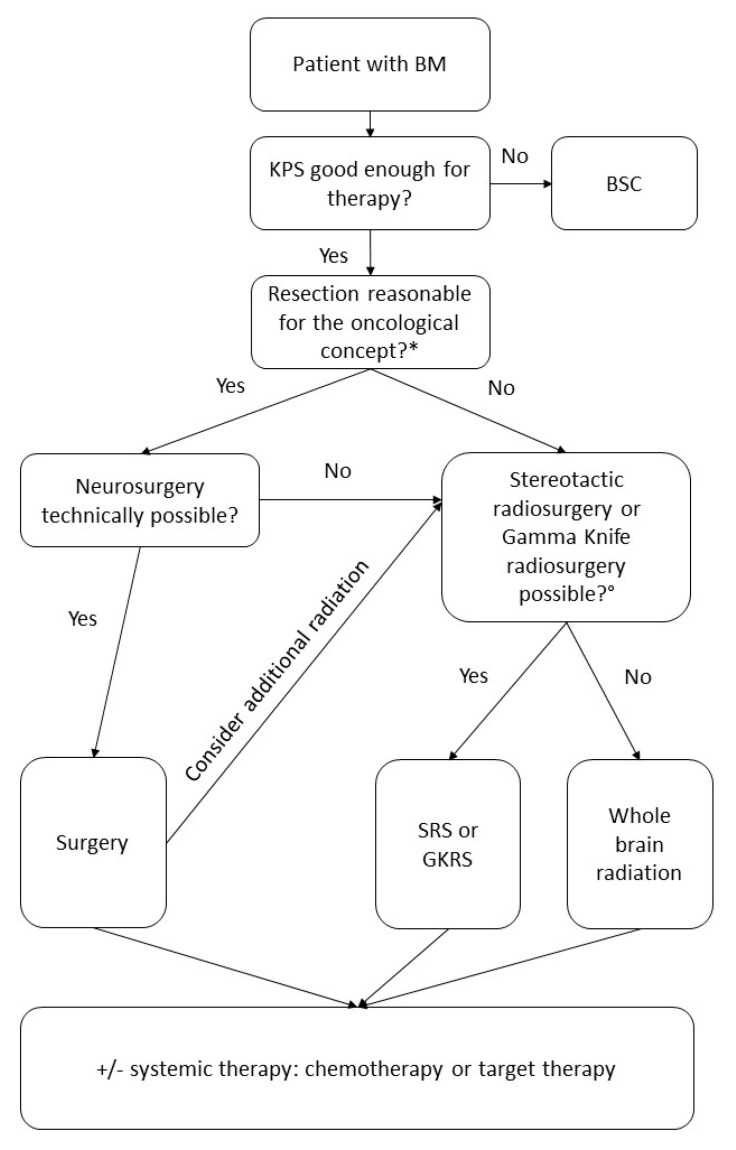
Assessment of therapy algorithm. BSC: best supportive care; SRS: stereotactic radiosurgery; GKRS: gamma knife radiosurgery; WBRT: whole-brain radiation. * Evaluate if neurosurgical resection is reasonable for the oncological therapeutic regime. The indication should be defined by an experienced neurosurgeon considering the size, number, and location of the metastases as well as symptomatology. ° The indication for SRS or GKRS should be considered individually for every patient. The DEGRO (Deutsche Gesellschafts für Radioonkologie) guidelines recommend SRS for a single BM <3 cm or 2–4 BM <2.5 cm for patients with life expectancy >3 months [109]. Lee et al. and Yamamoto et al. described how SRS for patients with up to 15 BM dependent on their position and size was associated with survival benefit and reduced risk of neurocognitive deterioration as compared to WBRT [110,111].

References

    1. World Health Organization Cancer Today; Number of Incident Cases and Deaths Worldwide. [(accessed on 5 January 2021)]; Available online: https://gco.iarc.fr/today/online-analysis-multi-bars?v=2018&mode=cancer&....
    1. Robert Koch Institute . Cancer in Germany 2015/2016—Colon and Rectum. Robert Koch Institute; Berlin, Germany: 2016.
    1. World Health Organization Cancer Today; Fact Sheet Colorectal. [(accessed on 5 January 2021)]; Available online: https://gco.iarc.fr/today/data/factsheets/cancers/10_8_9-Colorectum-fact....
    1. World Health Organization Cancer Survival. [(accessed on 5 January 2021)]; Available online: https://gco.iarc.fr/survival/survmark/visualizations/viz8/?cancer=%22Col....
    1. Van Cutsem E., Cervantes A., Nordlinger B., Arnold D. Metastatic colorectal cancer: ESMO Clinical Practice Guidelines for diagnosis, treatment and follow-up. Ann. Oncol. 2014;25(Suppl. 3):iii1–iii9. doi: 10.1093/annonc/mdu260. - DOI - PubMed

LinkOut - more resources