


Oxidative Stress, Plant Natural Antioxidants, and Obesity
- PMID: 33670130
- PMCID: PMC7916866
- DOI: 10.3390/ijms22041786
Oxidative Stress, Plant Natural Antioxidants, and Obesity
Abstract
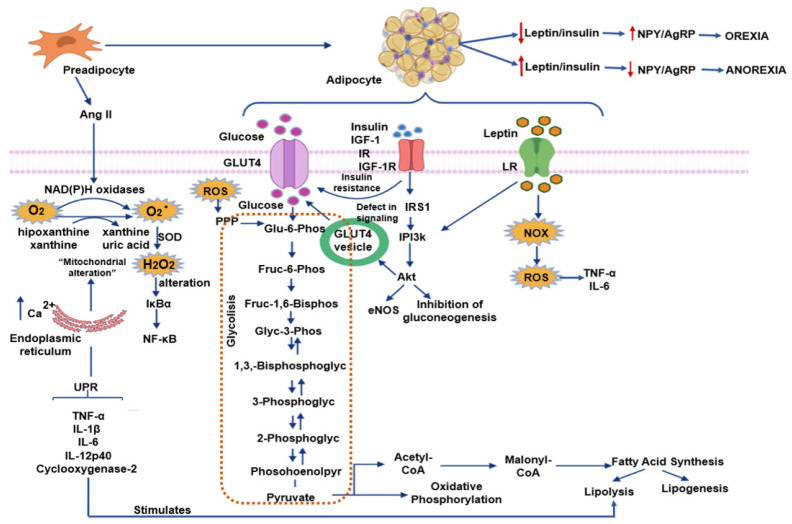
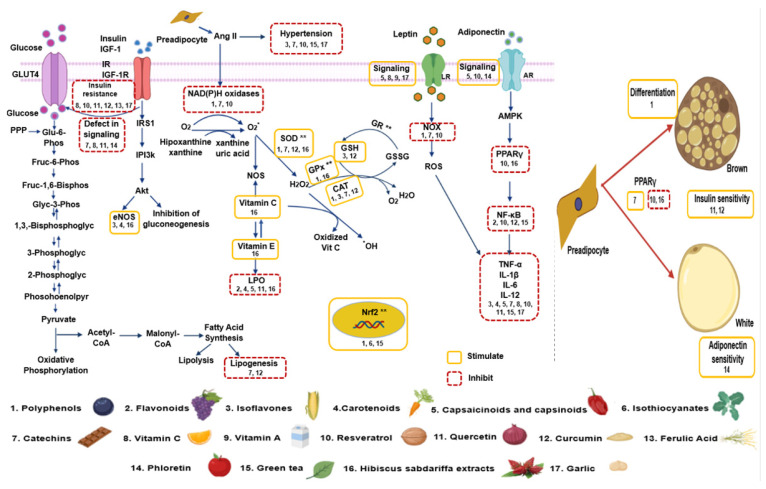
Oxidative stress is important in the pathophysiology of obesity, altering regulatory factors of mitochondrial activity, modifying the concentration of inflammation mediators associated with a large number and size of adipocytes, promoting lipogenesis, stimulating differentiation of preadipocytes to mature adipocytes, and regulating the energy balance in hypothalamic neurons that control appetite. This review discusses the participation of oxidative stress in obesity and the important groups of compounds found in plants with antioxidant properties, which include (a) polyphenols such as phenolic acids, stilbenes, flavonoids (flavonols, flavanols, anthocyanins, flavanones, flavones, flavanonols, and isoflavones), and curcuminoids (b) carotenoids, (c) capsaicinoids and casinoids, (d) isothiocyanates, (e) catechins, and (f) vitamins. Examples are analyzed, such as resveratrol, quercetin, curcumin, ferulic acid, phloretin, green tea, Hibiscus Sabdariffa, and garlic. The antioxidant activities of these compounds depend on their activities as reactive oxygen species (ROS) scavengers and on their capacity to prevent the activation of NF-κB (nuclear factor κ-light-chain-enhancer of activated B cells), and reduce the expression of target genes, including those participating in inflammation. We conclude that natural compounds have therapeutic potential for diseases mediated by oxidative stress, particularly obesity. Controlled and well-designed clinical trials are still necessary to better know the effects of these compounds.
Keywords: antioxidants; natural products; obesity; oxidative stress.
Conflict of interest statement
We declare we do not have any conflict of interest.
Figures
References
-
- Zielińska-Bliźniewska H., Sitarek P., Merecz-Sadowska A., Malinowska K., Zajdel K., Jabłońska M.R., Śliwiński T., Zajdel R. Plant Extracts and Reactive Oxygen Species as Two Counteracting Agents with Anti- and Pro-Obesity Properties. Int. J. Mol. Sci. 2019;20:4556. doi: 10.3390/ijms20184556. - DOI - PMC - PubMed
Publication types
MeSH terms
Substances
Grants and funding
LinkOut - more resources
Full Text Sources
Other Literature Sources
Medical
