


The Effect of Balsamic Vinegar Dressing on Protein and Carbohydrate Digestibility is Dependent on the Food Matrix
- PMID: 33673211
- PMCID: PMC7917894
- DOI: 10.3390/foods10020411
The Effect of Balsamic Vinegar Dressing on Protein and Carbohydrate Digestibility is Dependent on the Food Matrix
Abstract
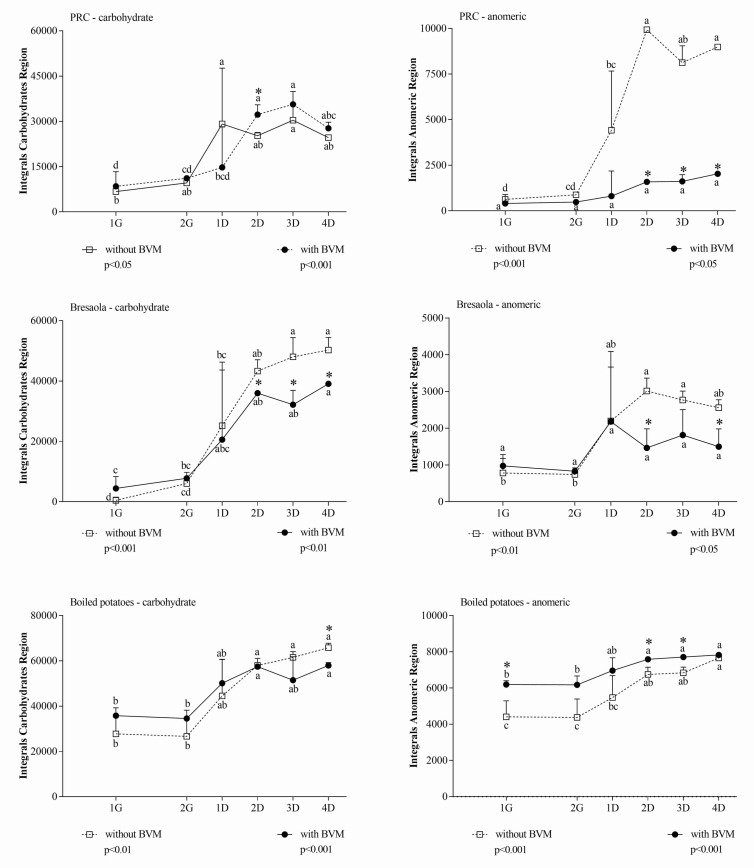
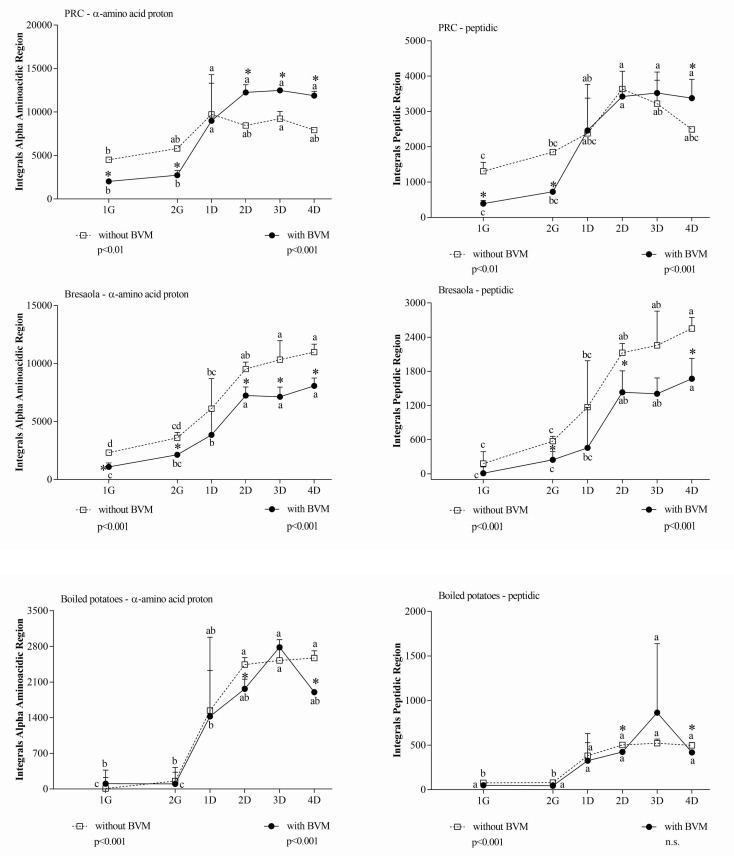
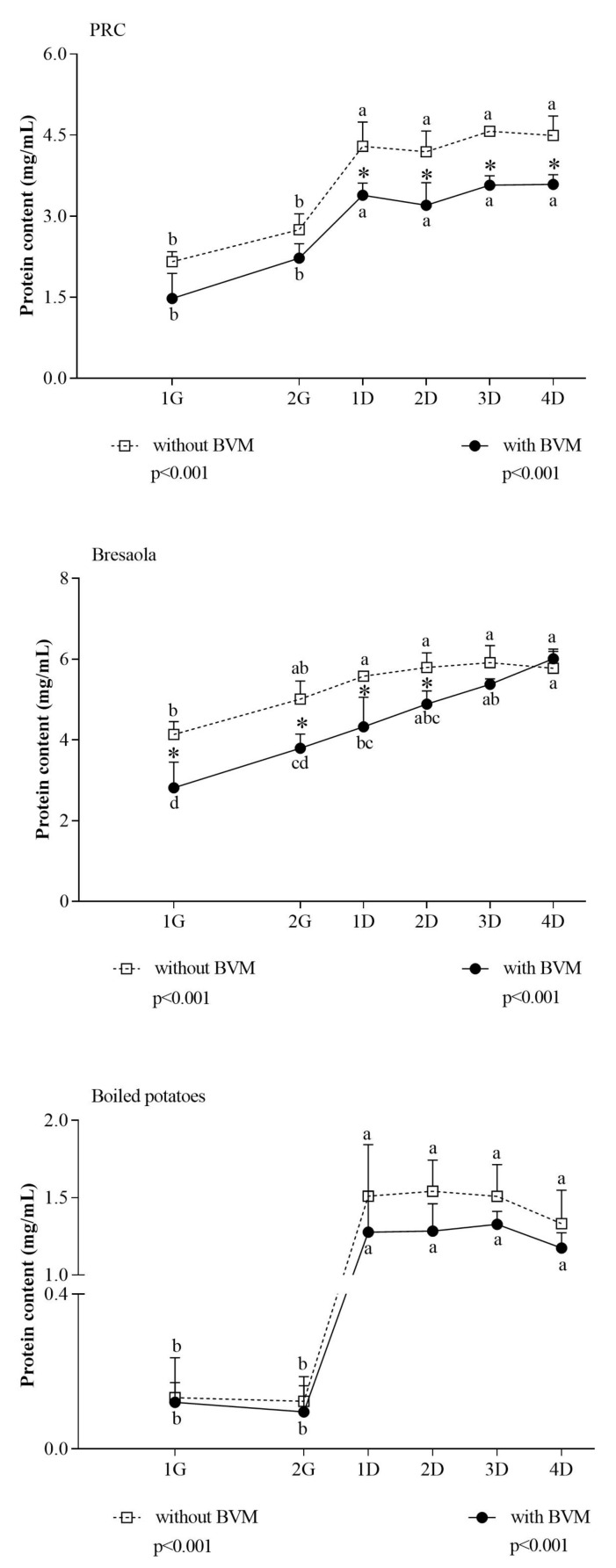
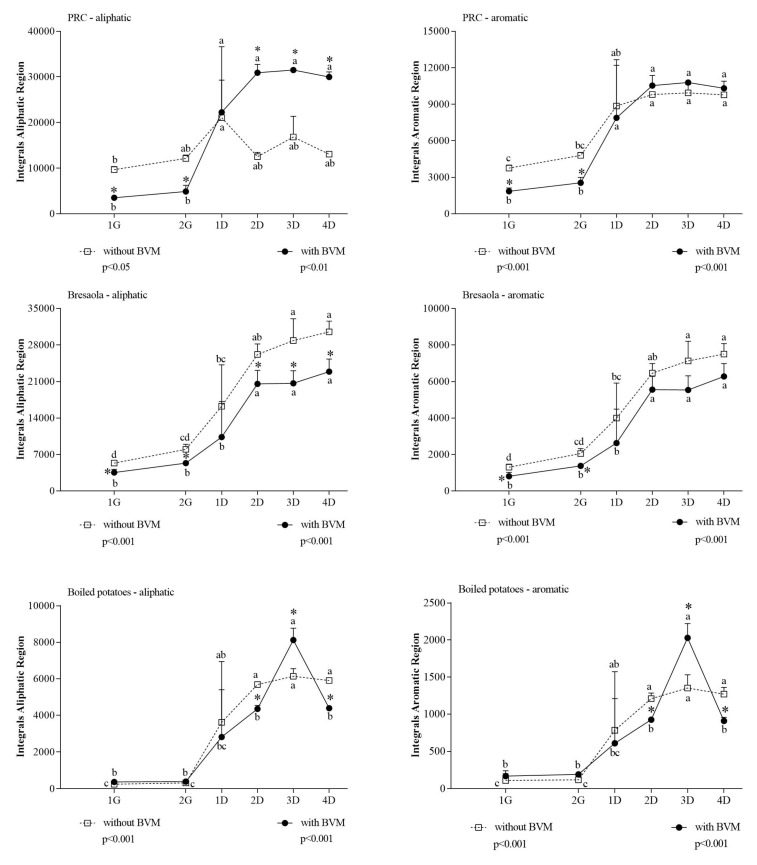
The balsamic vinegar of Modena (BVM), a food specialty under the European Protected Geographical Indication system, is made from grape must blended with wine vinegar exclusively in the Italian province of Modena or Reggio Emilia. Vinegar is associated to an improved digestive function and glycemic response to carbohydrate-rich meals, appetite stimulation, and reduction of hyperlipidemia and obesity. Although many of these effects are attributed to the high concentration of bioactive molecules, the modulation of digestive enzymes activity could have a role. The aim of this study was to investigate the effect of BVM on the digestibility and component release of three foods that are often seasoned with this dressing but have different composition: Parmigiano Reggiano cheese, Bresaola (cured meat), and boiled potatoes. BVM modulated the protein digestion of protein-rich foods (cheese and cured meat) in a matrix-dependent manner, and the BVM effect was mainly related to the inhibition of pepsin in the gastric phase. In the starch-rich food (boiled potatoes), the most impressive effect of BVM was the lower release of anomeric and total carbohydrates, which was consistent with the observed reduction of pancreatic amylase activity. The present investigation shed a new light on the impact of BVM on the digestion process.
Keywords: NMR spectroscopy; acetic acid; balsamic vinegar of Modena; bioaccessibility; carbohydrate digestibility; foodomics; in vitro digestion; protein digestibility; vinegar.
Conflict of interest statement
The authors declare no conflict of interest. The funders had no role in the design of the study; in the collection, analyses, or interpretation of data; in the writing of the manuscript, or in the decision to publish the results.
Figures
References
-
- Jenzer H., Büsser S., Sadeghi L. Essentials of Bioaccessibility and Bioavailability for Applied Nutritional Practices. J. Mol. Biomark. Diagn. 2016;7:307–309. doi: 10.4172/2155-9929.1000307. - DOI
-
- Gonçalves J., Ramos R., Luís Â., Rocha S., Rosado T., Gallardo E., Duarte A.P. Assessment of the Bioaccessibility and Bioavailability of the Phenolic Compounds of Prunus avium L. by in Vitro Digestion and Cell Model. ACS Omega. 2019;4:7605–7613. doi: 10.1021/acsomega.8b03499. - DOI
LinkOut - more resources
Full Text Sources
Other Literature Sources
