


Oxidative Stress Evaluation in Ischemia Reperfusion Models: Characteristics, Limits and Perspectives
- PMID: 33673423
- PMCID: PMC7956779
- DOI: 10.3390/ijms22052366
Oxidative Stress Evaluation in Ischemia Reperfusion Models: Characteristics, Limits and Perspectives
Abstract
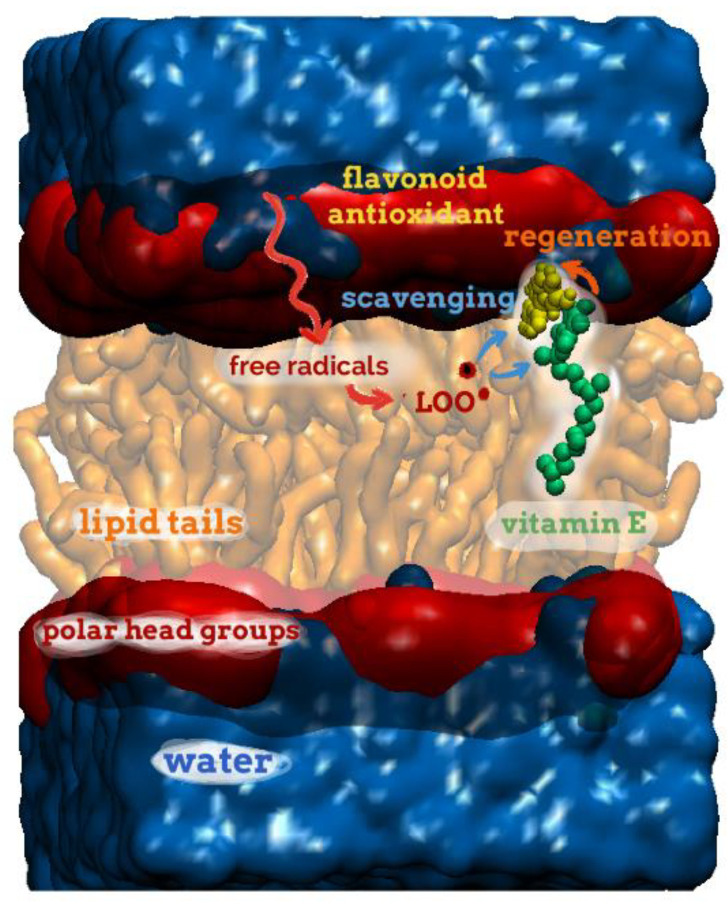
Ischemia reperfusion injury is a complex process consisting of a seemingly chaotic but actually organized and compartmentalized shutdown of cell function, of which oxidative stress is a key component. Studying oxidative stress, which results in an imbalance between reactive oxygen species (ROS) production and antioxidant defense activity, is a multi-faceted issue, particularly considering the double function of ROS, assuming roles as physiological intracellular signals and as mediators of cellular component damage. Herein, we propose a comprehensive overview of the tools available to explore oxidative stress, particularly in the study of ischemia reperfusion. Applying chemistry as well as biology, we present the different models currently developed to study oxidative stress, spanning the vitro and the silico, discussing the advantages and the drawbacks of each set-up, including the issues relating to the use of in vitro hypoxia as a surrogate for ischemia. Having identified the limitations of historical models, we shall study new paradigms, including the use of stem cell-derived organoids, as a bridge between the in vitro and the in vivo comprising 3D intercellular interactions in vivo and versatile pathway investigations in vitro. We shall conclude this review by distancing ourselves from "wet" biology and reviewing the in silico, computer-based, mathematical modeling, and numerical simulation options: (a) molecular modeling with quantum chemistry and molecular dynamic algorithms, which facilitates the study of molecule-to-molecule interactions, and the integration of a compound in a dynamic environment (the plasma membrane...); (b) integrative systemic models, which can include many facets of complex mechanisms such as oxidative stress or ischemia reperfusion and help to formulate integrated predictions and to enhance understanding of dynamic interaction between pathways.
Keywords: ROS; animal models; antioxidant factors; ischemia-reperfusion injury; molecular modeling models; organoids; oxidative stress.
Conflict of interest statement
The authors declare no conflict of interest.
Figures
References
-
- Cortese-Krott M.M., Koning A., Kuhnle G.G.C., Nagy P., Bianco C.L., Pasch A., Wink D.A., Fukuto J.M., Jackson A.A., Van Goor H., et al. The Reactive Species Interactome: Evolutionary Emergence, Biological Significance, and Opportunities for Redox Metabolomics and Personalized Medicine. Antioxid. Redox Signal. 2017;27:684–712. doi: 10.1089/ars.2017.7083. - DOI - PMC - PubMed
Publication types
MeSH terms
Substances
LinkOut - more resources
Full Text Sources
Other Literature Sources
