


Impact of the Brush Day & Night Programme on Well-Being, Plaque, and Dental Caries in Children
- PMID: 33678399
- PMCID: PMC9275125
- DOI: 10.1016/j.identj.2021.01.018
Impact of the Brush Day & Night Programme on Well-Being, Plaque, and Dental Caries in Children
Abstract
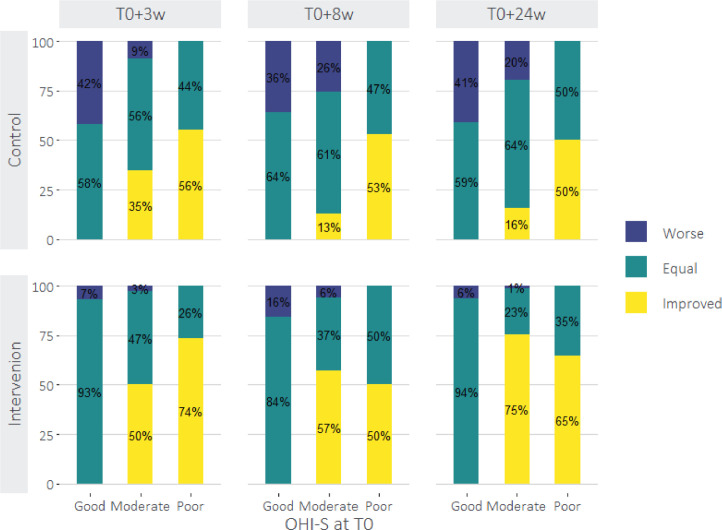
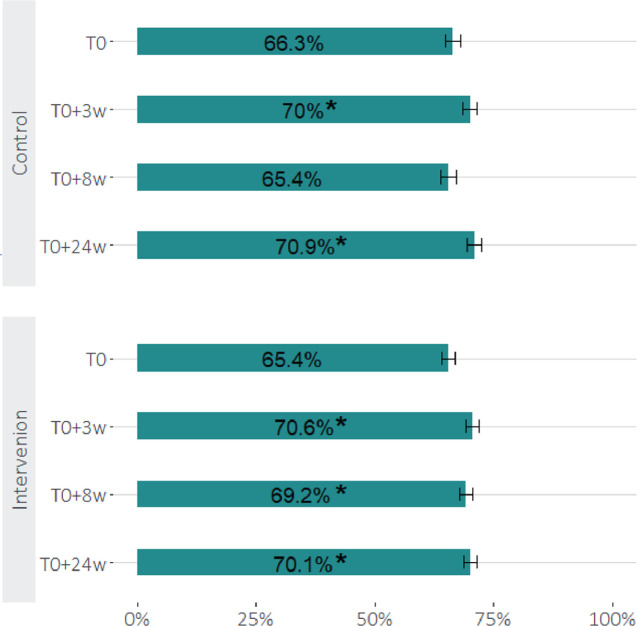
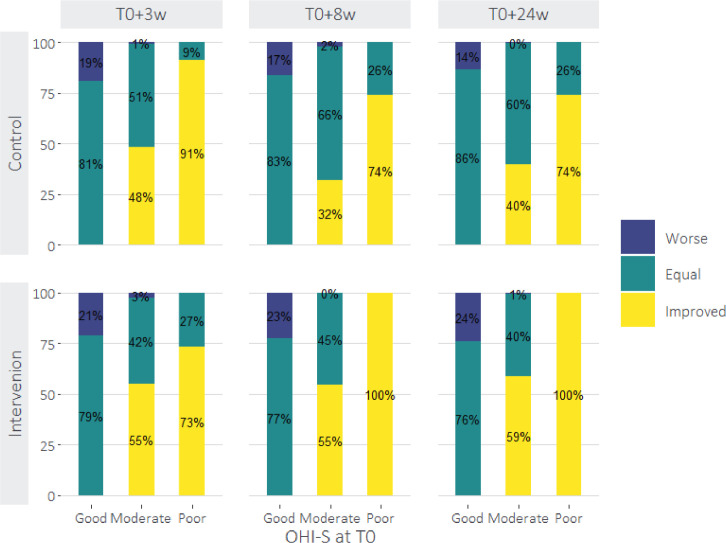
Objectives: Poor oral hygiene can have an adverse effect on quality of life. School-based interventions can establish positive behaviours that reduce the likelihood of dental caries later in life. The Brush Day & Night programme aims to encourage good oral health behaviour and improve oral health and quality-of-life outcomes. In this article, we report the effect of the programme on well-being and oral hygiene measured by plaque levels at 3, 8, and 24 weeks and dental caries at 24 weeks after programme start date.
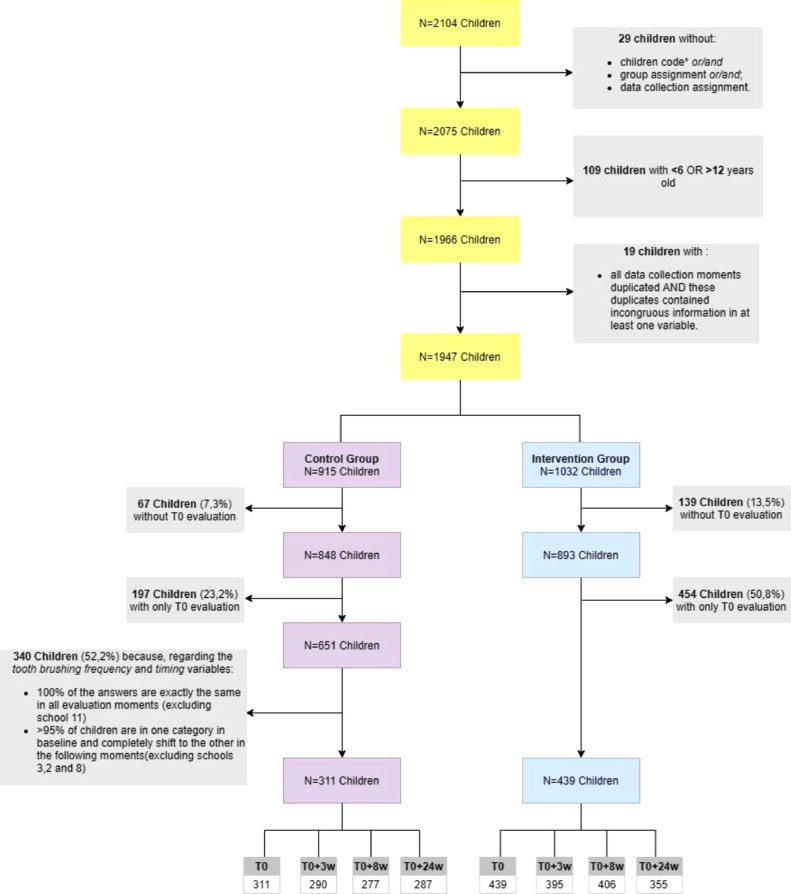
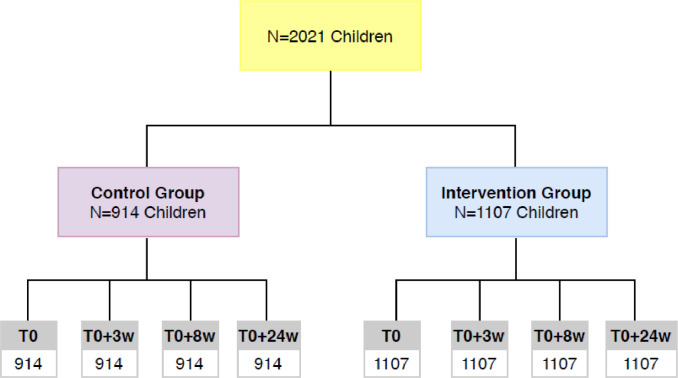
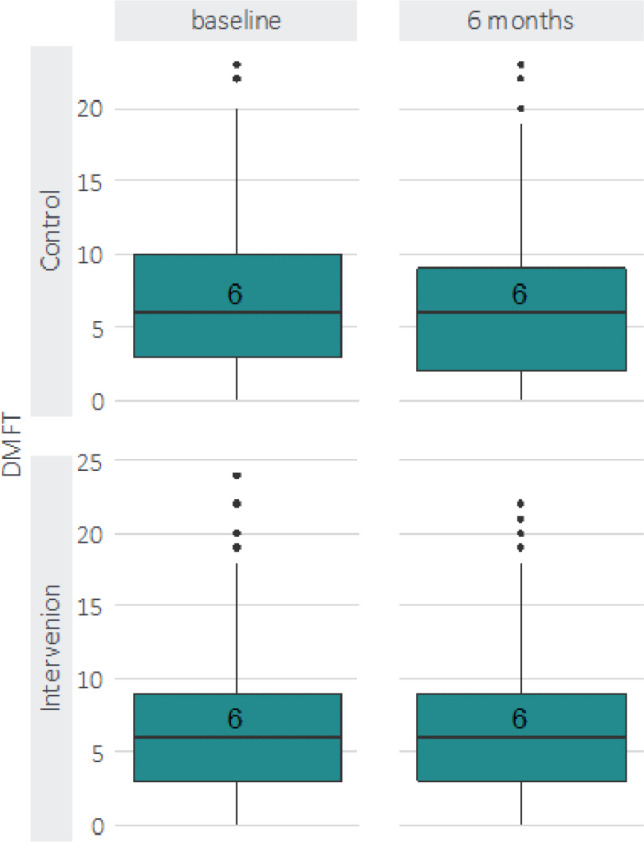
Methods: This was a superiority cluster randomised trial of children 6-12 years of age from Indonesia (N = 2021) and Nigeria (N = 2104). All children were provided with toothpaste and a toothbrush. Children in the intervention group received the 21-day Brush Day & Night programme, whereas those in the control group did not. Children completed a questionnaire addressing the objectives at all time points. Their oral hygiene was assessed using the Oral Hygiene Index-Simplified (OHI-S). Additionally, at baseline and 24 weeks their caries status was recorded using the decayed, missing, and filled teeth (DMFT) index.
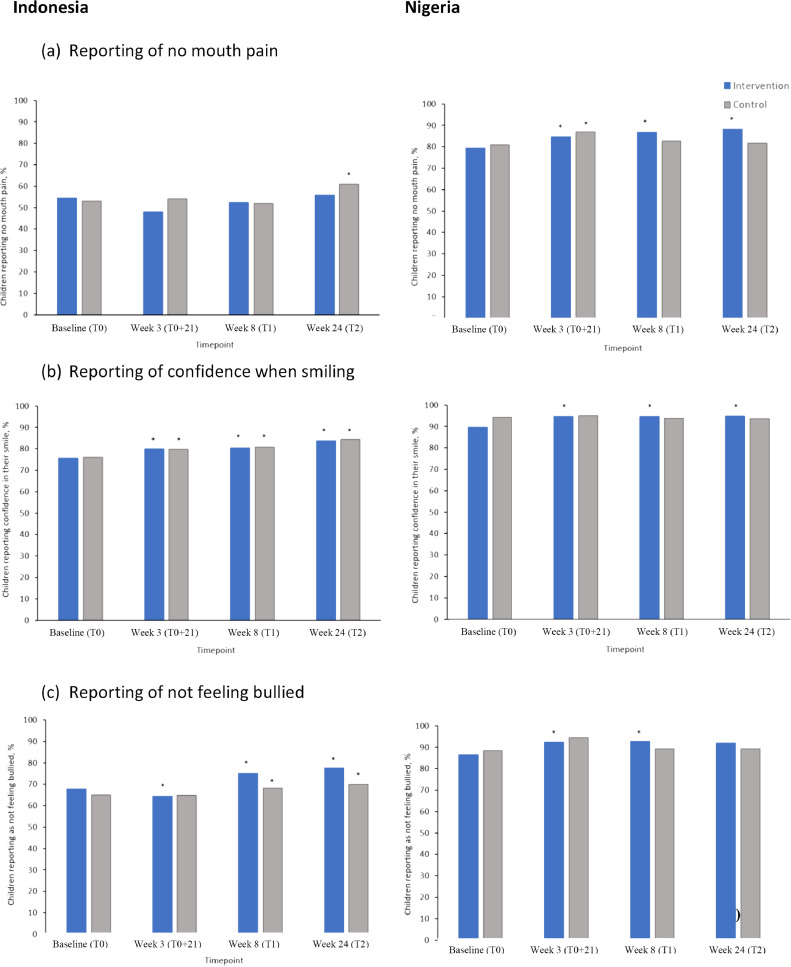
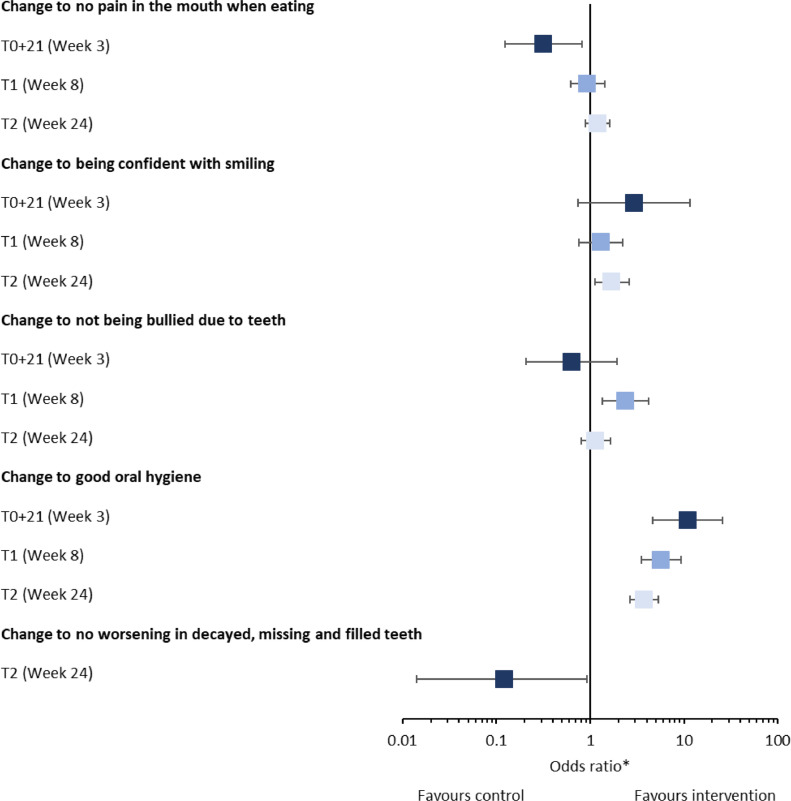
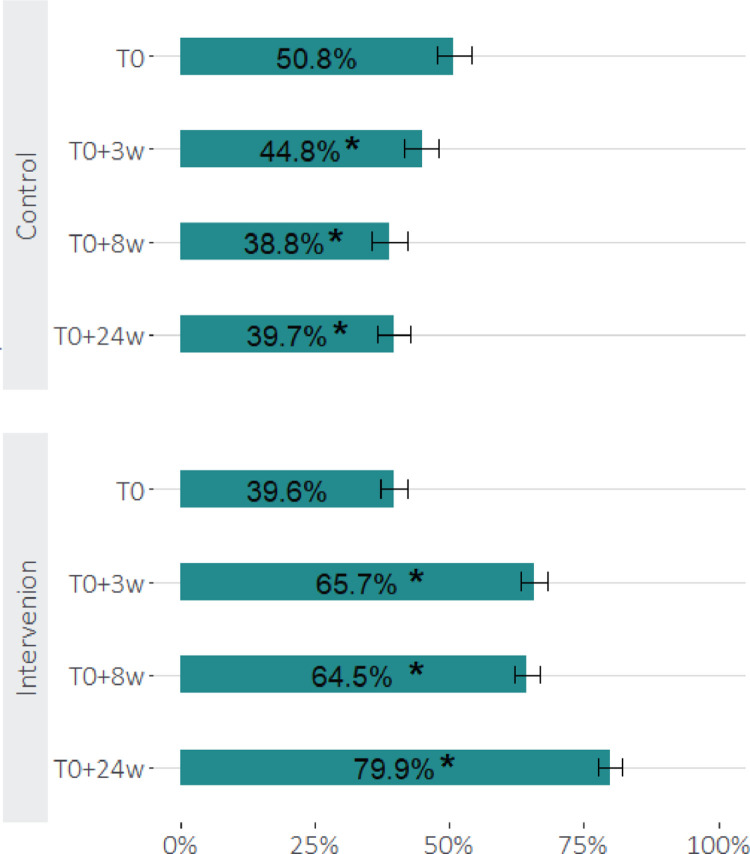
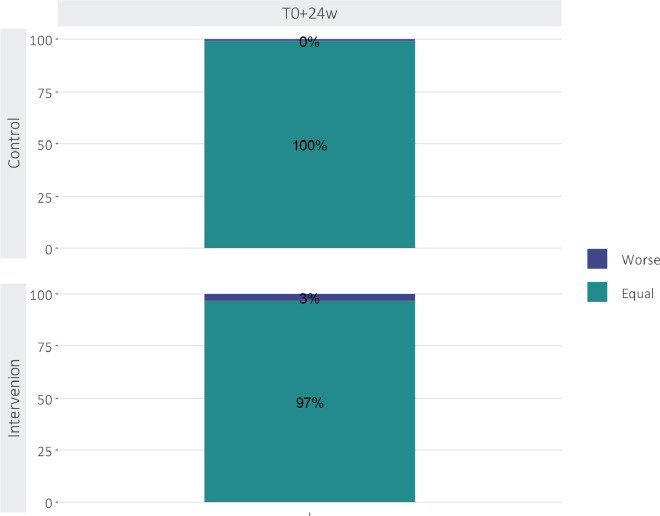
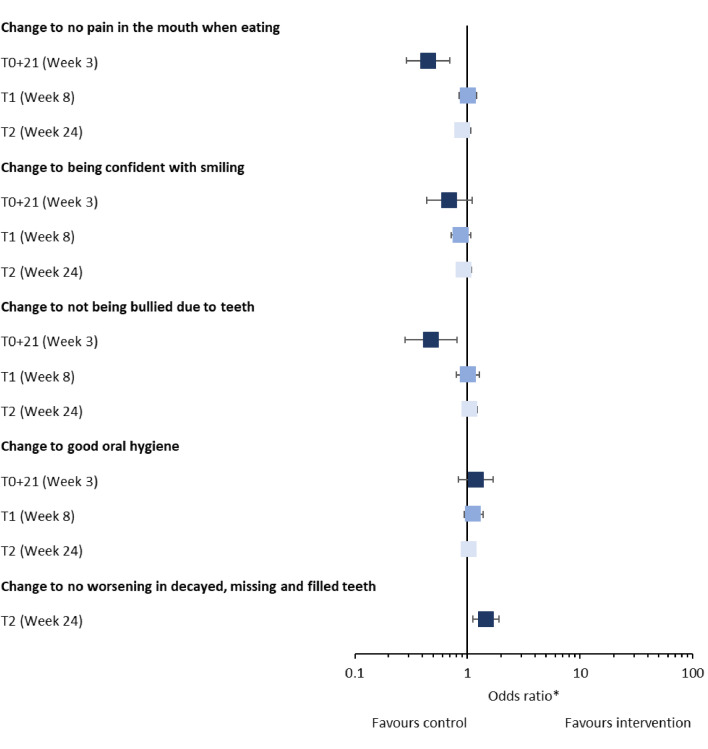
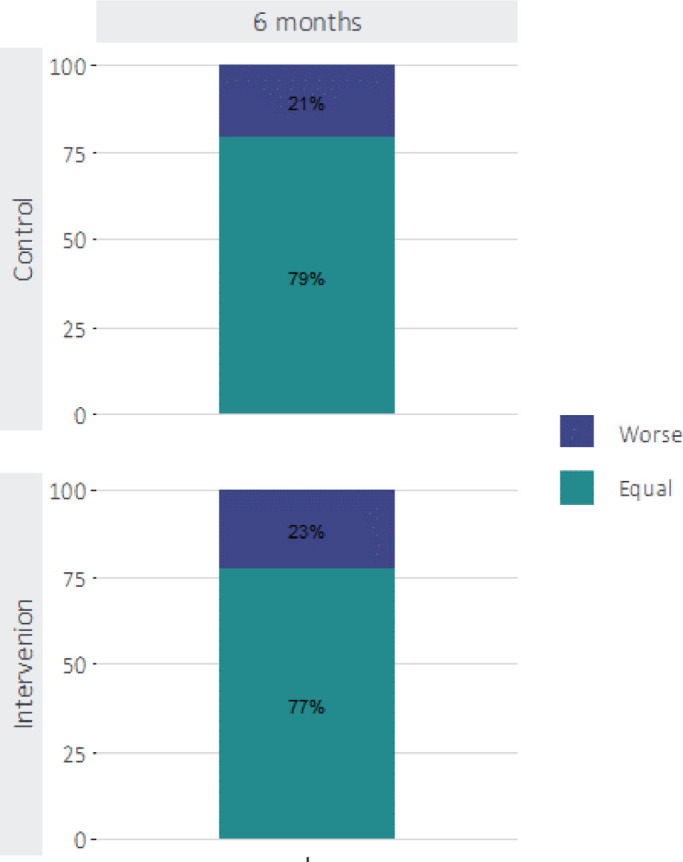
Results: In Indonesia, after participation in the programme children demonstrated a 45% increased probability of no worsening in the occurrence of decayed, missing, or filled teeth. In Nigeria, children had a 71% higher probability of having confidence in their smile and the proportion of children with good oral hygiene doubled from 40% to 80% at 24 weeks.
Conclusions: The Brush Day & Night programme was successful in improving well-being and oral hygiene in children in Nigeria and reduced the likelihood of worsening in the occurrence of decayed, missing, or filled teeth in children in Indonesia.
Keywords: Brush Day & Night; Dental caries; Oral hygiene; Quality of life.
Copyright © 2021 The Authors. Published by Elsevier Inc. All rights reserved.
Conflict of interest statement
Conflict of interest P.M., C.F., and S.T. report no conflicts of interest regarding the work under consideration for publication, no relevant financial activities outside the submitted work, and no patents or copyrights. S.M. is an employee of Unilever Oral Care.
Figures
References
-
- Tai B, Du M, Peng B, Fan M, Bian Z. Experiences from a school-based oral health promotion programme in Wuhan City, PR China. Int J Paediatr Dent. 2001;11(4):286–291. - PubMed
-
- Adair PM, Burnside G, Pine CM. Analysis of health behaviour change interventions for preventing dental caries delivered in primary schools. Caries Res. 2013;47(Suppl 1):2–12. - PubMed
-
- American Academy on Pediatric Dentistry; American Academy of Pediatrics Policy on early childhood caries (ECC): classifications, consequences, and preventive strategies. Pediatr Dent. 2008;30(7 Suppl):40–43. - PubMed
-
- Cruz RKS, Freitas YNL, Mendes TCO, et al. Spatial inequality of dental caries in the Brazilian territory. Braz Oral Res. 2020;33:e122. - PubMed
-
- Chapman A, Copestake SJ, Duncan K. An oral health education programme based on the National Curriculum. Int J Paediatr Dent. 2006;16(1):40–44. - PubMed
LinkOut - more resources
Full Text Sources
Other Literature Sources
