


Mechanisms and clinical manifestations of cardiovascular toxicities associated with immune checkpoint inhibitors
- PMID: 33686402
- PMCID: PMC8647663
- DOI: 10.1042/CS20200331
Mechanisms and clinical manifestations of cardiovascular toxicities associated with immune checkpoint inhibitors
Abstract
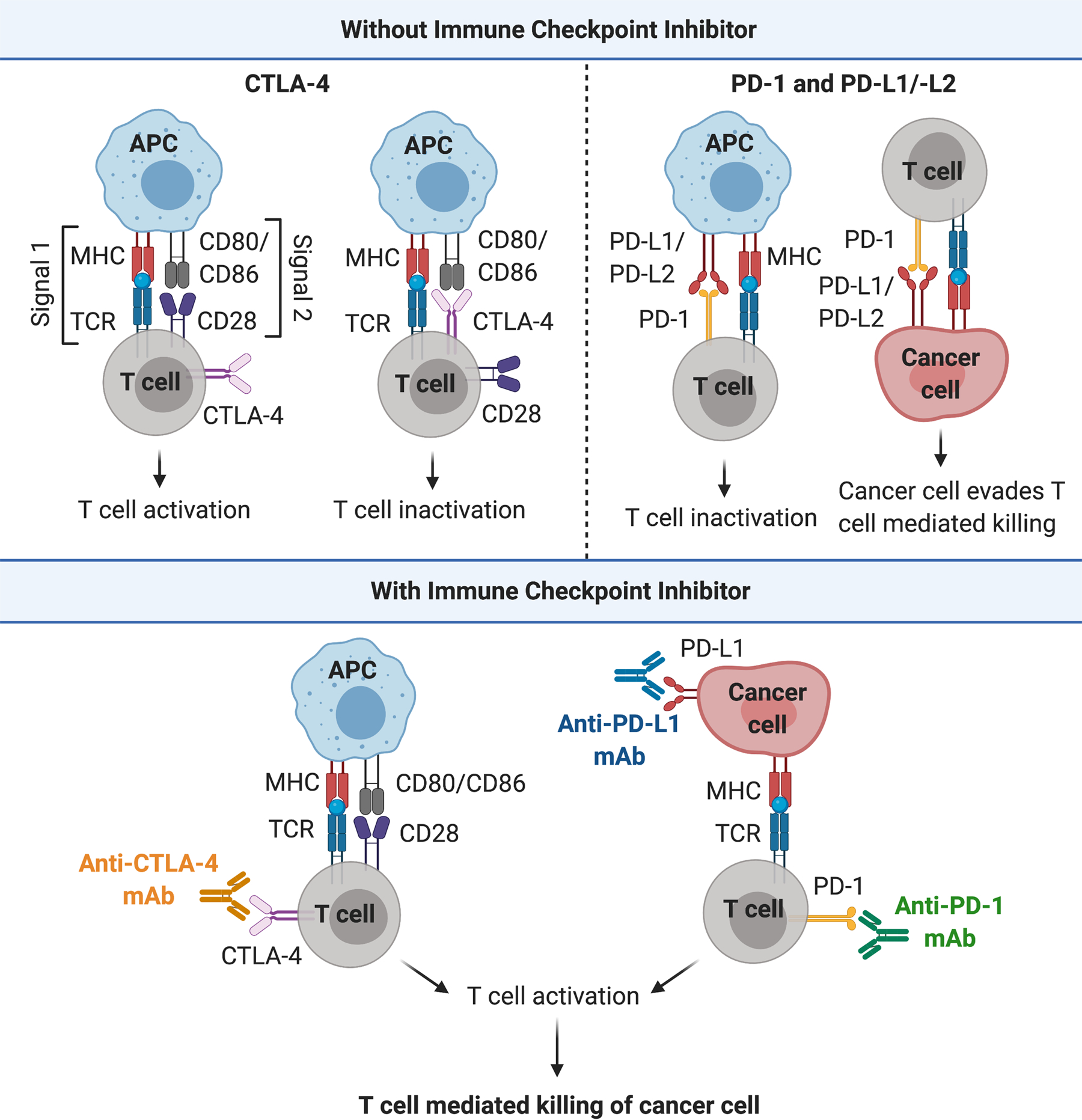
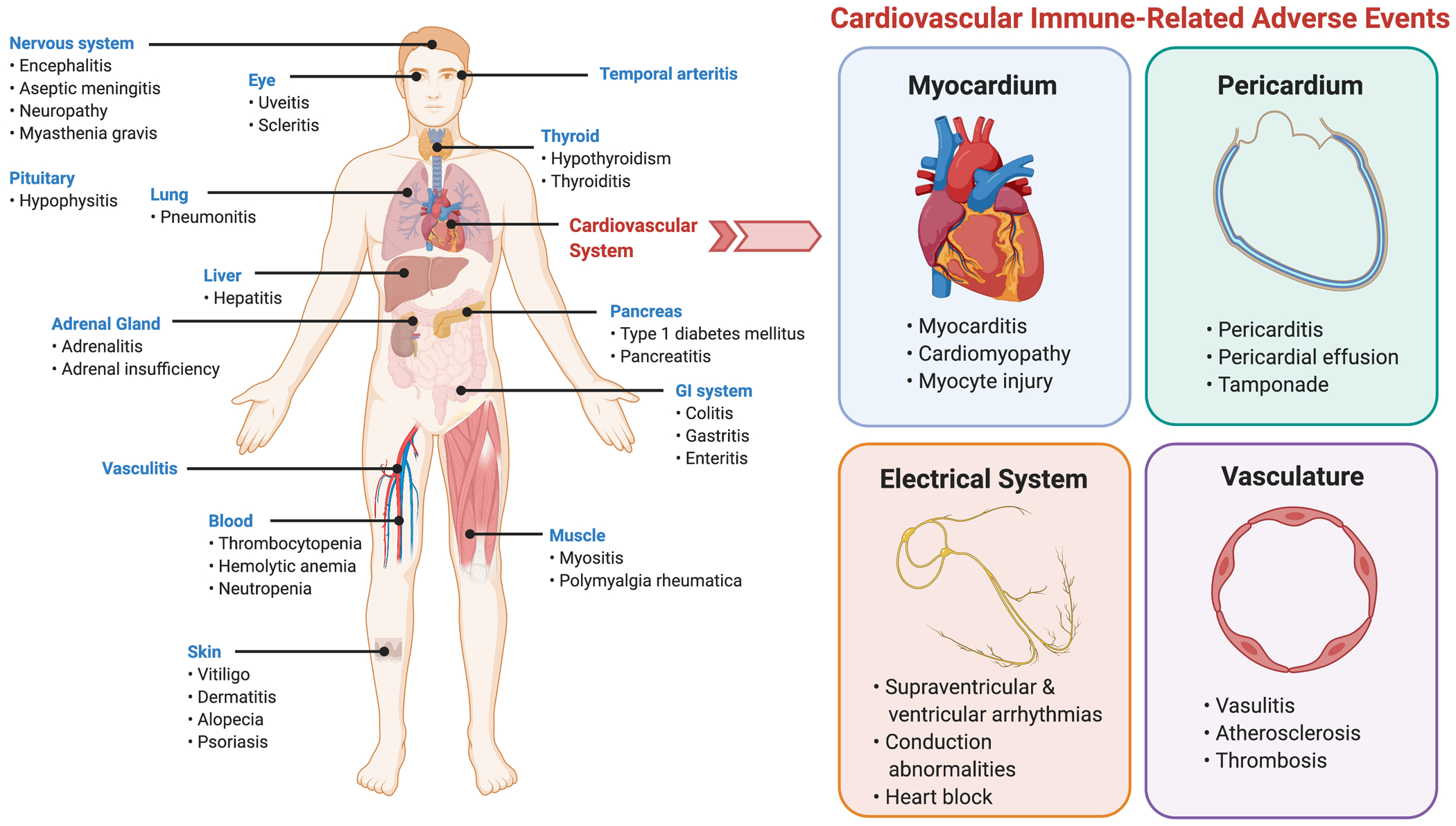
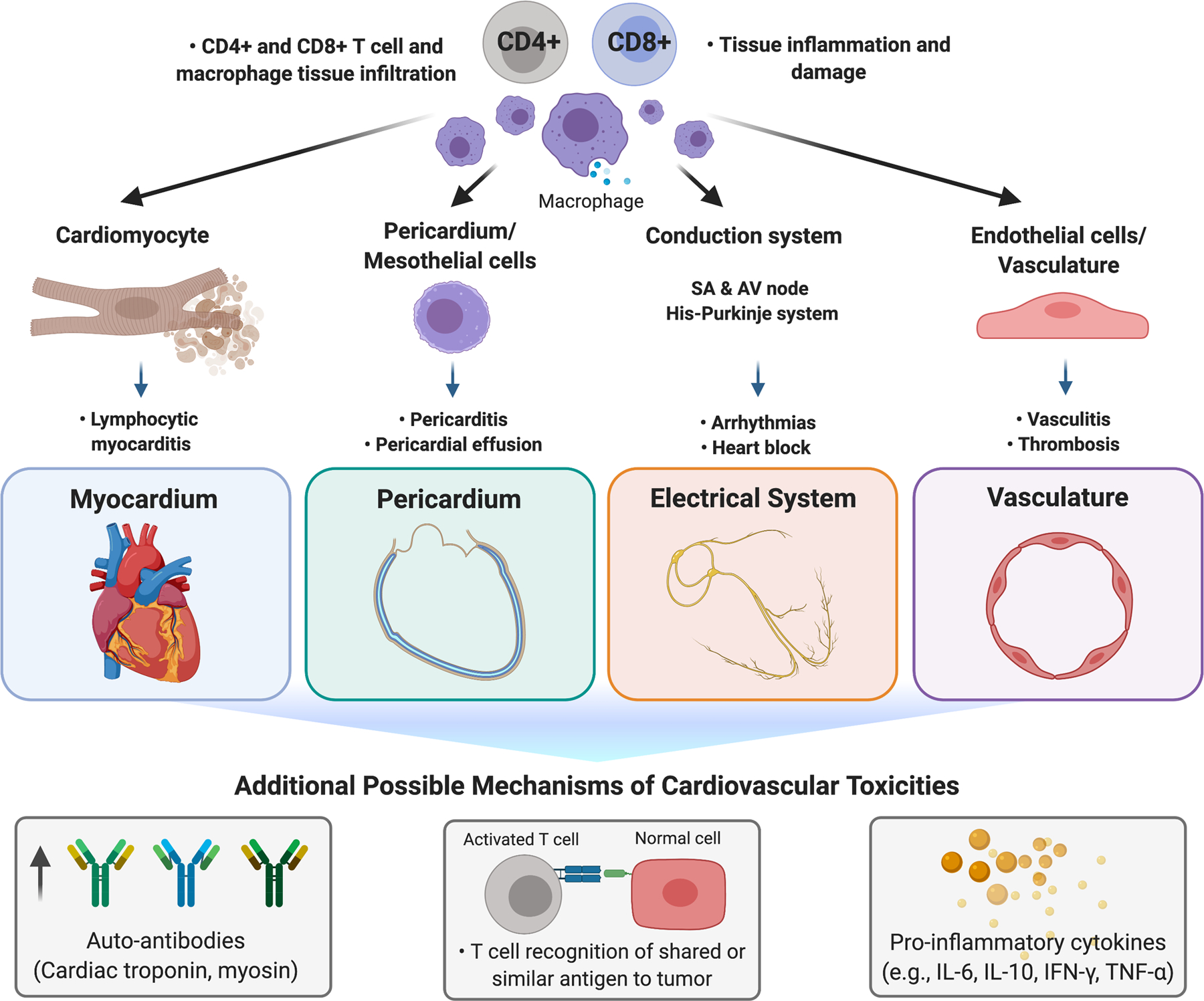
Immunotherapies have greatly expanded the armamentarium of cancer-directed therapies in the past decade, allowing the immune system to recognize and fight cancer. Immune checkpoint inhibitors (ICIs), in particular, have revolutionized cancer treatment and have demonstrated survival benefit in numerous types of cancer. These monoclonal antibodies increase anti-cancer immunity by blocking down-regulators of adaptive immunity, including cytotoxic T lymphocyte-associated protein 4 (CTLA-4), programmed cell death protein 1 (PD-1), and its ligand (PD-L1), resulting in anti-tumor activity. As ICIs increase immune system activation, they can cause a wide range of inflammatory side effects, termed immune-released adverse events. Though these toxicities can affect nearly any organ, the most fatal toxicity is myocarditis. Here, we discuss the diverse spectrum of cardiovascular toxicities associated with ICI use. In addition, we provide insight and future directions on mechanisms and treatments for immune-related adverse events (irAEs) involving the myocardium, pericardium, vasculature, and conduction system.
Keywords: autoimmunity; cardiovascular disease; heart failure; immunomodulation.
© 2021 The Author(s). Published by Portland Press Limited on behalf of the Biochemical Society.
Figures
References
Publication types
MeSH terms
Substances
Grants and funding
LinkOut - more resources
Full Text Sources
Other Literature Sources
Medical
Research Materials
Miscellaneous
