


Global prevalence and types of complementary and alternative medicines use amongst adults with diabetes: systematic review and meta-analysis
- PMID: 33686454
- PMCID: PMC8346452
- DOI: 10.1007/s00228-021-03097-x
Global prevalence and types of complementary and alternative medicines use amongst adults with diabetes: systematic review and meta-analysis
Abstract
Aim: This study aimed to undertake a systematic review and meta-analysis of global prevalence and types of complementary and alternative medicine (CAM) use amongst adults with diabetes.
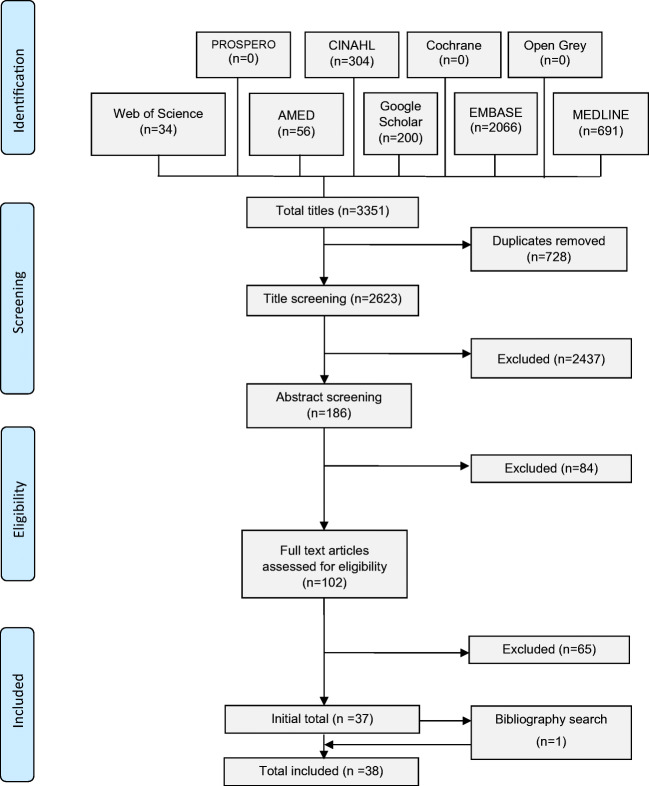
Methods: Nine databases, including MEDLINE and EMBASE, were searched for studies published between 2009 and 2019 which included extractable data for CAM use in adult patients with diabetes. Study characteristics, types of CAM, and overall and subgroup prevalence data in relation to CAM use were extracted. Meta-analysis of aggregate level data on prevalence and prevalence ratios (PRs) was performed using a random effects model.
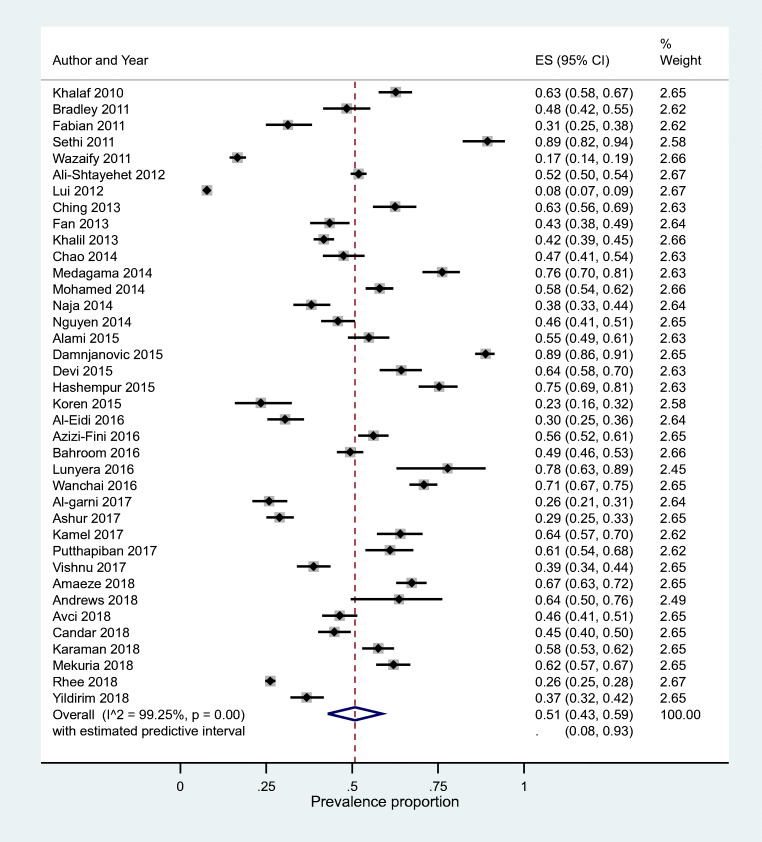
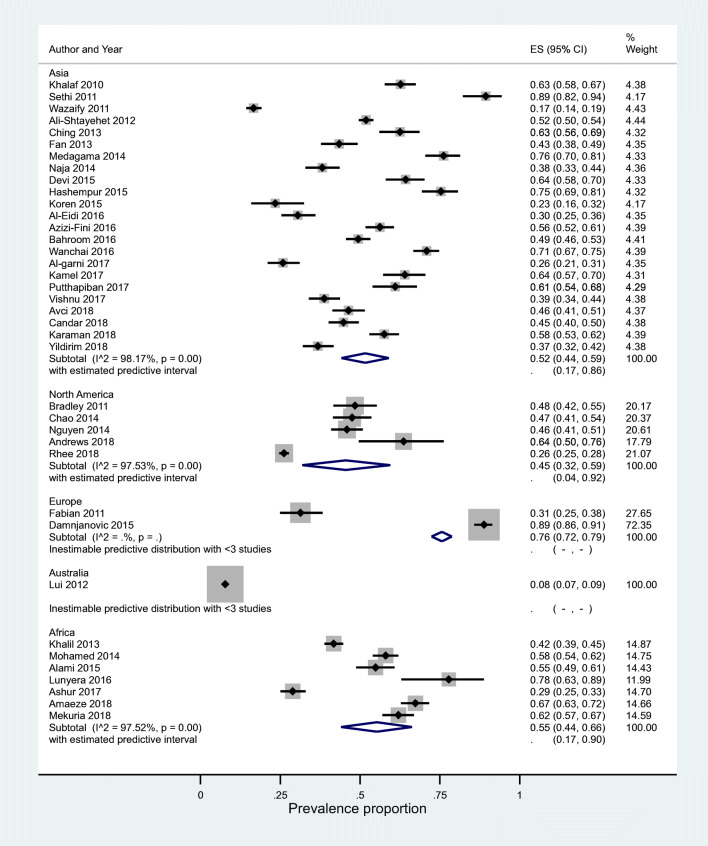
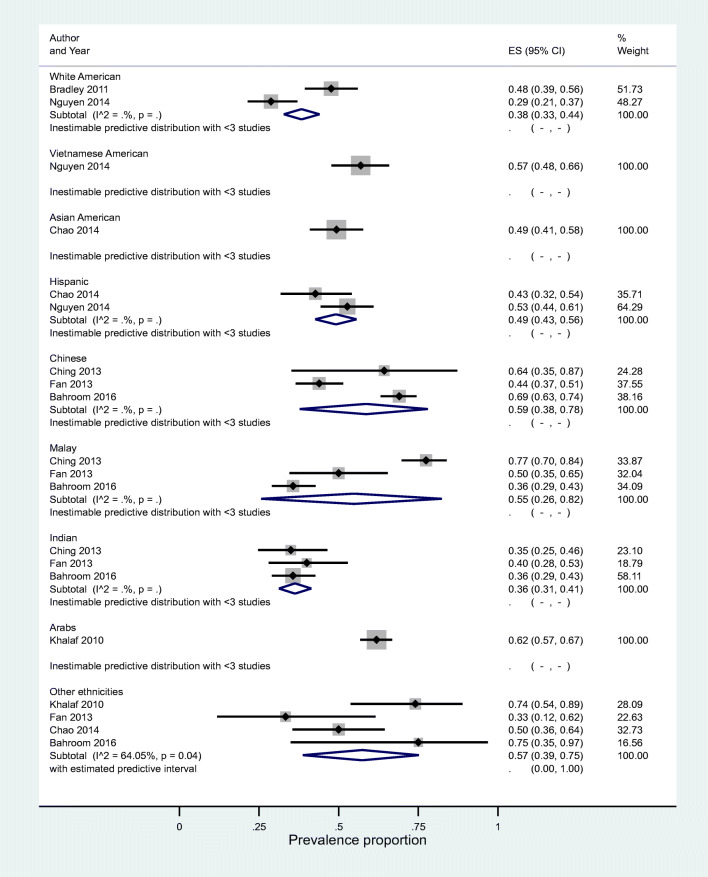
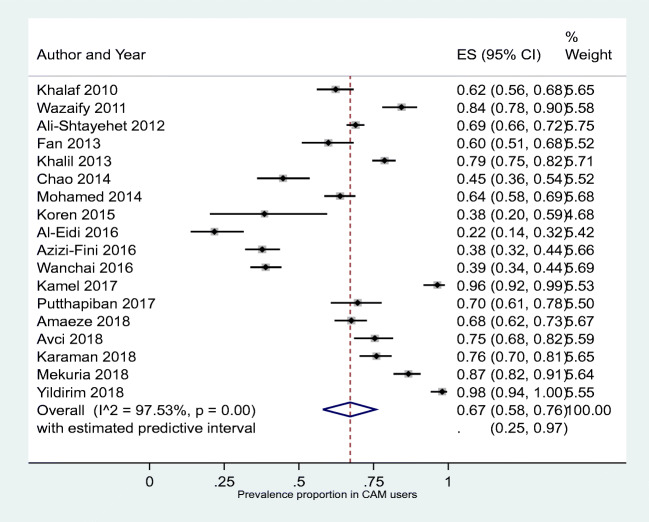
Results: From the 38 studies included in the review, a total of 37 types of CAM and 223 types of herbs were identified. Pooled prevalence of CAM use was 51%. A wide variation in prevalence rates (predictive interval 8-93%) was observed. In the context of high heterogeneity, we found no evidence that CAM use was associated with gender, chronicity or type of diabetes. Approximately one third of patients did not disclose their use of CAM to healthcare professionals (95% PrI 25%, 97%). Herbal medicines, acupuncture, homoeopathy and spiritual healing were the common CAM types reported.
Conclusions: A wide variation in prevalence of CAM use by patients with diabetes was identified. Healthcare professionals should be aware of their patients' use of CAM to ensure treatment optimization, avoid herb-drug interactions and promote medication adherence in diabetes. Diabetic reviews and clinical guidelines should incorporate exploration of patient use of CAM as many patients do not proactively disclose the use of CAM to their healthcare professionals.
Registration: The protocol for this study was registered with the Centre for Review and Dissemination (CRD). Protocol registration number CRD42019125036.
Keywords: Complementary and alternative medicine; Diabetes; Prevalence; Systematic review.
© 2021. The Author(s).
Conflict of interest statement
The authors declare that they have no conflict of interest.
Figures
References
-
- World Health Organization. WHO Global Report on Diabetes. https://www.who.int/publications/i/item/9789241565257. Accessed 26 Nov 2020
-
- Gardner DG, Shoback DM. Greenspan’s basic and clinical endocrinology. New York: McGraw-Hill Education; 2017.
Publication types
MeSH terms
LinkOut - more resources
Full Text Sources
Other Literature Sources
Medical
