Review
. 2021 Jun;86(1):210-230.
doi: 10.1111/prd.12371. Epub 2021 Mar 10.

Polymicrobial communities in periodontal disease: Their quasi-organismal nature and dialogue with the host

Affiliations
Review

Polymicrobial communities in periodontal disease: Their quasi-organismal nature and dialogue with the host

George Hajishengallis et al. Periodontol 2000. 2021 Jun.

Abstract

In health, indigenous polymicrobial communities at mucosal surfaces maintain an ecological balance via both inter-microbial and host-microbial interactions that promote their own and the host's fitness, while preventing invasion by exogenous pathogens. However, genetic and acquired destabilizing factors (including immune deficiencies, immunoregulatory defects, smoking, diet, obesity, diabetes and other systemic diseases, and aging) may disrupt this homeostatic balance, leading to selective outgrowth of species with the potential for destructive inflammation. This process, known as dysbiosis, underlies the development of periodontitis in susceptible hosts. The pathogenic process is not linear but involves a positive-feedback loop between dysbiosis and the host inflammatory response. The dysbiotic community is essentially a quasi-organismal entity, where constituent organisms communicate via sophisticated physical and chemical signals and display functional specialization (eg, accessory pathogens, keystone pathogens, pathobionts), which enables polymicrobial synergy and dictates the community's pathogenic potential or nososymbiocity. In this review, we discuss early and recent studies in support of the polymicrobial synergy and dysbiosis model of periodontal disease pathogenesis. According to this concept, disease is not caused by individual "causative pathogens" but rather by reciprocally reinforced interactions between physically and metabolically integrated polymicrobial communities and a dysregulated host inflammatory response.

Keywords: dysbiosis; inflammation; keystone pathogen; pathobiont; periodontitis; polymicrobial community.


Figures

Figure 1.
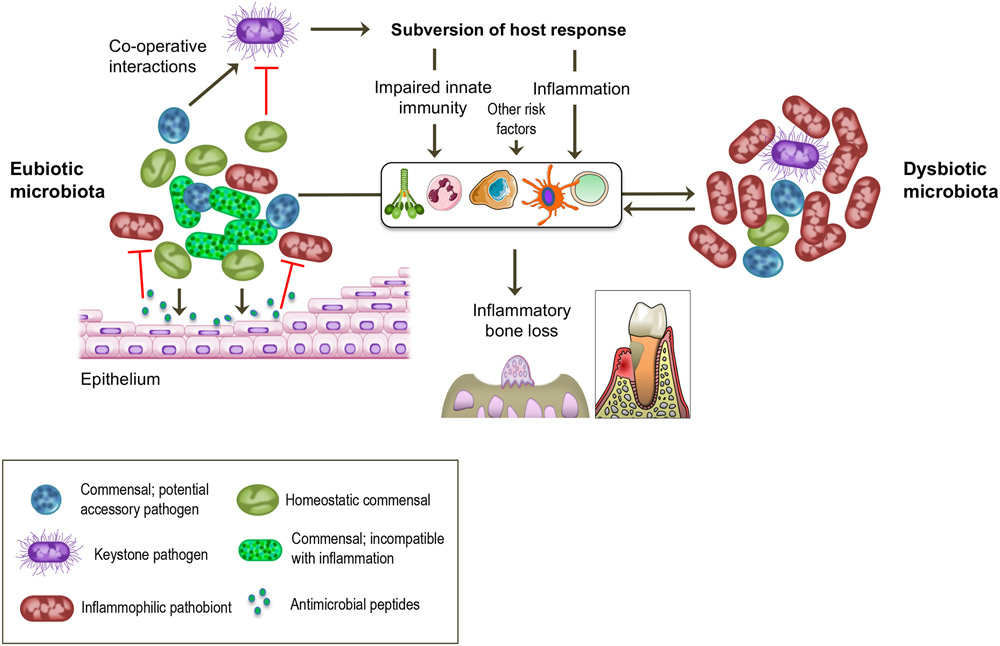
Figure 1.. Functional categories among bacteria in polymicrobial communities.
Inflammatory bone loss in periodontitis is induced by a polymicrobial community, where different members have distinct and synergistic roles that promote destructive inflammation. Keystone pathogens — which are aided by accessory pathogens in terms of nutritional and/or colonization support — initially subvert the host immune response and contribute (along with other risk factors; see Table 1) to the emergence of a dysbiotic microbiota. Within this altered microbiota, commensal-turned pathobionts overactivate the host response and thrive within the resulting inflammatory environment. In contrast to an accessory pathogen, a homeostatic commensal tends to stabilize a eubiotic community either by directly antagonizing potentially pathogenic microbes or by inducing antimicrobial peptides that preferentially target potential pathogens.
Figure 2.
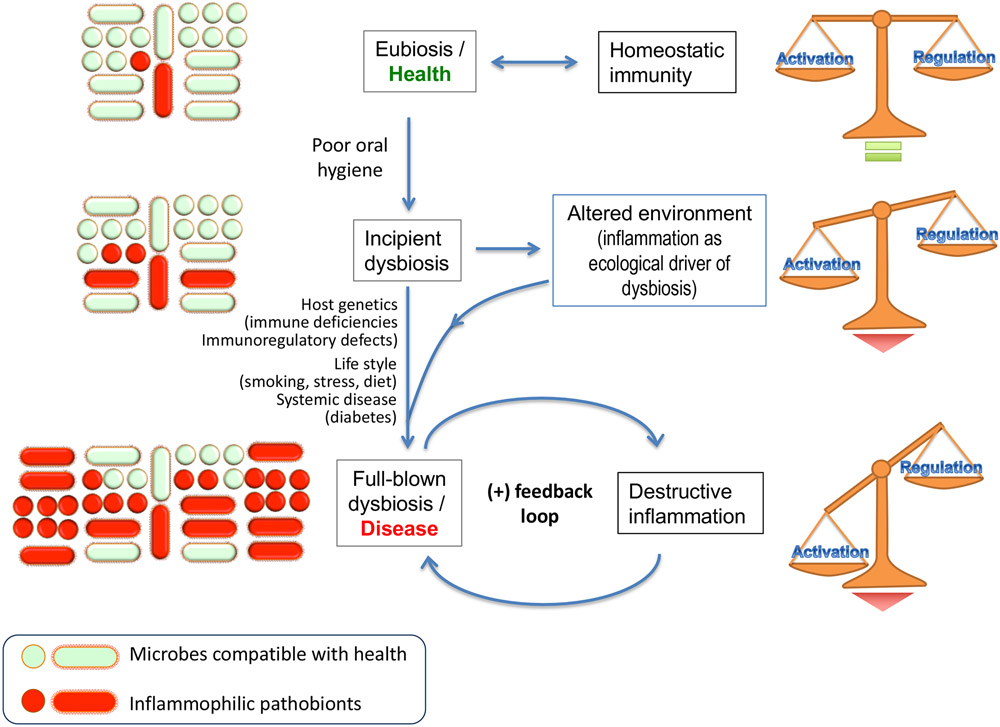
Figure 2.. Interplay between inflammation and dysbiosis in periodontitis.
A eubiotic microbial community contributes to the induction and maintenance of homeostatic immunity, where immune activation is optimally regulated to control the health-associated microbiota without collateral tissue damage. Inflammatory responses to a growing biofilm due to poor oral hygiene (as it occurs in experimental gingivitis studies) may cause incipient dysbiosis which will further increase inflammation. Inflammation, in turn, may selectively favor the expansion of pathobionts which can capitalize on the altered environmental conditions (e.g., use inflammatory byproducts to increase their metabolism and growth). The blooming pathobionts further exacerbate inflammation, eventually causing overt periodontitis in susceptible individuals (e.g., owing to genetic or acquired alterations; see Table 1). In susceptible hosts, inflammation is ineffective, uncontrolled, and destructive and engages in a positive-feedback loop with dysbiosis, each reinforcing the other.
Figure 3:
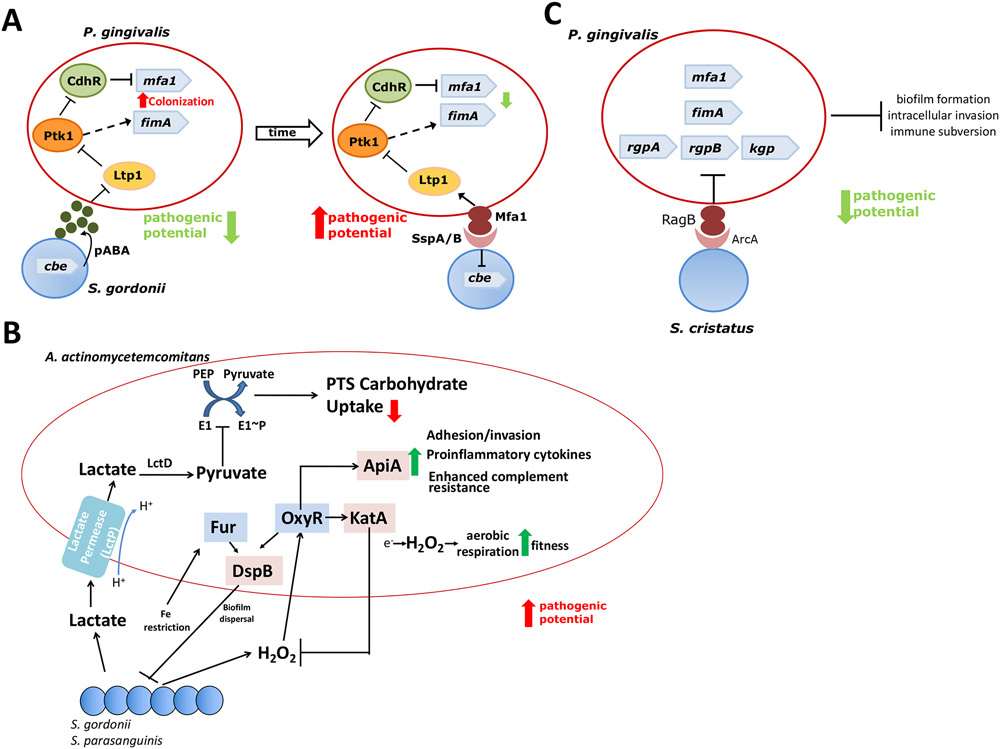
Figure 3:. Interactions among bacterial species which impact nososymbiocity.
Oral bacteria interact through multiple pathways which can be demarcated both spatially and temporally. Shown are major threads of communication between (A) P. gingivalis and S. gordonii; (B) A. actinomycetemcomitans and S. gordonii; and (C) P. gingivalis and S. cristatus, which either increase or decrease pathogenic potential, as indicated (see text for detailed description). Adapted with permission from reference . ApiA, Actinobacillus putative invasin A; ArcA, arginine deiminase; Cbe, chorismate binding enzyme; CdhR, Community Development and Hemin (transcriptional) Regulator; DspB, Dispersin B; fimA, fimbrial protein A; Fur, ferric uptake regulatory (protein); KatA, catalase D; kgp, Lysine-specific proteinase; LctD, lactase D; Ltp1, low-molecular-weight tyrosine phosphatase-1; Mfa, minor fimbrial antigen; RagB, Receptor antigen gene B; OxyR, Oxygen Resistance (positive regulator of hydrogen peroxide-inducible genes); pABA, 4-amino benzoate; Pdk1, P. gingivalis tyrosine kinase-1; PTS, phosphotransferase system; rgpA, Arginine-specific cysteine proteinase A; rgpB, Arginine-specific cysteine proteinase B; SspA/B, streptococcal surface protein A/B.
Figure 4:
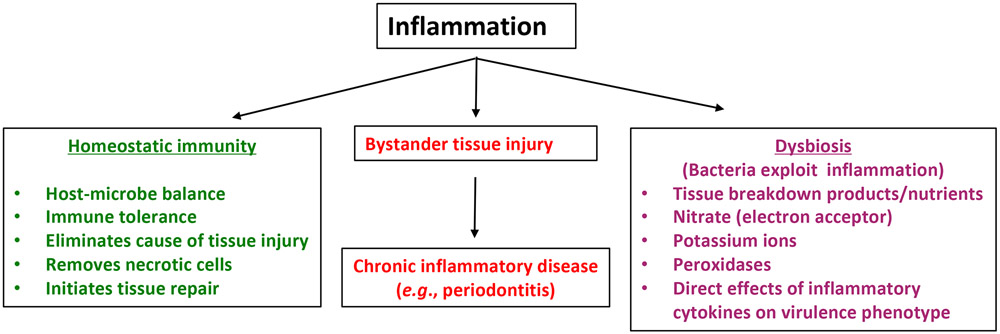
Figure 4:. Significance of inflammation in host-microbe interactions.
Ideally, inflammation is an integrated component of a homeostatic process aiming to maintain host-microbe balance and immune tolerance to innocuous antigens and, if necessary, to isolate and destroy causes of tissue injury (e.g., microbial pathogens), remove necrotic cells and cellular debris, and repair tissue damage, thereby restoring normal function. However, excessive inflammation can cause bystander tissue damage and, if not resolved, may become chronic and cause an inflammatory disease, such as periodontitis. Inflammation is also exploited by inflammophilic pathobionts to promote their metabolism, virulence, and adaptive fitness (see text for details on individual molecules exploited by pathobionts).
Figure 5.
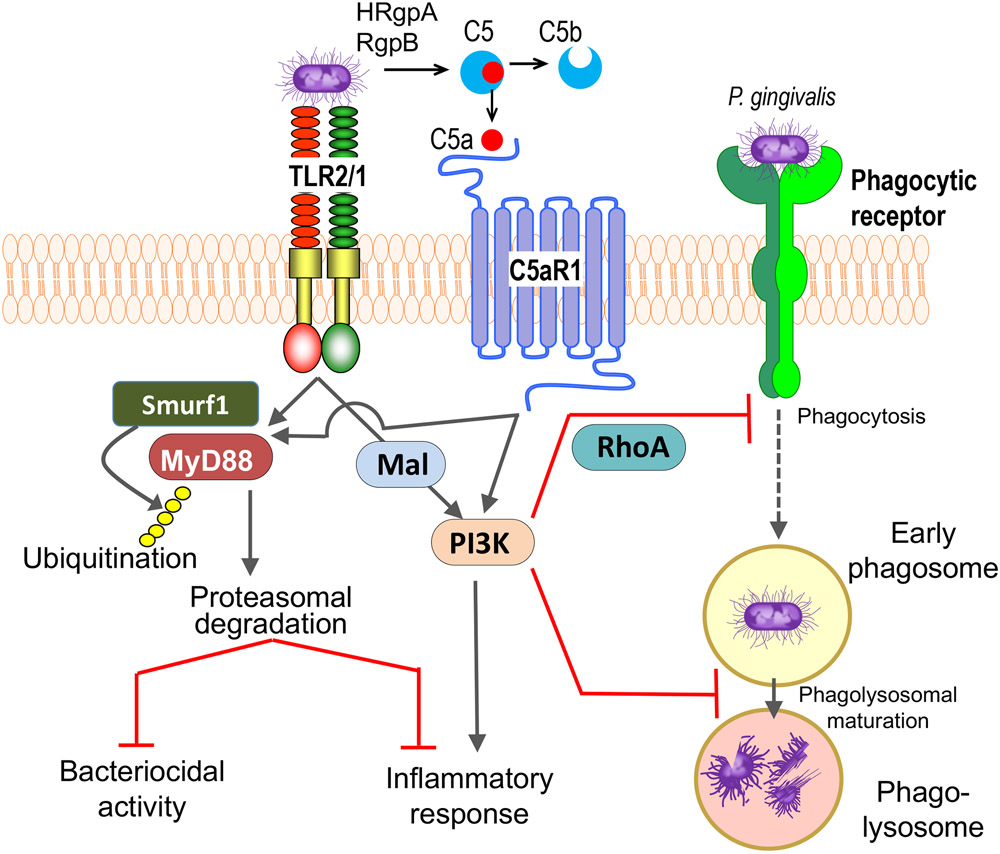
Figure 5.. P. gingivalis impairs innate host defenses while promoting inflammatory responses in phagocytic cells.
P. gingivalis expresses cell-surface molecules that activate the TLR2–TLR1 complex (TLR2/1) and secretes enzymes (the gingipains designated HRgpA and RgpB) that act on the complement component C5 to generate high local concentrations of C5a, a ligand of C5aR1. The bacterium can thus co-activate C5aR1 and TLR2 in phagocytic cells such as neutrophils and macrophages. In both of these myeloid cell types, P. gingivalis can bypass MyD88 and thus prevent the associated bactericidal activity ,, which in neutrophils is possibly mediated by downstream activation of IRAK4-dependent neutrophil granule exocytosis . In neutrophils, the inactivation of MyD88 involves its ubiquitination via the E3 ubiquitin ligase Smurf1 and its subsequent proteasomal degradation. Although MyD88-dependent inflammation is blocked by P. gingivalis, this bacterium induces PI3K-dependent inflammatory cytokine in both neutrophils and macrophages,. Similarly, in both cell types, P. gingivalis-induced activation of PI3K leads to inhibition of phagocytosis ,. In neutrophils, this activity is mediated by the ability of PI3K to suppress RhoA GTPase and actin polymerization . Intriguingly, even within those macrophages that do manage to phagocytose P. gingivalis bacteria, PI3K signaling suppresses phago-lysosomal maturation, thereby preventing pathogen destruction . These tactics compromise innate immunity while promoting inflammation that leads to the selective expansion of inflammophilic pathobionts. Conversely, inhibition of C5aR1, TLR2, or PI3K reverses dysbiotic inflammation and periodontitis in mice ,. Adapted with permission from ref . C5aR1, Complement C5a receptor-1; HRgpA; hemagglutinin arginine-specific cysteine proteinase A; IRAK4, Interleukin-1 receptor-associated kinase-1; Mal, MyD88-adaptor-like; PI3K, phosphoinositide 3-kinase; RgpB; arginine-specific cysteine proteinase B; RhoA, ras homolog family member A; Smurf-1, Smad ubiquitin regulatory factor-1; TLR2/1, Toll-like receptor 2/Toll-like recptor 1 complex.

References

    1. Lamont RJ, Hajishengallis G. Polymicrobial synergy and dysbiosis in inflammatory disease. Trends Mol Med. 2015;21(3):172–183. - PMC - PubMed
    1. Lamont RJ, Koo HM, Hajishengallis G. The oral microbiota: dynamic communities and host interactions Nat Rev Microbiol. 2018;16(12):745–759. - PMC - PubMed
    1. Darveau RP. Periodontitis: a polymicrobial disruption of host homeostasis. Nat Rev Microbiol. 2010;8(7):481–490. - PubMed
    1. Hajishengallis G Periodontitis: from microbial immune subversion to systemic inflammation. Nat Rev Immunol. 2015;15(1):30–44. - PMC - PubMed
    1. Mark Welch JL, Rossetti BJ, Rieken CW, Dewhirst FE, Borisy GG. Biogeography of a human oral microbiome at the micron scale. Proc Natl Acad Sci U S A. 2016;113(6):E791–800. - PMC - PubMed

Publication types

LinkOut - more resources