Women in Neurosurgery (WIN): Barriers to Progress, World WIN Directory and the Way Forward
- PMID: 33708650
- PMCID: PMC7869302
- DOI: 10.4103/ajns.AJNS_108_20
Women in Neurosurgery (WIN): Barriers to Progress, World WIN Directory and the Way Forward
Abstract
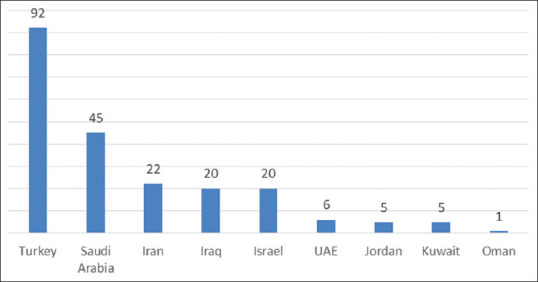
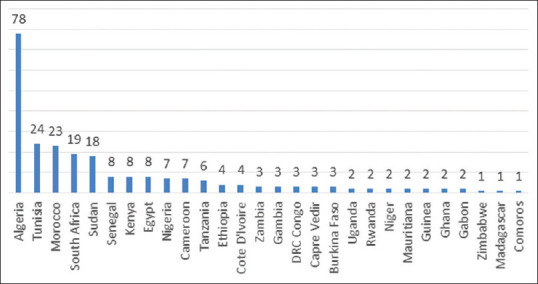
Women in Neurosurgery (WIN) have come a long way and are making inroads in every neurosurgical subspecialty. There has been a worldwide increase in the number of female neurosurgeons both in the training and practice. Although this is a welcome trend, gender equality at work in terms of opportunities, promotions, and pay scales are yet to be attained. This is more apparent in the developing and underdeveloped nations. Barriers for a female neurosurgeon exist in every phase before entering residency, during training, and at workplace. In the neurosurgical specialty, only a few women are in chief academic and leadership positions, and this situation needs to improve. WIN should be motivated to pursue fellowships, sub-specialty training, research, and academic activities. Furthermore, men should come forward to mentor women, only then the gender debates will disappear and true excellence in neurosurgery can be attained. This article reviews the issues that are relevant in the present era focusing on the barriers faced by female neurosurgeons in the developing and underdeveloped countries and the possible solutions to achieve gender equality in neurosurgery. The authors also present the data from the World WIN Directory collected as a part of Asian Congress of Neurological Surgeons-WINS project 2019. These numbers are expected to grow as the WIN progress and add value to the neurosurgical community at large.
Keywords: Barriers; female neurosurgeons; gender equality; leadership; mentoring; work-life balance; world WIN directory.
Copyright: © 2020 Asian Journal of Neurosurgery.
Conflict of interest statement
There are no conflicts of interest.
Figures
References
-
- Women in Neurosurgery: Past, Present, and Future Congress of Neurological Surgeons. [Last accessed on 2019 Sep 27]. Available from: https://www.cns.org/publications/congress-quarterly/congress-quarterly-s... .
-
- Renfrow JJ, Rodriguez A, Liu A, Pilitsis JG, Samadani U, Ganju A, et al. Positive trends in neurosurgery enrollment and attrition: Analysis of the 2000-2009 female neurosurgery resident cohort. J Neurosurg. 2016;124:834–9. - PubMed
-
- Abosch A, Rutka JT. Women in neurosurgery: Inequality redux. J Neurosurg. 2018;129:277–81. - PubMed
-
- Corley J, Williamson T. Women in neurosurgery: Final frontier of career women's movement. World Neurosurg. 2018;111:130–1. - PubMed
Publication types
LinkOut - more resources
Full Text Sources
Miscellaneous