


First French study relative to preconception genetic testing: 1500 general population participants' opinion
- PMID: 33712027
- PMCID: PMC7955630
- DOI: 10.1186/s13023-021-01754-z
First French study relative to preconception genetic testing: 1500 general population participants' opinion
Abstract
Background: Until very recently, preconception genetic testing was only conducted in particular communities, ethnic groups or families for which an increased risk of genetic disease was identified. To detect in general population a risk for a couple to have a child affected by a rare, recessive or X-linked, genetic disease, carrier screening is proposed in several countries. We aimed to determine the current public opinion relative to this approach in France, using either a printed or web-based questionnaire.
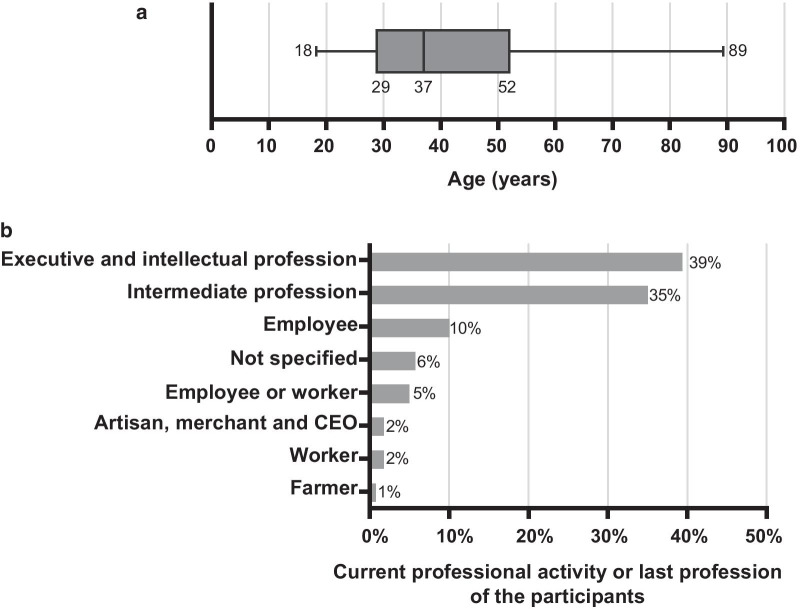
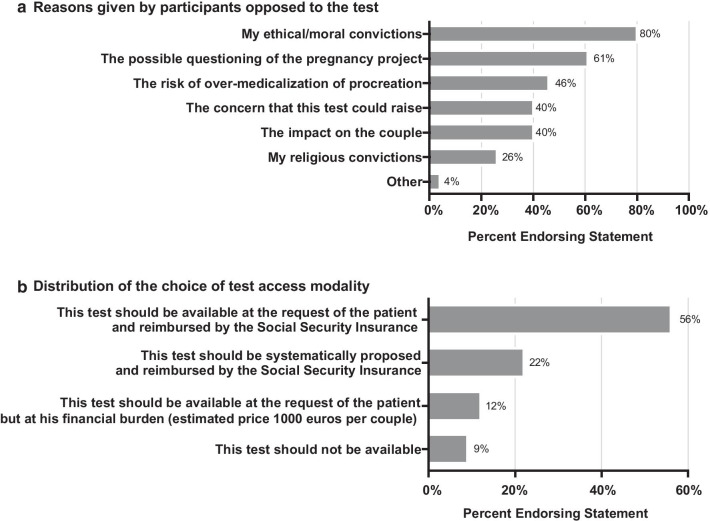
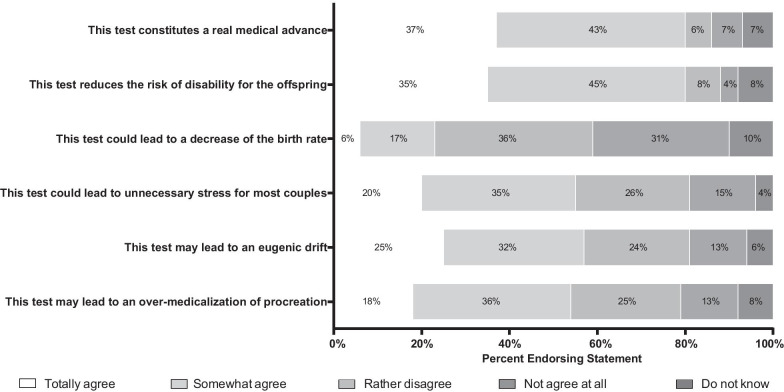
Results: Among the 1568 participants, 91% are favorable to preconception genetic tests and 57% declare to be willing to have the screening if the latter is available. A medical prescription by a family doctor or a gynecologist would be the best way to propose the test for 73%, with a reimbursement from the social security insurance. However, 19% declare not to be willing to use the test because of their ethic or moral convictions, and the fear that the outcome would question the pregnancy. Otherwise, most participants consider that the test is a medical progress despite the risk of an increased medicalization of the pregnancy.
Conclusion: This first study in France highlights a global favorable opinion for the preconception genetic carrier testing under a medical prescription and a reimbursement by social security insurance. Our results emphasize as well the complex concerns underpinned by the use of this screening strategy. Therefore, the ethical issues related to these tests include the risk of eugenic drift mentioned by more than half of the participants.
Keywords: Expanded carrier screening; Preconception genetic testing; Reproductive medicine.
Conflict of interest statement
The authors declare that they have no competing interests.
Figures

References
-
- L’avis 129 contribution du CCNE à la révision de la loi de bioéthique est en ligne | Comité Consultatif National d’Ethique [Internet]. [cited 2018 Sep 29]. Available from: http://www.ccne-ethique.fr/fr/actualites/lavis-129-contribution-du-ccne-...
MeSH terms
LinkOut - more resources
Full Text Sources
Other Literature Sources
Medical
