


Antimicrobial stewardship in the outpatient parenteral antimicrobial therapy (OPAT) setting: the impact of prescription assessment by an infectious diseases specialist
- PMID: 33716018
- PMCID: PMC9392152
- DOI: 10.1016/j.bjid.2021.101560
Antimicrobial stewardship in the outpatient parenteral antimicrobial therapy (OPAT) setting: the impact of prescription assessment by an infectious diseases specialist
Abstract
Objective: In recent years, the use of outpatient parenteral antimicrobial therapy (OPAT) has increased, resulting in the need to ensure its rational and adequate utilization. This article describes the implementation of an antimicrobial stewardship program in the OPAT setting by a Health Maintenance Organization (HMO) and its results.
Method: An infectious disease (ID) physician made routine assessments of all home care parenteral antimicrobial requests from February to December 2019. Information on diagnosis, renal function, weight, previous antimicrobials, and microbiology were gathered during remote evaluations. Prescription changes recommended by the ID specialist were not mandatory, but implemented by the primary provider as accepted. Antibiotic consumption data was analyzed from January 2018 to December 2019. An active screening was conducted for treatment failures: two or more treatment course requirements, or death within 15 days of the evaluation were reexamined.
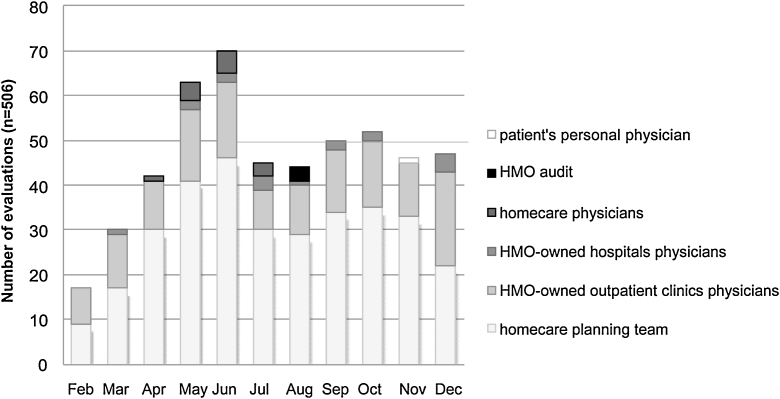
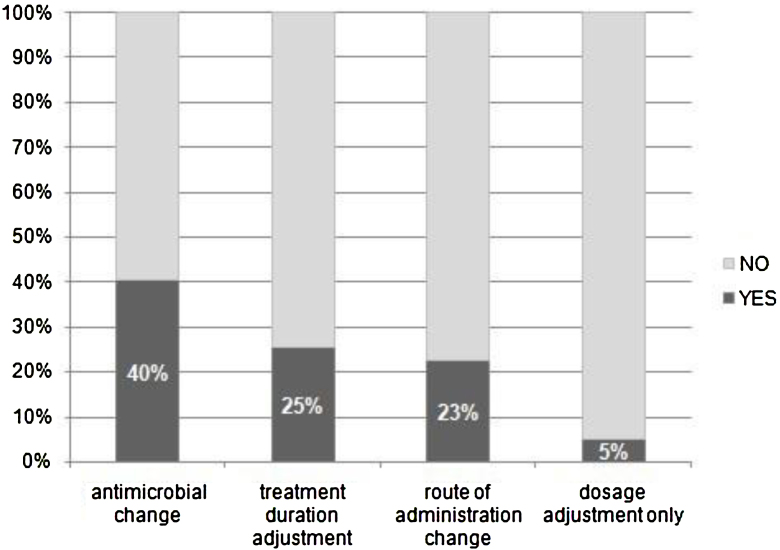
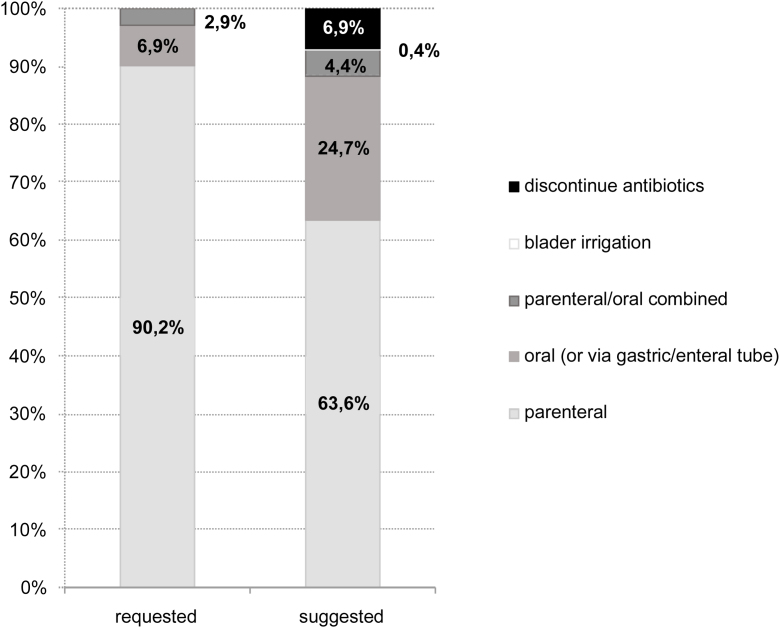
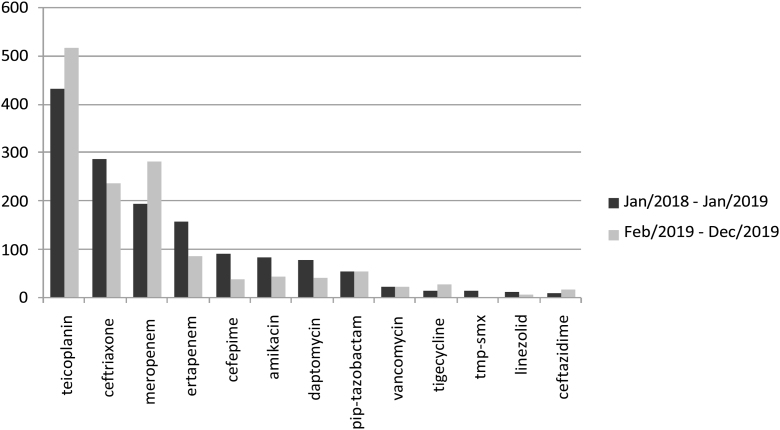
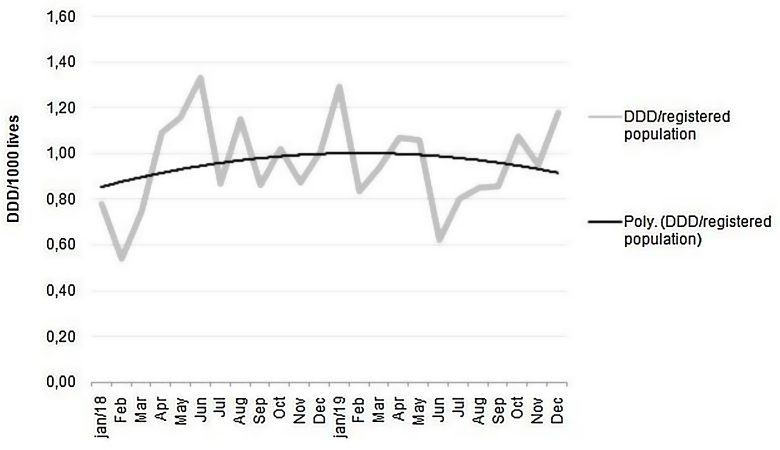
Results: A total of 506 antimicrobial requests were assessed. The most frequent diagnoses were urinary tract infection, pneumonia, and orthopedic surgical site infection. Six percent of evaluations were not completed due to insufficient information and 12% were requests by the primary physician for initial antimicrobial guidance. Of the 416 completed prescriptions evaluations, 58% had suggested changes, including different antimicrobials (40%), treatment duration (25%), and route of administration (23%). There was an increase in use of teicoplanin and meropenem, and a decrease in ceftriaxone, ertapenem, cefepime, amikacin and daptomycin use. The HMO's overall parenteral antimicrobial outpatient consumption, which had shown an upward trend over the previous year, decreased after program initiation. No major adverse results were detected in patients' clinical outcomes; two treatment failures were detected and promptly corrected; no deaths attributed to antibiotic changes were detected.
Conclusion: Outpatient antimicrobial stewardship, through remote assessment by an ID specialist, was effective and safe in the OPAT setting.
Keywords: Antimicrobial stewardship; Home health care; Infectious diseases physician; Outpatient parenteral antibiotic therapy.
Copyright © 2021 Sociedade Brasileira de Infectologia. Published by Elsevier España, S.L.U. All rights reserved.
Figures
References
-
- Paladino J.A., Poretz D. Outpatient parenteral antimicrobial therapy today. Clin Infect Dis. 2010;51 Suppl 2:S198–S208. - PubMed
-
- Britt R.S., LaSalvia M.T., Padival S., Patel P., McCoyMahoney M.V. Evaluation of inpatient antimicrobial regimens for readmitted outpatient parenteral antimicrobial therapy patients receiving daptomycin or ertapenem for ease of administration. Open Forum Infect Dis. 2019;6 doi: 10.1093/ofid/ofz496. - DOI - PMC - PubMed
-
- Steffens E., Quintens C., Derdelinckx I., Peetermans W.E., Van Eldere J., Spriet I., et al. Outpatient parenteral antimicrobial therapy and antibiotic stewardship: opponents or teammates? Infection. 2019;47(2):169–181. - PubMed
-
- ASS Levin, MBGS Dias, MS Oliveira, LV Perdigão Neto, ARG Vinhole, et al. Guia de utilização de anti-infecciosos e recomendações para a prevenção de infecções relacionadas a assistência à saúde 2018-2020. São Paulo, Brazil: Hospital das Clínicas da Faculdade de Medicina da Universidade de São Paulo; 2018.
MeSH terms
Substances
LinkOut - more resources
Full Text Sources
Other Literature Sources
Medical
