


The Roles of Sclerostin in Immune System and the Applications of Aptamers in Immune-Related Research
- PMID: 33717084
- PMCID: PMC7946814
- DOI: 10.3389/fimmu.2021.602330
The Roles of Sclerostin in Immune System and the Applications of Aptamers in Immune-Related Research
Abstract
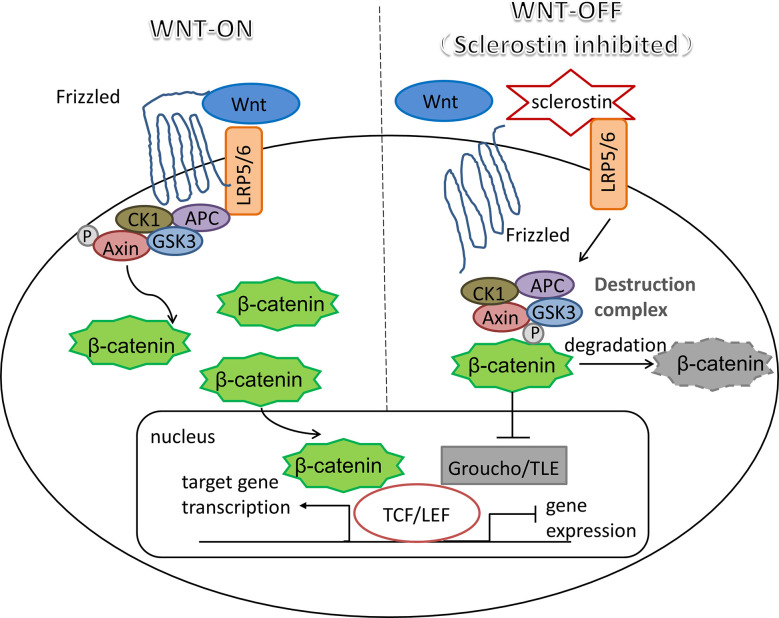
Wnt signaling is one of the fundamental pathways that play a major role in almost every aspect of biological systems. In addition to the well-known influence of Wnt signaling on bone formation, its essential role in the immune system also attracted increasing attention. Sclerostin, a confirmed Wnt antagonist, is also proven to modulate the development and differentiation of normal immune cells, particularly B cells. Aptamers, single-stranded (ss) oligonucleotides, are capable of specifically binding to a variety of target molecules by virtue of their unique three-dimensional structures. With in-depth study of those functional nucleic acids, they have been gradually applied to diagnostic and therapeutic area in immune diseases due to their various advantages over antibodies. In this review, we focus on several issues including the roles of Wnt signaling and Wnt antagonist sclerostin in the immune system. For the sake of understanding, current examples of aptamers applications for the immune diseases are also discussed. At the end of this review, we propose our ideas for the future research directions.
Keywords: B cell malignancies; Wnt signaling pathway; aptamers; immune system; sclerostin.
Copyright © 2021 Sun, Chen, Wu, Yu, Wang, Lu, Zhang and Li.
Conflict of interest statement
The authors declare that the research was conducted in the absence of any commercial or financial relationships that could be construed as a potential conflict of interest.
Figures
References
Publication types
MeSH terms
Substances
LinkOut - more resources
Full Text Sources
Other Literature Sources
Medical
