


Pregnancy in the blind hemi-cavity of Robert's uterus: a case report
- PMID: 33717388
- PMCID: PMC7921196
- DOI: 10.1016/j.radcr.2021.02.013
Pregnancy in the blind hemi-cavity of Robert's uterus: a case report
Erratum in
-
Erratum regarding missing Declaration of Competing Interest statements in previously published articles.Radiol Case Rep. 2022 Sep 29;17(12):4933. doi: 10.1016/j.radcr.2022.08.054. eCollection 2022 Dec. Radiol Case Rep. 2022. PMID: 36311872 Free PMC article.
Abstract
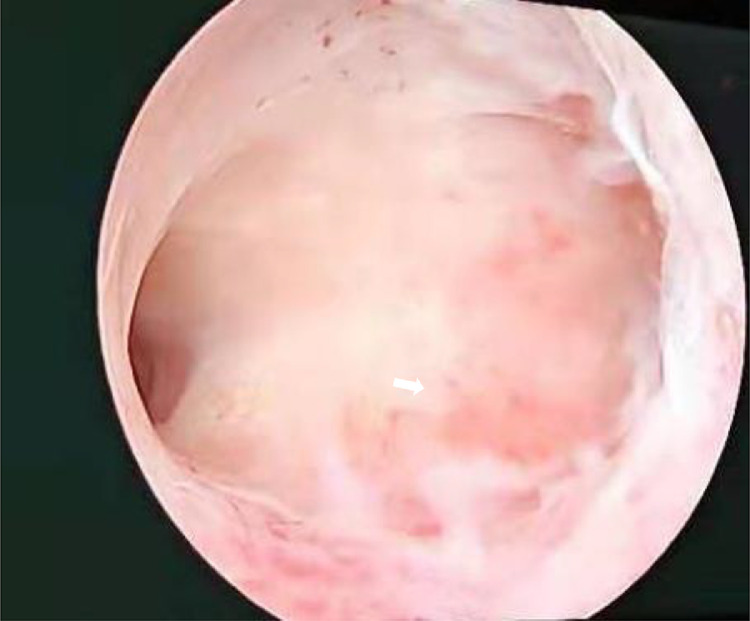
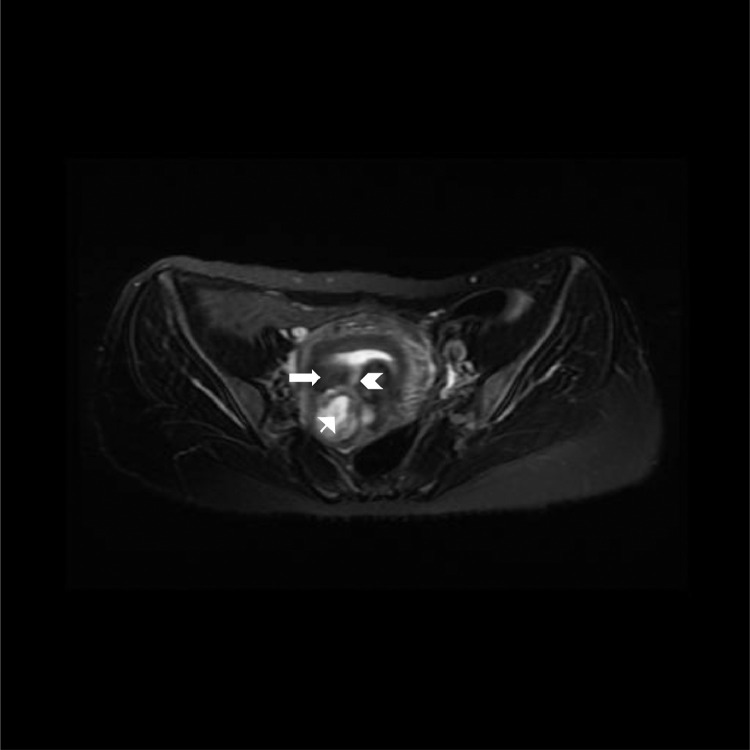
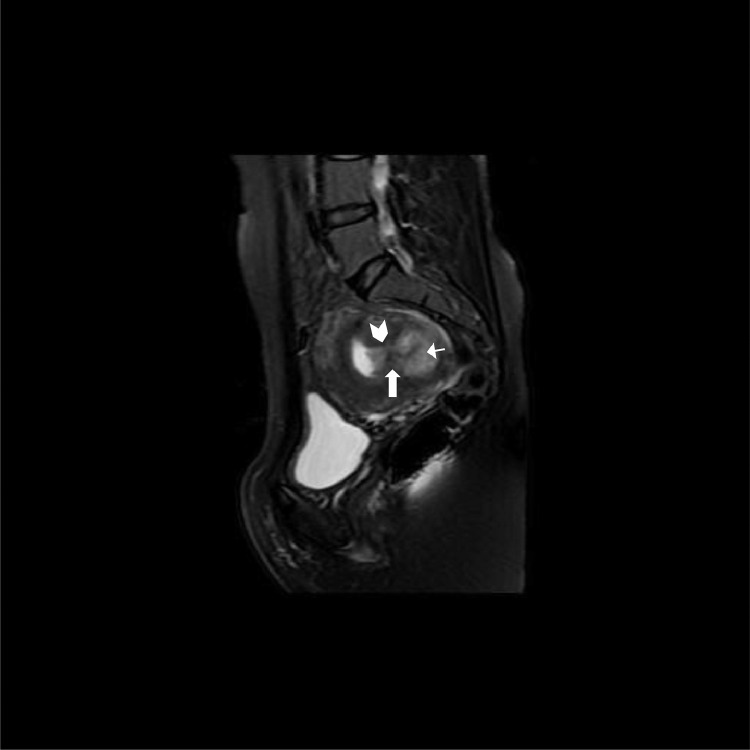
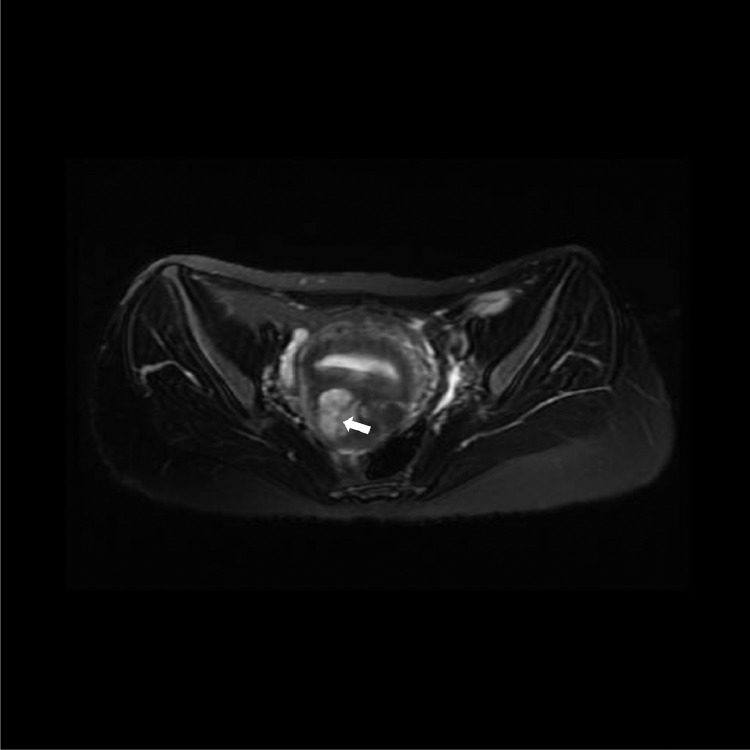
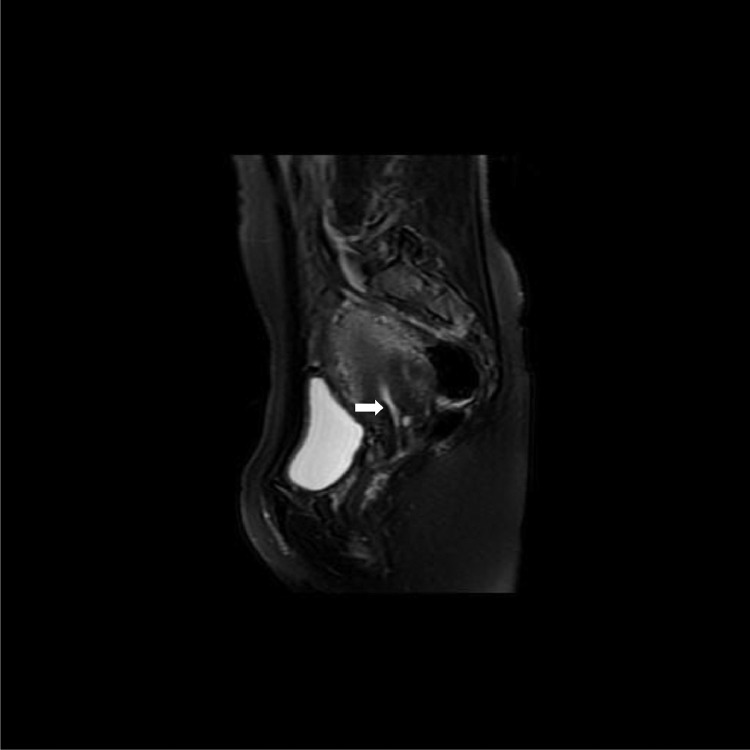
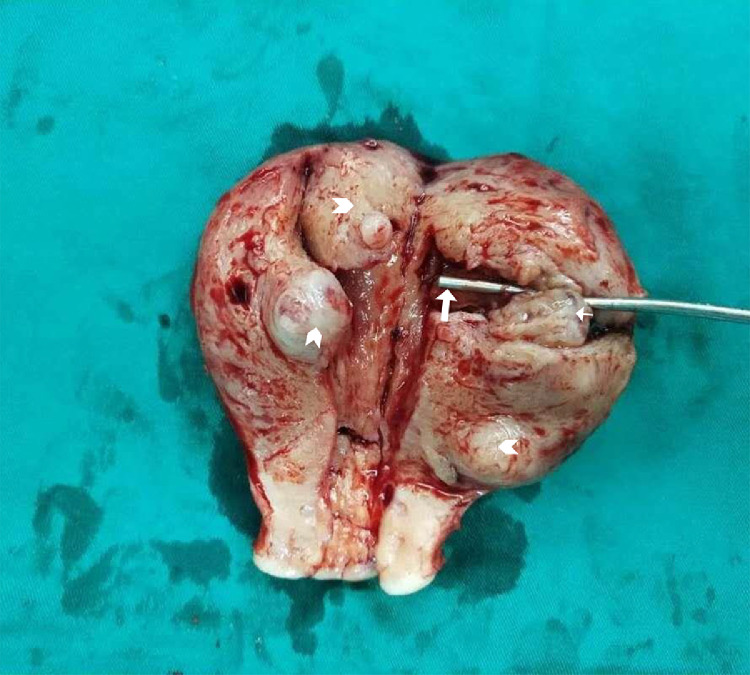
Robert's uterus is a rare Müllerian malformation first characterized by a French gynecologist Héléne Robert in 1969. It represents an asymmetric division of the uterine cavity. A 45-year-old female patient presented with vaginal bleeding and vague abdominal pain for the course of 20 days, with a blood human chorionic gonadotropin level of 10331.00 mIU/mL, and a gestational sac in the right uterine horn without a fetal heart beat revealed by the ultrasound. Ectopic pregnancy in the right uterine horn seemed to be the most likely diagnosis. Laparoscopic and hysteroscopic attempts to terminate the pregnancy failed. A pelvic magnetic resonance imaging (MRI) performed after the surgery demonstrated Robert's uterus with pregnancy in the blind hemicavity. When a pregnancy sac has been revealed by an ultrasound but nothing has been found by a hysteroscopy, a possibility of uterine malformation should be considered. Radiologists and gynecologists should consider the application of MRI for diagnosis of congenital Müllerian uterine anomalies.
Keywords: ASRM, American Society for Reproductive Medicine; CT, computed tomography; MRI, magnetic resonance imaging; Müllerian malformation; Robert's uterus; Septate uterus.
© 2021 Published by Elsevier Inc. on behalf of University of Washington.
Figures
References
-
- Robert H. Asymmetrical bifidities with unilateral menstrual retention (apropos of l2 cases) Chirurgie. 1970;96:796. - PubMed
-
- Benzineb N, Bellasfar M, Merchaoui J. Robert's uterus with menstrual retention in the blind cavity. J Gynecol Obstet Biol Reprod (Paris) 1993;22:366. - PubMed
-
- Gupta N., Mittal S., Dadhwal V., Misra R. A unique congenital mullerian anomaly: Robert's uterus. Arch Gynecol Obstet. 2007;276(6):641–643. - PubMed
-
- Perino A, Chianchiano N, Simonaro C. Endoscopic management of a case of, complete septate uterus with unilateral haematometra. Hum Reprod. 1995;10:2171. - PubMed
-
- Singhal S, Agarwal U, Sharma D, Sirohiwal D. Pregnancy in asymmetric blind hemicavity of Robert’s uterus a previously unreported phenomenon. Eur J Obstet Gynecol Reprod Biol. 2003;107(1):93–95. - PubMed
Publication types
LinkOut - more resources
Full Text Sources
Other Literature Sources
