


Survey of One Health programs in U.S. medical schools and development of a novel one health elective for medical students
- PMID: 33728370
- PMCID: PMC7935703
- DOI: 10.1016/j.onehlt.2021.100231
Survey of One Health programs in U.S. medical schools and development of a novel one health elective for medical students
Abstract
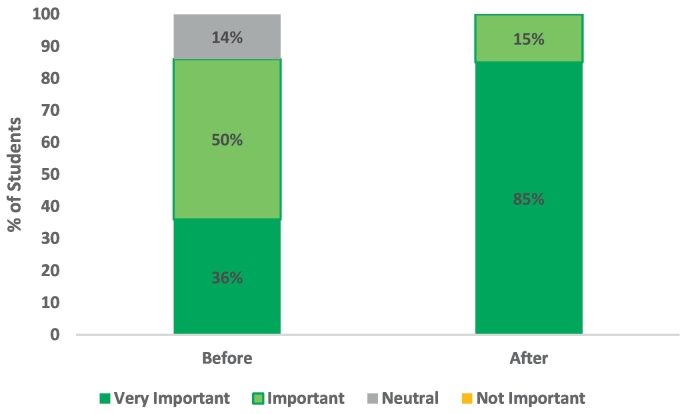
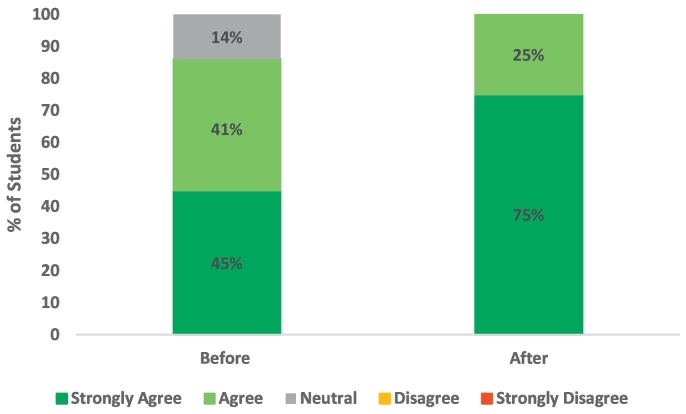
Lessons learned from recent pandemics, such as SARS-CoV-2 have illustrated that education and training in a One Health approach, which recognizes the interdependency of the health of people, animals and the environment, are essential in improving preparations for and responses to disease outbreaks. For this reason and others, there is a critical need to provide One Health (OH) training to medical professionals early in their careers. 133 U.S. medical schools were surveyed for the incorporation of OH learning activities. Results showed that 56% of surveyed programs included OH-related subject matter, primarily in the context of preclinical classroom learning. This supports previous findings that OH education efforts in medical schools lag behind veterinary schools, with many veterinary schools already including OH as a central part of their curricula. A two week OH elective course for third year medical students was developed and implemented at Georgetown University School of Medicine. Topics such as emerging infectious diseases, zoonoses, vector-borne diseases, epidemiology, emergency preparedness, the human-animal bond, and effects of climate change on public health were discussed. The 21 participants were surveyed before and after the course regarding their knowledge and understanding of OH. Participation in the course enhanced the students' knowledge of OH and furthermore, the students' perception of the importance of incorporating OH within the curriculum and in their future careers changed significantly. This study provides clear evidence that successful integration of OH material is achievable at low cost through interdepartmental and interdisciplinary collaboration. A more holistic approach to health care that takes into consideration environmental, wildlife, and domestic animal factors, and introduction of concepts such as OH into the medical school curriculum, can help close the educational gaps identified in the surveys.
Keywords: Curriculum; Medical education; Medical school; Multidisciplinary; One Health; Survey.
© 2021 Published by Elsevier B.V.
Conflict of interest statement
The authors certify that they have no affiliations with or involvement in any organization or entity with any financial or non-financial interest in the subject matter or materials discussed in this manuscript.
Figures
References
-
- Garcia S.N., Osburn B.I., Jay-Russell M.T. One health for food safety, food security, and sustainable food production, front. Sustain. Food Syst. 2020;4 doi: 10.3389/fsufs.2020.00001. - DOI
LinkOut - more resources
Full Text Sources
Other Literature Sources
Miscellaneous
