


Mechanisms of repeat-associated non-AUG translation in neurological microsatellite expansion disorders
- PMID: 33729487
- PMCID: PMC8106499
- DOI: 10.1042/BST20200690
Mechanisms of repeat-associated non-AUG translation in neurological microsatellite expansion disorders
Abstract
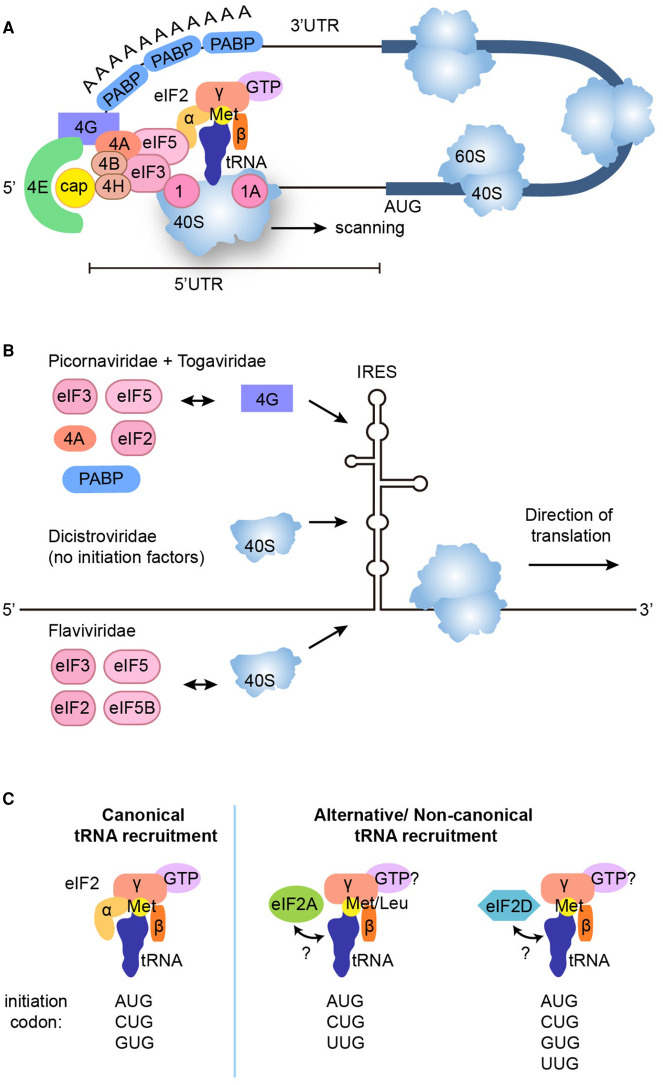
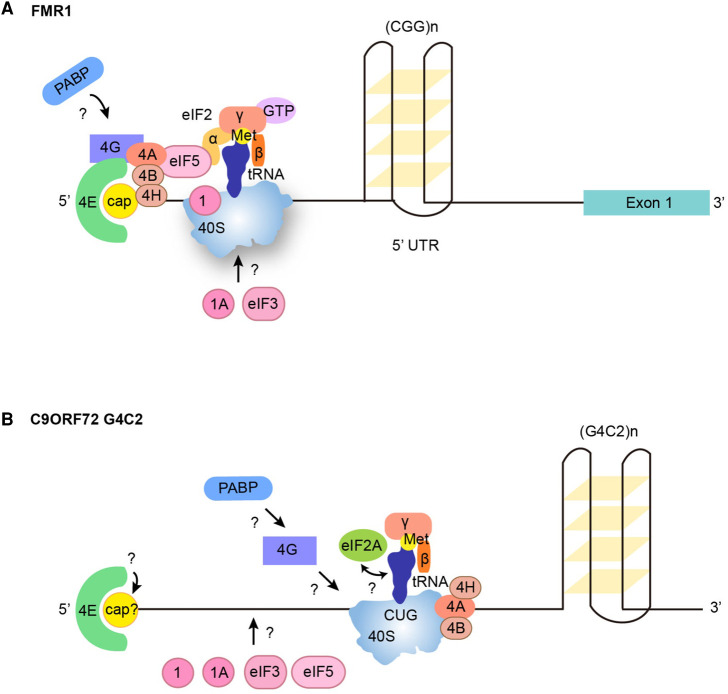
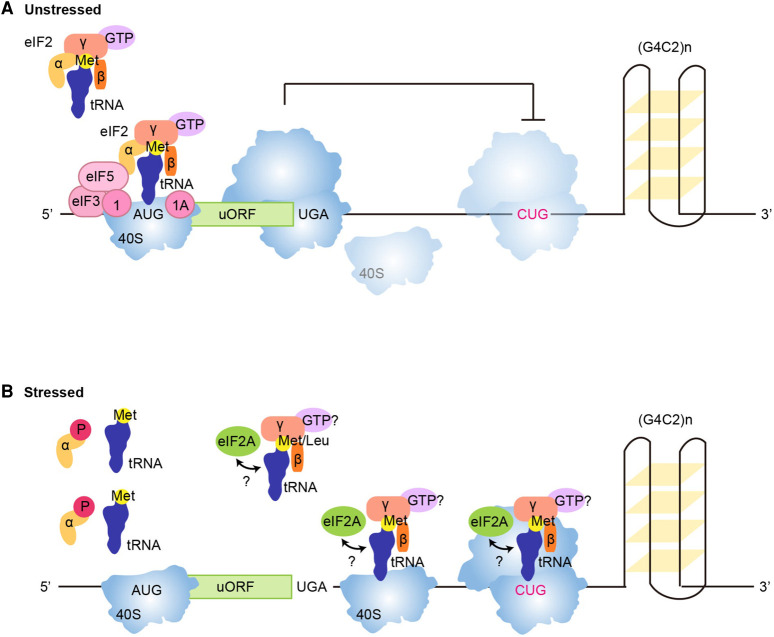
Repeat-associated non-AUG (RAN) translation was discovered in 2011 in spinocerebellar ataxia type 8 (SCA8) and myotonic dystrophy type 1 (DM1). This non-canonical form of translation occurs in all reading frames from both coding and non-coding regions of sense and antisense transcripts carrying expansions of trinucleotide to hexanucleotide repeat sequences. RAN translation has since been reported in 7 of the 53 known microsatellite expansion disorders which mainly present with neurodegenerative features. RAN translation leads to the biosynthesis of low-complexity polymeric repeat proteins with aggregating and cytotoxic properties. However, the molecular mechanisms and protein factors involved in assembling functional ribosomes in absence of canonical AUG start codons remain poorly characterised while secondary repeat RNA structures play key roles in initiating RAN translation. Here, we briefly review the repeat expansion disorders, their complex pathogenesis and the mechanisms of physiological translation initiation together with the known factors involved in RAN translation. Finally, we discuss research challenges surrounding the understanding of pathogenesis and future directions that may provide opportunities for the development of novel therapeutic approaches for this group of incurable neurodegenerative diseases.
Keywords: RAN translation; microsatellite repeat expansion disorders; pathophysiology.
© 2021 The Author(s).
Conflict of interest statement
The authors declare that there are no competing interests associated with the manuscript.
Figures
References
Publication types
MeSH terms
Substances
Supplementary concepts
Grants and funding
LinkOut - more resources
Full Text Sources
Other Literature Sources
Medical
Miscellaneous
