


Protein oxidation - Formation mechanisms, detection and relevance as biomarkers in human diseases
- PMID: 33744200
- PMCID: PMC8113053
- DOI: 10.1016/j.redox.2021.101901
Protein oxidation - Formation mechanisms, detection and relevance as biomarkers in human diseases
Abstract
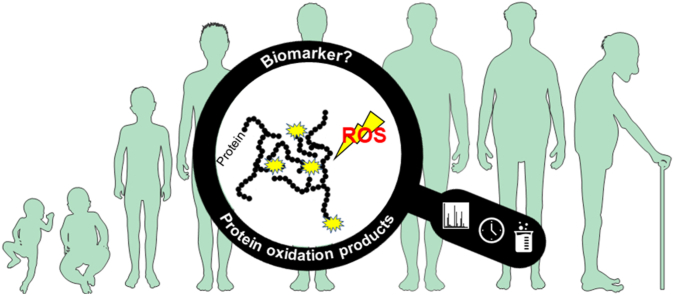
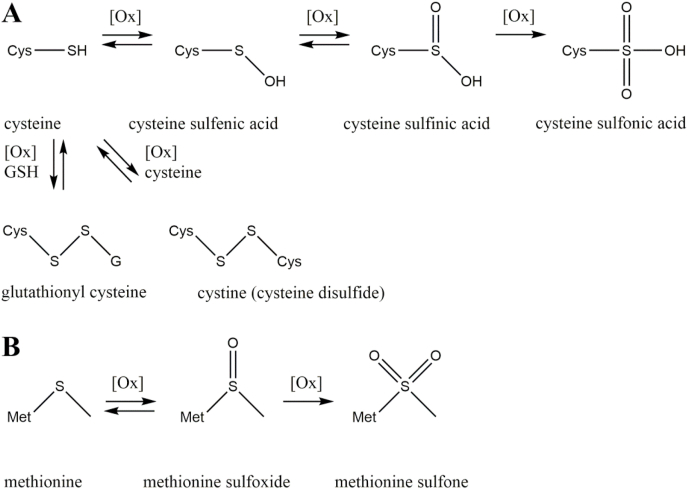
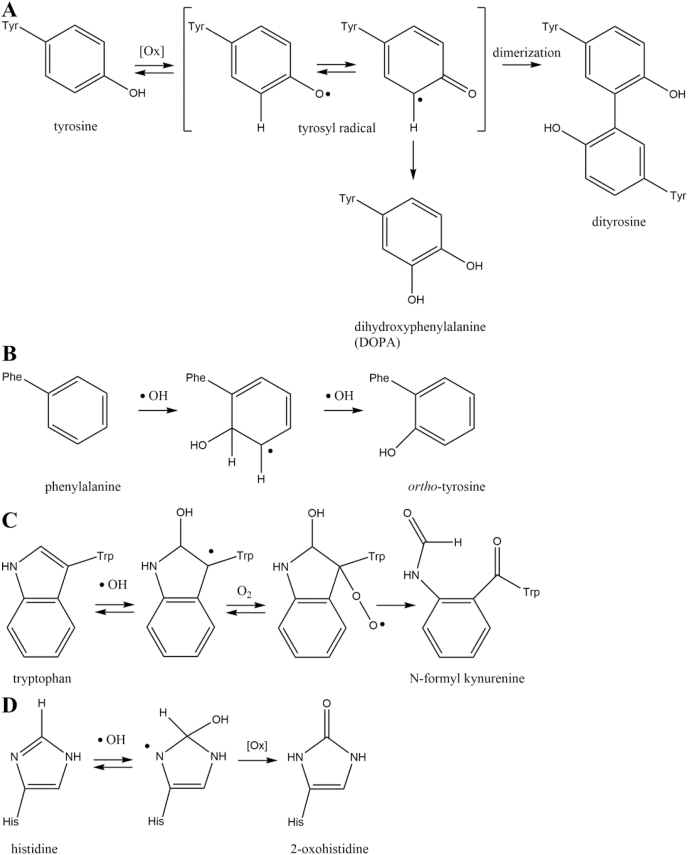
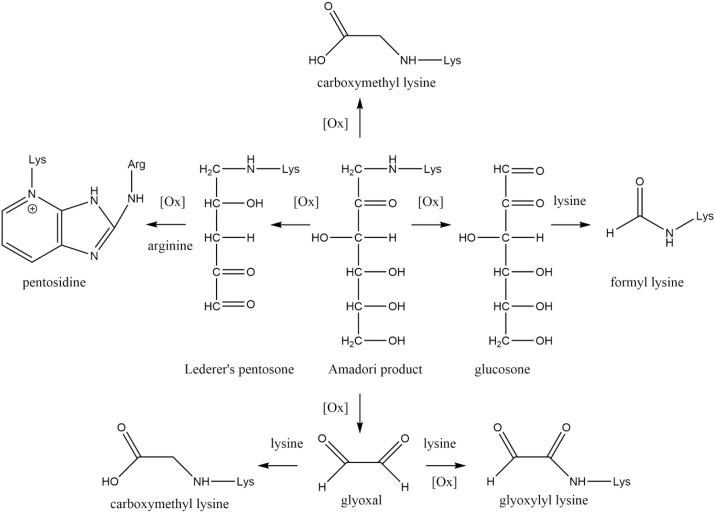
Generation of reactive oxygen species and related oxidants is an inevitable consequence of life. Proteins are major targets for oxidation reactions, because of their rapid reaction rates with oxidants and their high abundance in cells, extracellular tissues, and body fluids. Additionally, oxidative stress is able to degrade lipids and carbohydrates to highly reactive intermediates, which eventually attack proteins at various functional sites. Consequently, a wide variety of distinct posttranslational protein modifications is formed by protein oxidation, glycoxidation, and lipoxidation. Reversible modifications are relevant in physiological processes and constitute signaling mechanisms ("redox signaling"), while non-reversible modifications may contribute to pathological situations and several diseases. A rising number of publications provide evidence for their involvement in the onset and progression of diseases as well as aging processes. Certain protein oxidation products are chemically stable and formed in large quantity, which makes them promising candidates to become biomarkers of oxidative damage. Moreover, progress in the development of detection and quantification methods facilitates analysis time and effort and contributes to their future applicability in clinical routine. The present review outlines the most important classes and selected examples of oxidative protein modifications, elucidates the chemistry beyond their formation and discusses available methods for detection and analysis. Furthermore, the relevance and potential of protein modifications as biomarkers in the context of disease and aging is summarized.
Keywords: Aging; Biomarker; Oxidative stress; Protein modification; Protein oxidation.
Copyright © 2021 The Author(s). Published by Elsevier B.V. All rights reserved.
Figures
References
-
- Sies H. Strategies of antioxidant defense. Eur. J. Biochem. 1993;215:213–219. - PubMed
-
- Hughes M.N., Nicklin H.G. A possible role for the species peroxonitrite in nitrification. Biochim. Biophys. Acta. 1970;222:660–661. - PubMed
-
- Kregel K.C., Zhang H.J. An integrated view of oxidative stress in aging: basic mechanisms, functional effects, and pathological considerations. Am. J. Physiol. Regul. Integr. Comp. Physiol. 2007;292:R18–R36. - PubMed
-
- Sies H., Berndt C., Jones D.P. Oxidative stress. Annu. Rev. Biochem. 2017;86:715–748. - PubMed
Publication types
MeSH terms
Substances
LinkOut - more resources
Full Text Sources
Other Literature Sources
