


The Spectrum of PRRT2-Associated Disorders: Update on Clinical Features and Pathophysiology
- PMID: 33746883
- PMCID: PMC7969989
- DOI: 10.3389/fneur.2021.629747
The Spectrum of PRRT2-Associated Disorders: Update on Clinical Features and Pathophysiology
Abstract
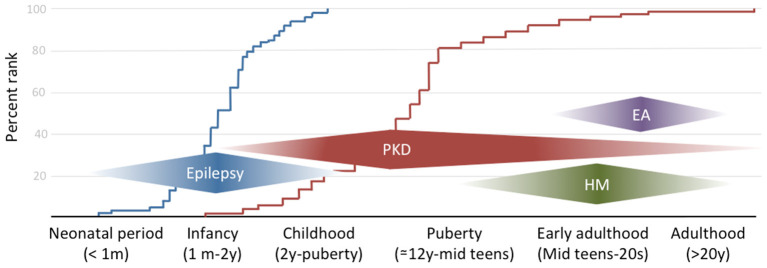
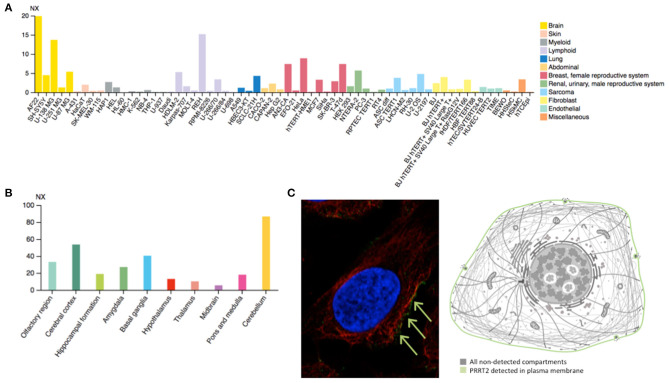
Mutations in the PRRT2 (proline-rich transmembrane protein 2) gene have been identified as the main cause of an expanding spectrum of disorders, including paroxysmal kinesigenic dyskinesia and benign familial infantile epilepsy, which places this gene at the border between epilepsy and movement disorders. The clinical spectrum has largely expanded to include episodic ataxia, hemiplegic migraine, and complex neurodevelopmental disorders in cases with biallelic mutations. Prior to the discovery of PRRT2 as the causative gene for this spectrum of disorders, the sensitivity of paroxysmal kinesigenic dyskinesia to anticonvulsant drugs regulating ion channel function as well as the co-occurrence of epilepsy in some patients or families fostered the hypothesis this could represent a channelopathy. However, recent evidence implicates PRRT2 in synapse functioning, which disproves the "channel hypothesis" (although PRRT2 modulates ion channels at the presynaptic level), and justifies the classification of these conditions as synaptopathies, an emerging rubric of brain disorders. This review aims to provide an update of the clinical and pathophysiologic features of PRRT2-associated disorders.
Keywords: benign familial infantile seizures; cerebellum; hemiplegic migraine; paroxysmal kinesigenic dyskinesia; synaptic dysfunction.
Copyright © 2021 Landolfi, Barone and Erro.
Conflict of interest statement
The authors declare that the research was conducted in the absence of any commercial or financial relationships that could be construed as a potential conflict of interest. The Handling Editor declared a past co-authorship with one of the authors RE.
Figures
References
Publication types
LinkOut - more resources
Full Text Sources
Other Literature Sources
Medical
