


Pleiotropic Effects of Eugenol: The Good, the Bad, and the Unknown
- PMID: 33747344
- PMCID: PMC7943301
- DOI: 10.1155/2021/3165159
Pleiotropic Effects of Eugenol: The Good, the Bad, and the Unknown
Abstract
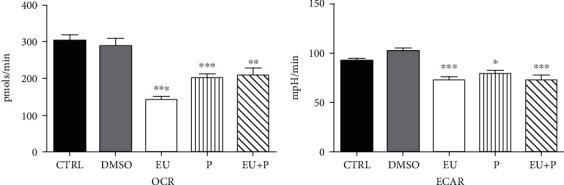
Phytocompounds and medicinal herbs were used in traditional ancient medicine and are nowadays increasingly screened in both experimental and clinical settings due to their beneficial effects in several major pathologies. Similar to the drug industry, phytotherapy is interested in using nanobased delivery systems to view the identification and characterization of the cellular and molecular therapeutic targets of plant components. Eugenol, the major phenolic constituent of clove essential oil, is a particularly versatile phytochemical with a vast range of therapeutic properties, among which the anti-inflammatory, antioxidant, and anticarcinogenic effects have been systematically addressed. In the past decade, with the emerging understanding of the role of mitochondria as critical organelles in the pathophysiology of noncommunicable diseases, research regarding the role of phytochemicals as modulators of bioenergetics and metabolism is on a rise. Here, we present a brief overview of the major pharmacological properties of eugenol, with special emphasis on its applications in dental medicine, and provide preliminary data regarding its effects, alone, and included in polyurethane nanostructures, on mitochondrial bioenergetics, and glycolysis in human HaCaT keratinocytes.
Copyright © 2021 Oana M. Aburel et al.
Conflict of interest statement
The authors declare no conflict of interest.
Figures
References
-
- Raja M. Versatile and synergistic potential of eugenol: a review. Pharmaceutica Analytica Acta. 2015;6(5) doi: 10.4172/2153-2435.1000367. - DOI
-
- Najjar R. S., Alamoudi N. M., El-Housseiny A. A., Al Tuwirqi A. A., Sabbagh H. J. A comparison of calcium hydroxide/iodoform paste and zinc oxide eugenol as root filling materials for pulpectomy in primary teeth: a systematic review and meta‐analysis. Clinical and Experimental Dental Research. 2019;5(3):294–310. doi: 10.1002/cre2.173. - DOI - PMC - PubMed
-
- Pichika M. R., Mak K.-K., Kamal M. B., et al. A comprehensive review on eugenol’s antimicrobial properties and industry applications: a transformation from ethnomedicine to industry. Pharmacognosy Reviews. 2019;13(25):1–9. doi: 10.4103/phrev.phrev_46_18. - DOI
Publication types
MeSH terms
Substances
LinkOut - more resources
Full Text Sources
Other Literature Sources
Research Materials
Miscellaneous
