


Comparative profiling of lactic acid bacteria isolates in optimized and spontaneous fermentation of cowpea leaves
- PMID: 33747476
- PMCID: PMC7958546
- DOI: 10.1002/fsn3.2140
Comparative profiling of lactic acid bacteria isolates in optimized and spontaneous fermentation of cowpea leaves
Abstract
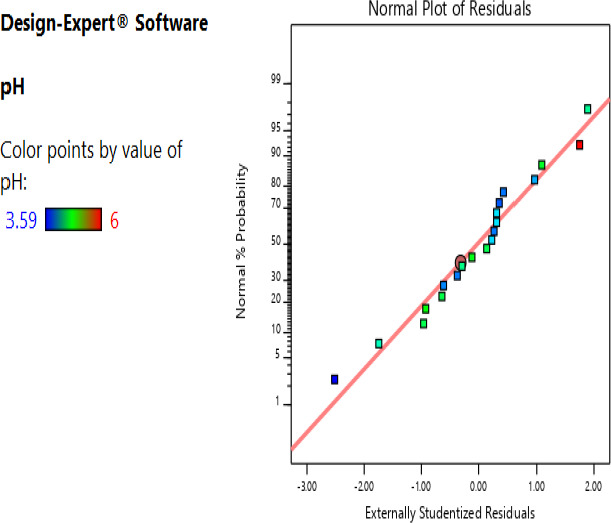
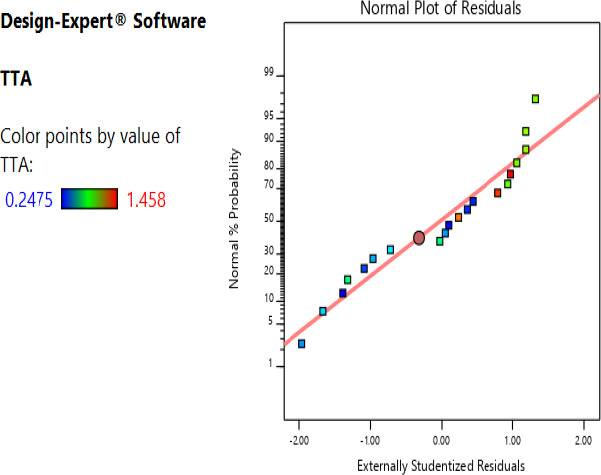
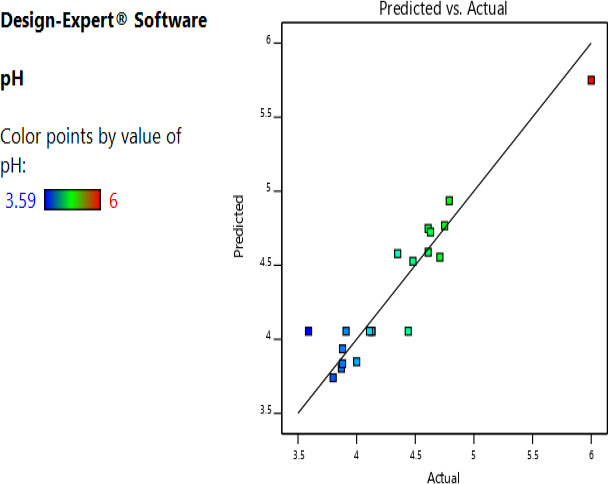
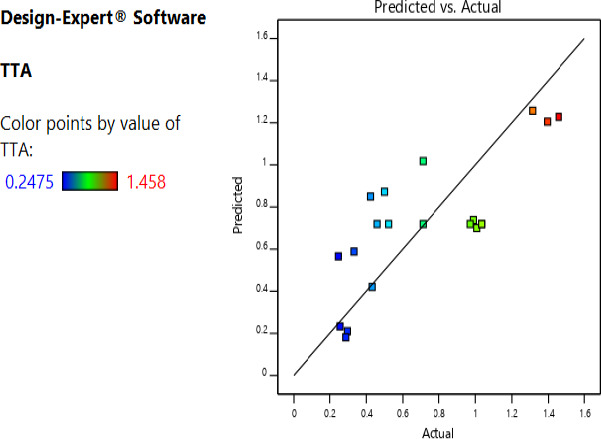
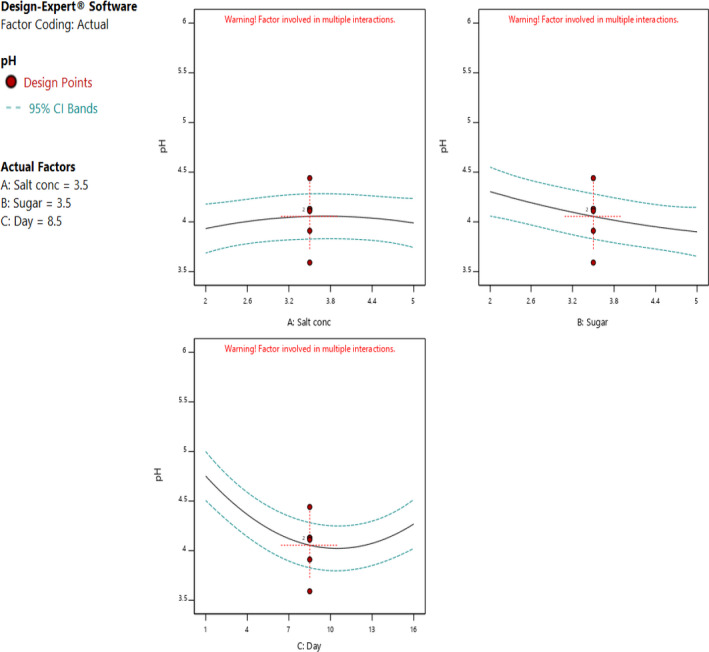
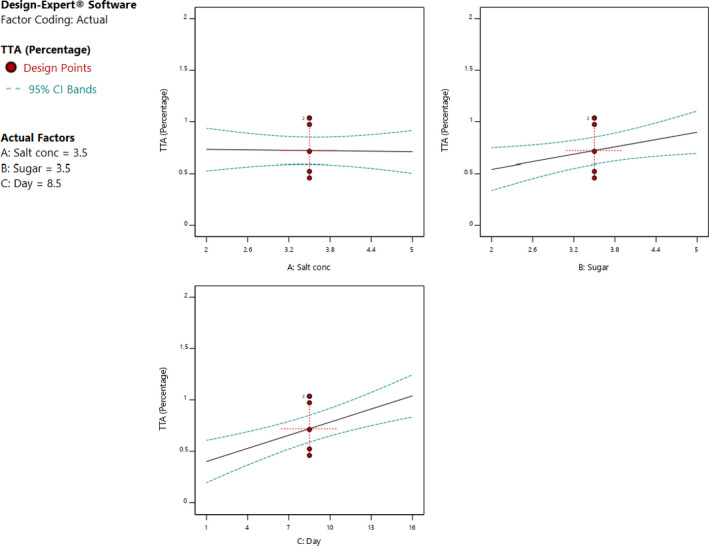
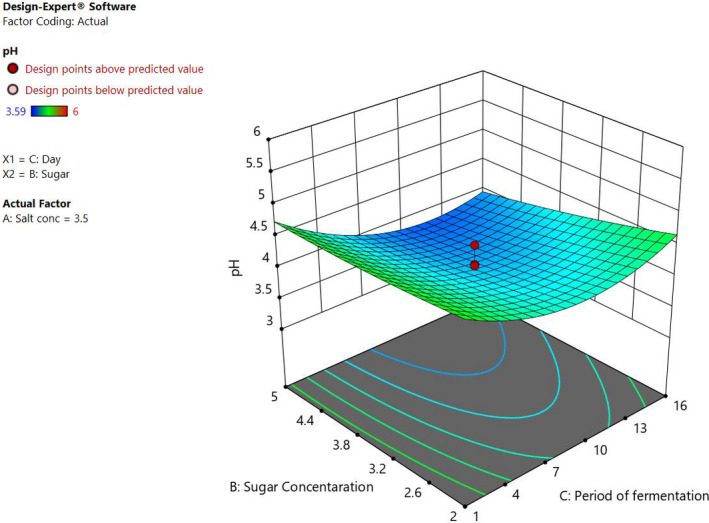
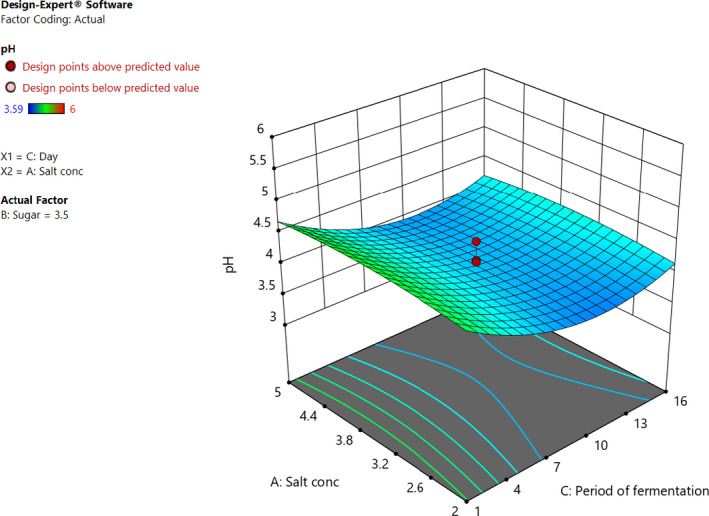
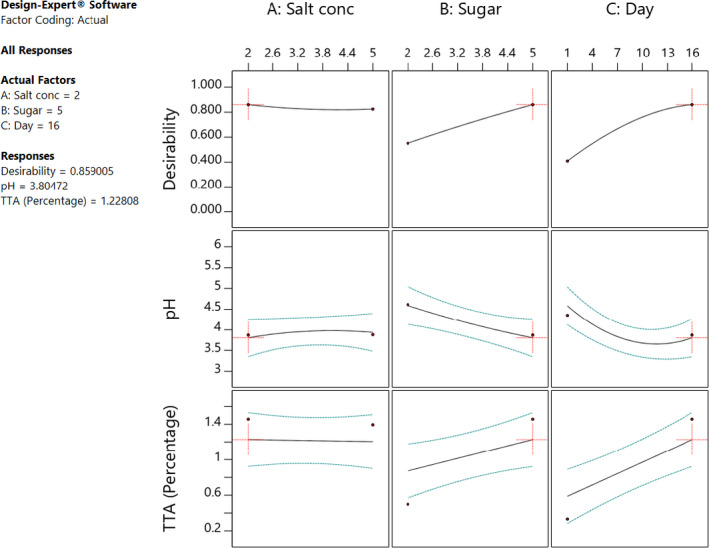
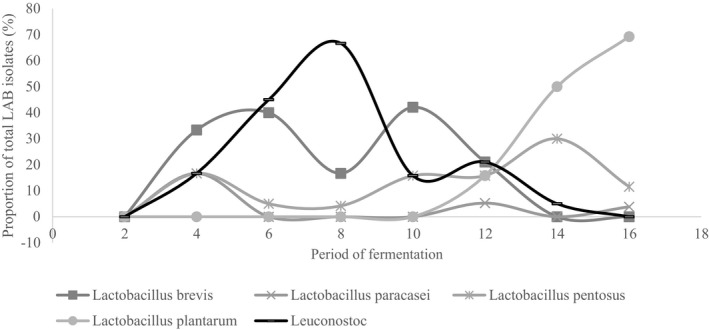
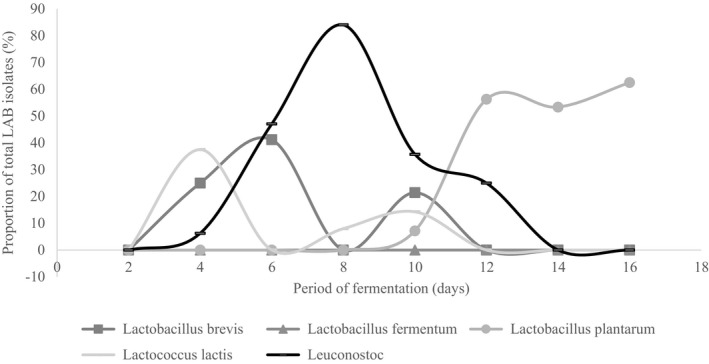
In as much as spontaneous fermentation of cowpea leaves enhances product diversification, the process is rather slow with poor product quality. Limited work has been undertaken to provide input toward standardization of the process and enhancing of product quality. The current study sought to evaluate the in-process fermentative bacteria profile changes due to the effect of optimization of fermentation process of cowpea leaves. Lactic acid bacteria (LAB) isolates from spontaneous and optimized fermentation were characterized using biochemical tests, whereby optimization was done using the Response Surface Methodology model of the central composite design in the Design Expert Software. The RSM models accounted for 89% and 60% variability in the response variables of pH and titratable acidity, respectively (p < .001). Increasing the sugar concentration and period of fermentation significantly (p < .05) increased the titratable acidity, while reducing the pH. The optimal fermentation parameters were established as sugar and salt concentrations of 5% and 2%, respectively, 16 days of fermentation, pH of 3.8 and titratable acidity of 1.22% with a desirability of 0.859. Of the 13 identified LAB isolates, Lactobacillus brevis and Lactococcus lactis dominated the onset stage of spontaneous fermentation whereas only Lactobacillus brevis dominated the onset stage of optimized fermentation. Additionally, the final stage with the dominant isolates of L. plantarum was longer in the spontaneous fermentation process than in the optimized process. Evidently, optimizing the fermentation process resulted in increasing dominance by heterofermenters in the production of soured cowpea leaves, with the yielded product having enhanced acidity.
Keywords: biochemical; cowpea leaves; fermented; pH; response surface methodology; titratable acidity.
© 2021 The Authors. Food Science & Nutrition published by Wiley Periodicals LLC.
Conflict of interest statement
None.
Figures
References
-
- AOAC (2005). Official Methods of Analysis of AOAC International (18th ed). AOAC International.
-
- Arslan, F. N. , & Kara, H. (2017). Central composite design and response surface methodology for the optimization of Ag+‐HPLC/ELSD method for triglyceride profiling. Journal of Food Measurement and Characterization, 11, 902–912. 10.1007/s11694-016-9462-5 - DOI
-
- Ayed, L. , M’Hir, S. , & Hamdi, M. (2020). Microbiological, Biochemical, and Functional Aspects of Fermented Vegetable and Fruit Beverages. Journal of Chemistry, 2020, 1–12. 10.1155/2020/5790432 - DOI
LinkOut - more resources
Full Text Sources
Other Literature Sources
Miscellaneous
