


Genome-wide association study and gene network analyses reveal potential candidate genes for high night temperature tolerance in rice
- PMID: 33762605
- PMCID: PMC7991035
- DOI: 10.1038/s41598-021-85921-z
Genome-wide association study and gene network analyses reveal potential candidate genes for high night temperature tolerance in rice
Abstract
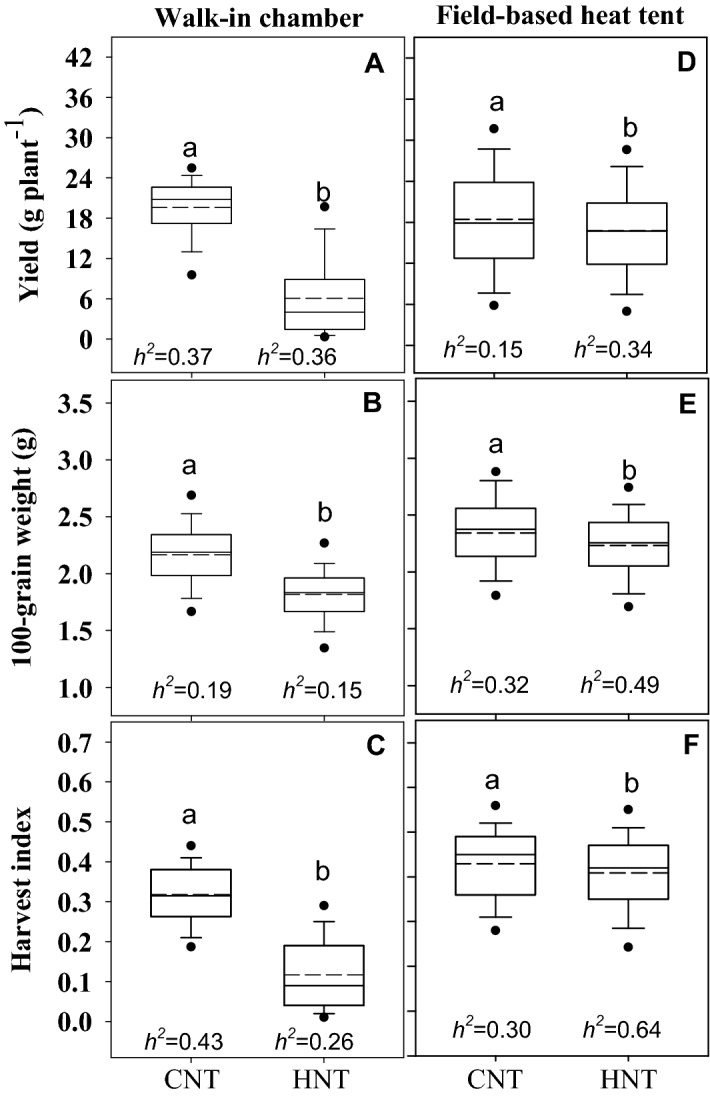
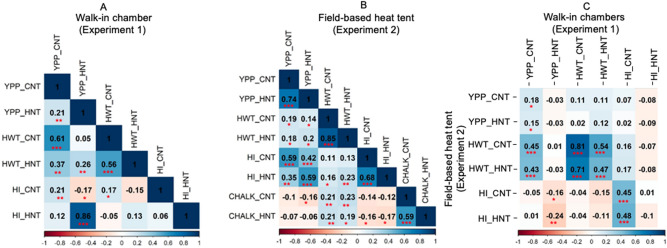
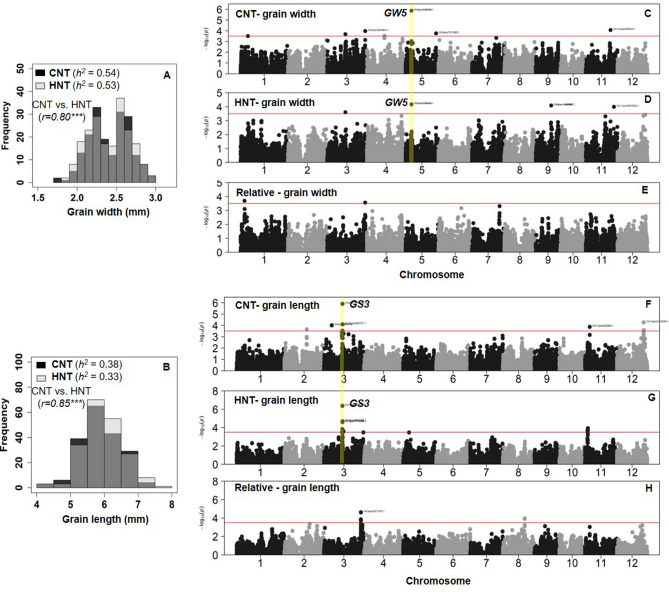
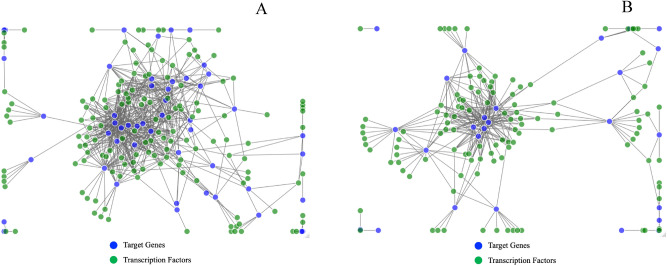
High night temperatures (HNT) are shown to significantly reduce rice (Oryza sativa L.) yield and quality. A better understanding of the genetic architecture of HNT tolerance will help rice breeders to develop varieties adapted to future warmer climates. In this study, a diverse indica rice panel displayed a wide range of phenotypic variability in yield and quality traits under control night (24 °C) and higher night (29 °C) temperatures. Genome-wide association analysis revealed 38 genetic loci associated across treatments (18 for control and 20 for HNT). Nineteen loci were detected with the relative changes in the traits between control and HNT. Positive phenotypic correlations and co-located genetic loci with previously cloned grain size genes revealed common genetic regulation between control and HNT, particularly grain size. Network-based predictive models prioritized 20 causal genes at the genetic loci based on known gene/s expression under HNT in rice. Our study provides important insights for future candidate gene validation and molecular marker development to enhance HNT tolerance in rice. Integrated physiological, genomic, and gene network-informed approaches indicate that the candidate genes for stay-green trait may be relevant to minimizing HNT-induced yield and quality losses during grain filling in rice by optimizing source-sink relationships.
Conflict of interest statement
The authors declare no competing interests.
Figures

References
-
- Wassmann, R. et al. Regional vulnerability of climate change impacts on Asian rice production and scope for adaptation. in Advances in Agronomy vol. 102 91–133 (Academic Press, 2009).
-
- Intergovernmental Panel on Climate Change. Climate Change 2014 Mitigation of Climate Change: Working Group III Contribution to the Fifth Assessment Report of the Intergovernmental Panel on Climate Change. (Cambridge University Press, 2014). doi:10.1017/CBO9781107415416.
-
- Intergovernmental Panel on Climate Change. IPCC. Global Warming of 1.5°C. An IPCC Special Report on the impacts of global warming of 1.5°C above pre-industrial levels and related global greenhouse gas emission pathways, in the context of strengthening the global response to the threat of climate change, sustainable development, and efforts to eradicate poverty. (2018).
Publication types
MeSH terms
LinkOut - more resources
Full Text Sources
Other Literature Sources
Molecular Biology Databases
