


Metagenomic analysis exploring taxonomic and functional diversity of bacterial communities of a Himalayan urban fresh water lake
- PMID: 33764980
- PMCID: PMC7993826
- DOI: 10.1371/journal.pone.0248116
Metagenomic analysis exploring taxonomic and functional diversity of bacterial communities of a Himalayan urban fresh water lake
Retraction in
-
Retraction: Metagenomic analysis exploring taxonomic and functional diversity of bacterial communities of a Himalayan urban fresh water lake.PLoS One. 2022 Oct 21;17(10):e0275944. doi: 10.1371/journal.pone.0275944. eCollection 2022. PLoS One. 2022. PMID: 36269715 Free PMC article. No abstract available.
Abstract
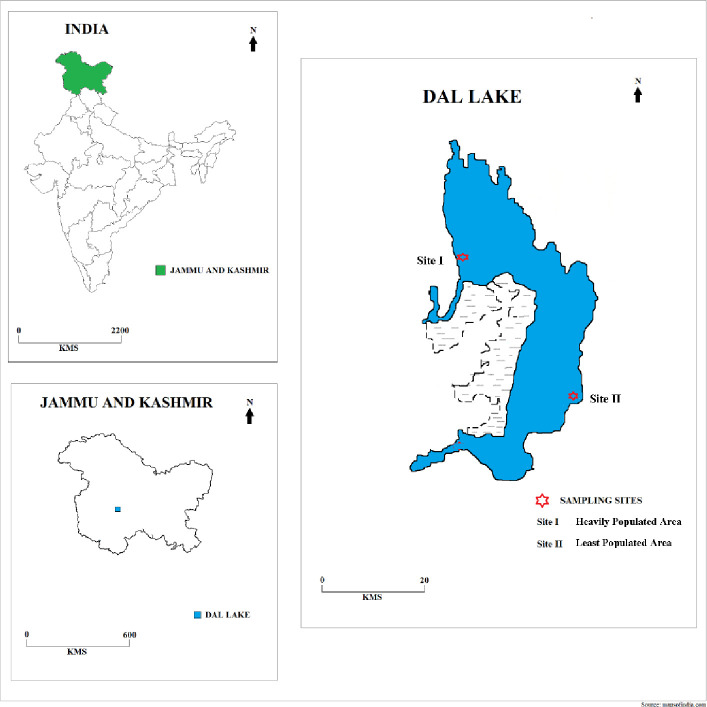
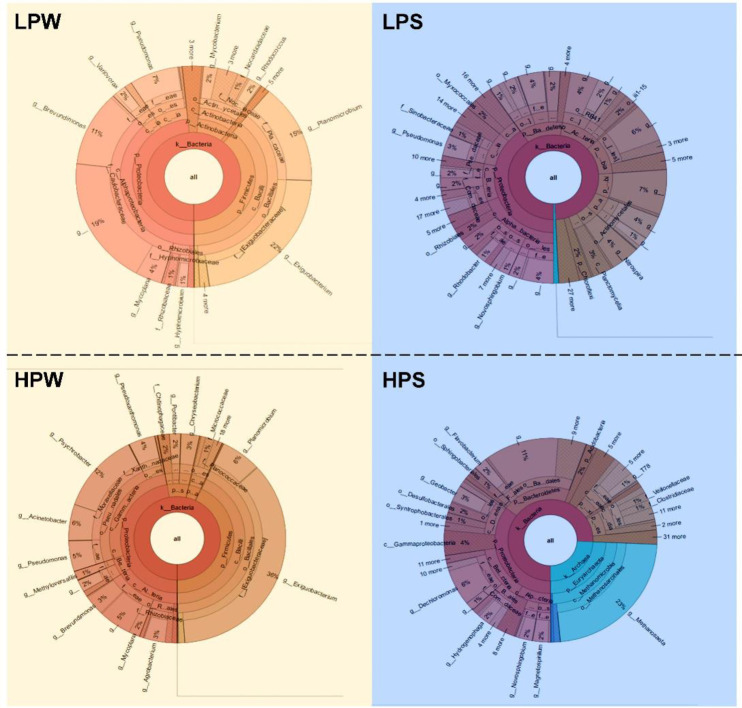
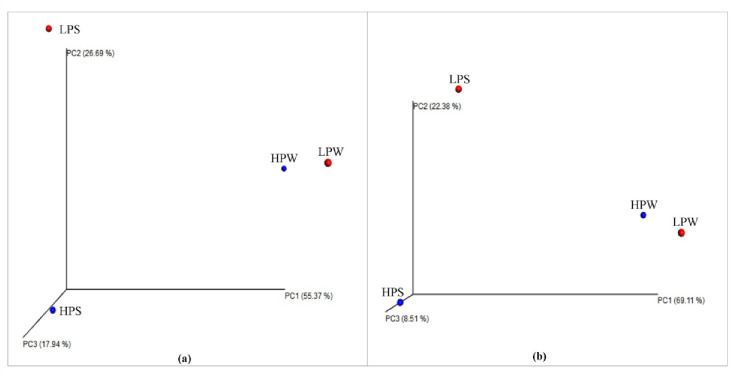
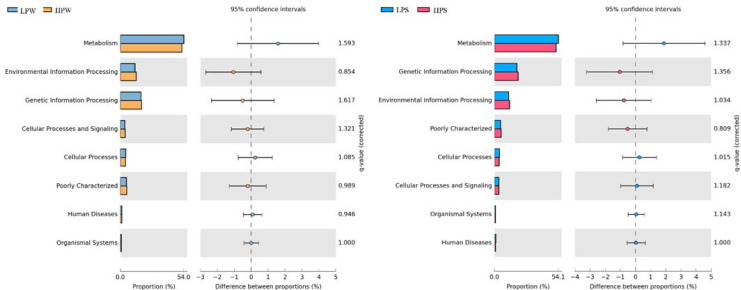
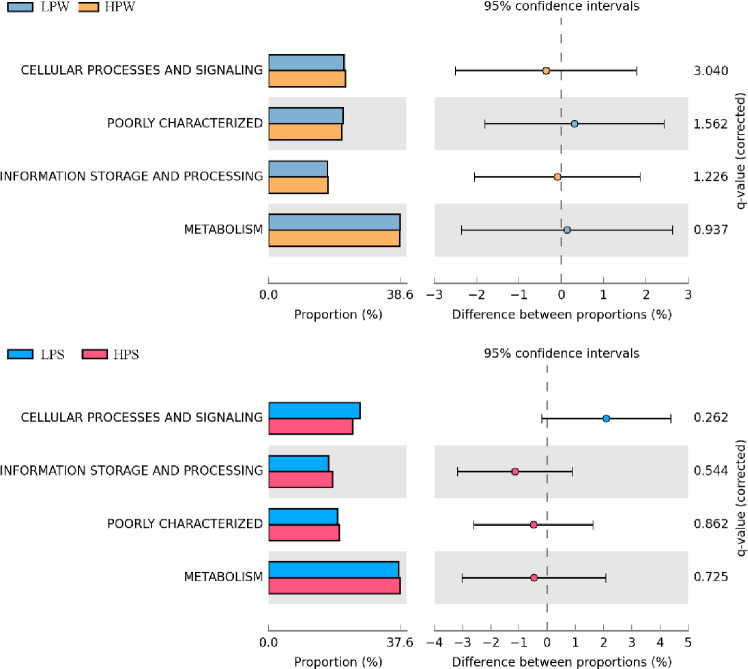
Freshwater lakes present an ecological border between humans and a variety of host organisms. The present study was designed to evaluate the microbiota composition and distribution in Dal Lake at Srinagar, India. The non-chimeric sequence reads were classified taxonomically into 49 phyla, 114 classes, 185 orders, 244 families and 384 genera. Proteobacteria was found to be the most abundant bacterial phylum in all the four samples. The highest number of observed species was found to be 3097 in sample taken from least populated area during summer (LPS) whereas the summer sample from highly populated area (HPS) was found most diverse among all as indicated by taxonomic diversity analysis. The QIIME output files were used for PICRUSt analysis to assign functional attributes. The samples exhibited a significant difference in their microbial community composition and structure. Comparative analysis of functional pathways indicated that the anthropogenic activities in populated areas and higher summer temperature, both decrease functional potential of the Lake microbiota. This is probably the first study to demonstrate the comparative taxonomic diversity and functional composition of an urban freshwater lake amid its highly populated and least populated areas during two extreme seasons (winter and summer).
Conflict of interest statement
The authors have declared that no competing interests exist.
Figures
References
Publication types
MeSH terms
LinkOut - more resources
Full Text Sources
Other Literature Sources
