


Propranolol Decreases Fear Expression by Modulating Fear Memory Traces
- PMID: 33766406
- PMCID: PMC8201901
- DOI: 10.1016/j.biopsych.2021.01.005
Propranolol Decreases Fear Expression by Modulating Fear Memory Traces
Abstract
Background: Posttraumatic stress disorder can develop after a traumatic event and results in heightened, inappropriate fear and anxiety. Although approximately 8% of the U.S. population is affected by posttraumatic stress disorder, only two drugs have been approved by the Food and Drug Administration to treat it, both with limited efficacy. Propranolol, a nonselective β-adrenergic antagonist, has shown efficacy in decreasing exaggerated fear, and there has been renewed interest in using it to treat fear disorders.
Methods: Here, we sought to determine the mechanisms by which propranolol attenuates fear by utilizing an activity-dependent tagging system, ArcCreERT2 x eYFP mice. 129S6/SvEv mice were administered a 4-shock contextual fear conditioning paradigm followed by immediate or delayed context reexposures. Saline or propranolol was administered either before or after the first context reexposure. To quantify hippocampal, prefrontal, and amygdalar memory traces, ArcCreERT2 x eYFP mice were administered a delayed context reexposure with either a saline or propranolol injection before context reexposure.
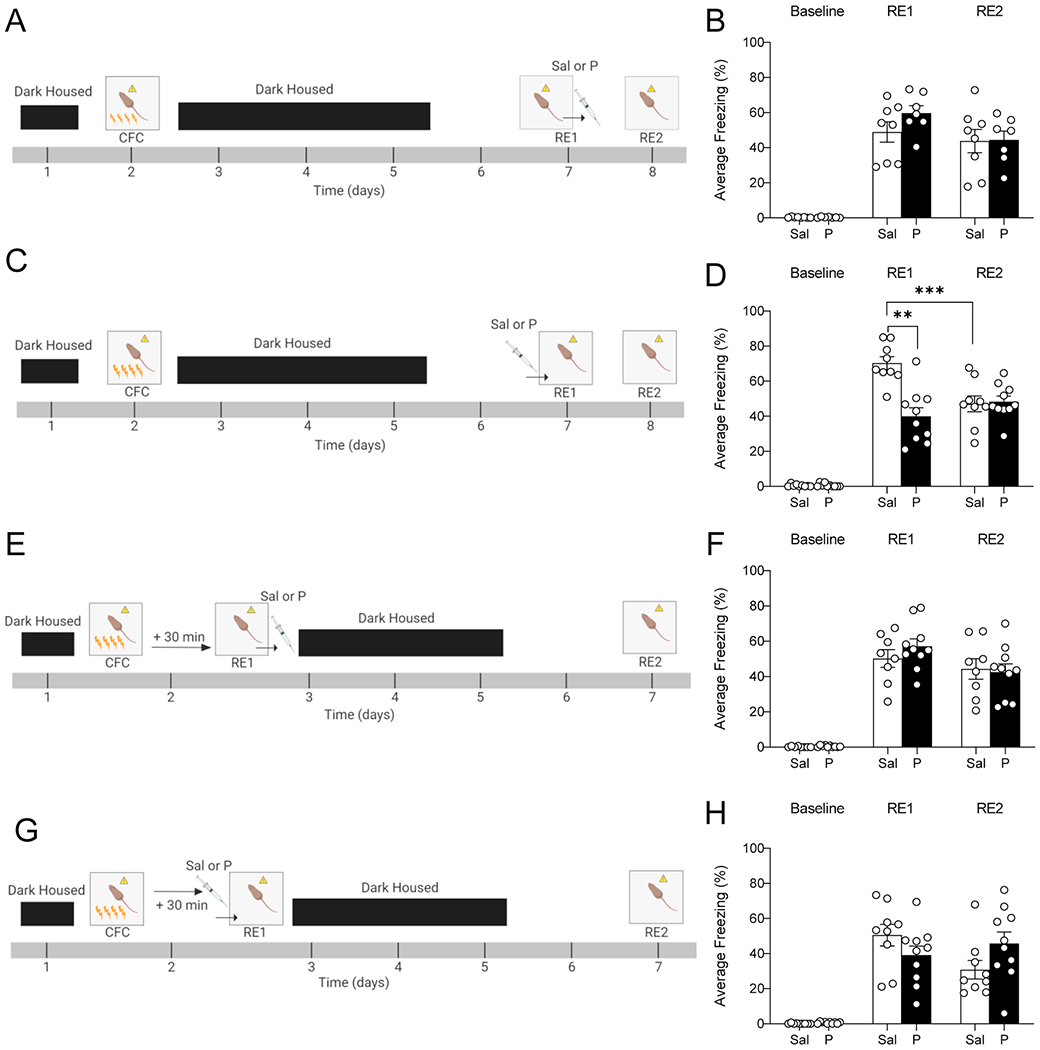
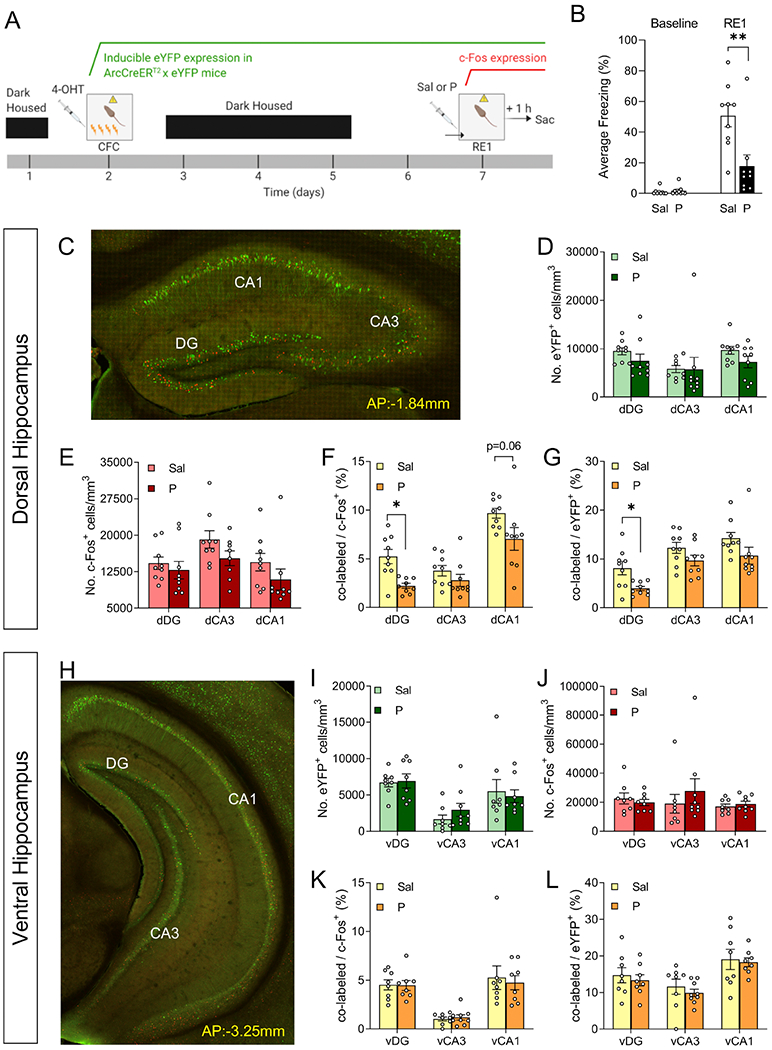
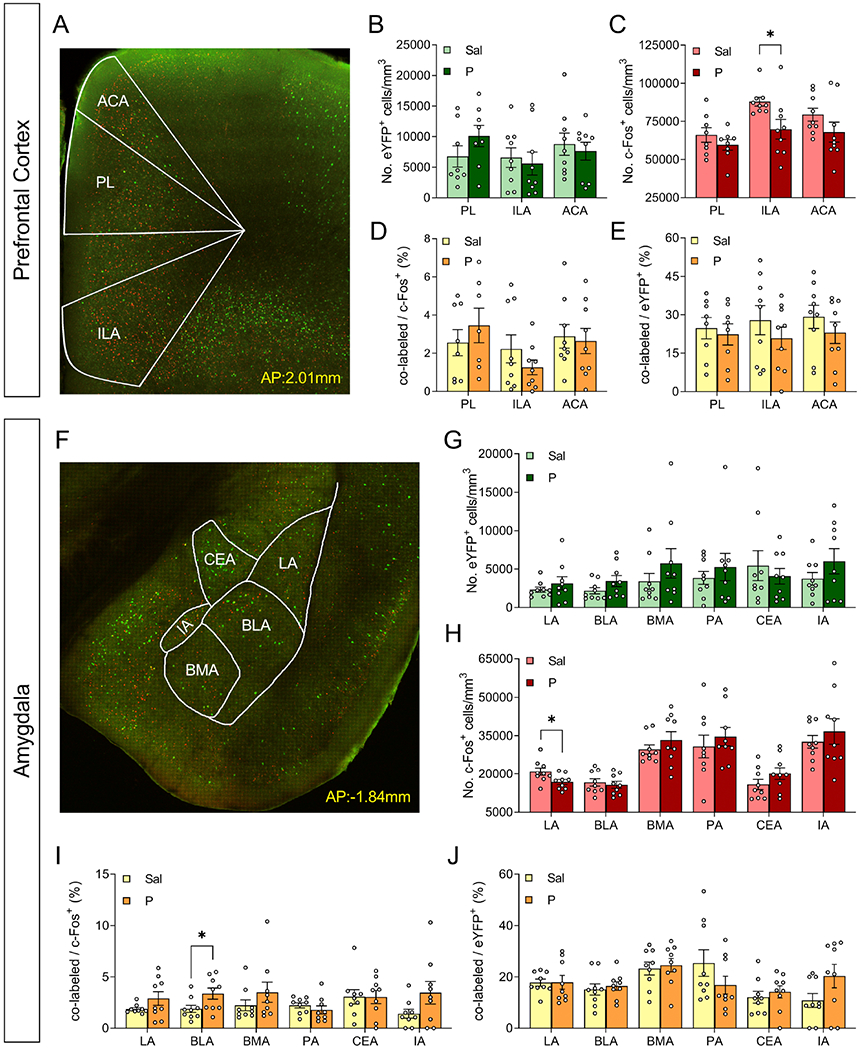
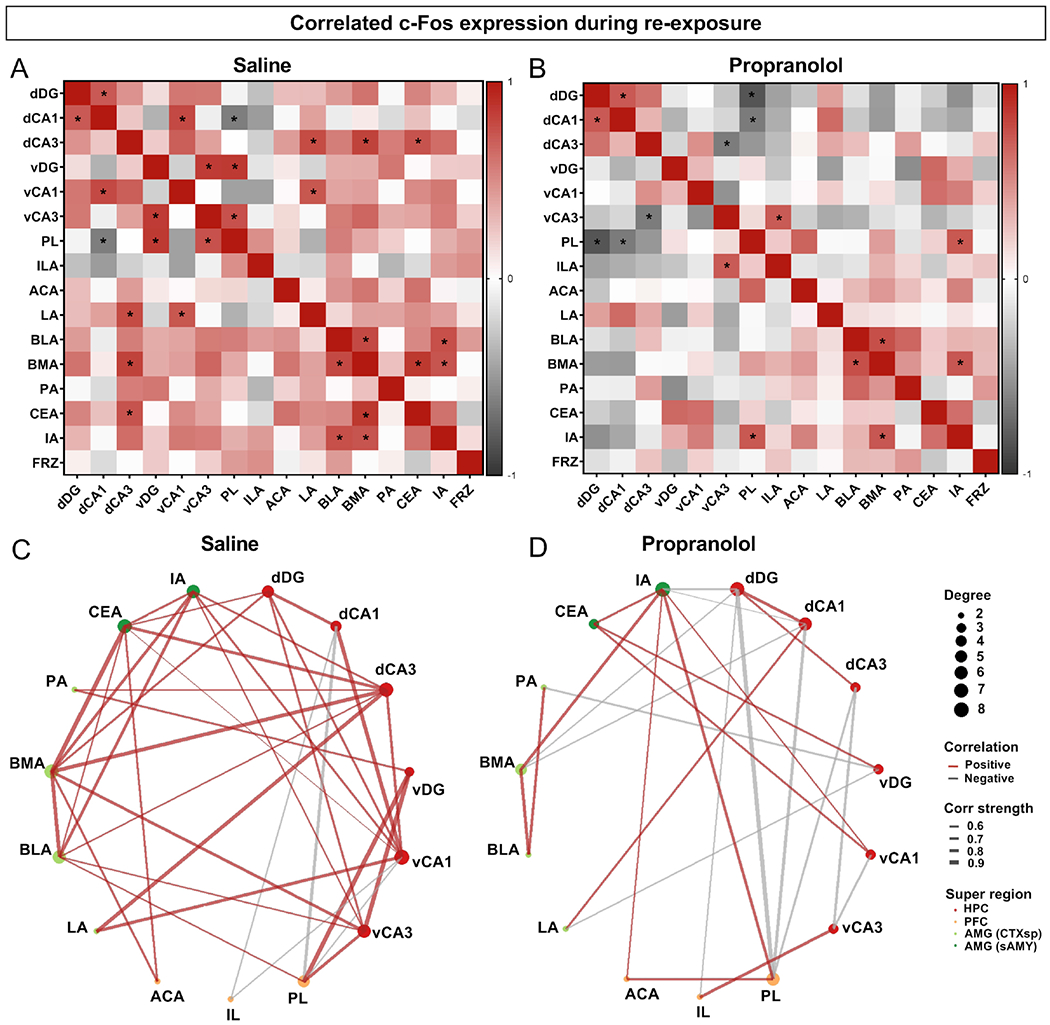
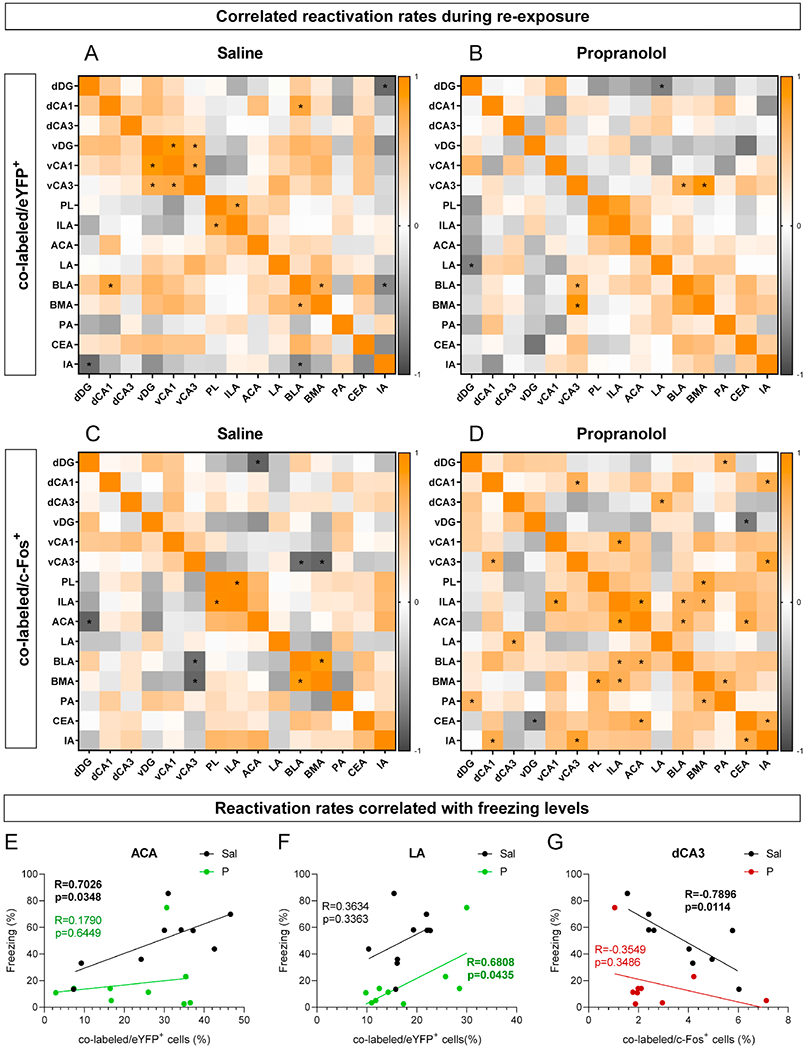
Results: Propranolol decreased fear expression only when administered before a delayed context reexposure. Fear memory traces were affected in the dorsal dentate gyrus and basolateral amygdala after propranolol administration in the ArcCreERT2 x eYFP mice. Propranolol acutely altered functional connectivity between the hippocampal, cortical, and amygdalar regions.
Conclusions: These data indicate that propranolol may decrease fear expression by altering network-correlated activity and by weakening the reactivation of the initial traumatic memory trace. This work contributes to the understanding of noradrenergic drugs as therapeutic aids for patients with posttraumatic stress disorder.
Keywords: Arc; Contextual fear conditioning; Engram; Memory; Propranolol; Trace; c-Fos.
Copyright © 2021 Society of Biological Psychiatry. Published by Elsevier Inc. All rights reserved.
Conflict of interest statement
FINANCIAL DISCLOSURES
BKC and CAD are named on provisional and non-provisional patent applications for the prophylactic use of (
Figures
Comment in
-
Propranolol Inhibits Reactivation of Fear Memory.Biol Psychiatry. 2021 Jun 15;89(12):1111-1112. doi: 10.1016/j.biopsych.2021.04.007. Biol Psychiatry. 2021. PMID: 34082886 No abstract available.
References
-
- Kessler RC, Sonnega A, Bromet E, Hughes M, Nelson CB (1995): Posttraumatic stress disorder in the National Comorbidity Survey. Arch Gen Psychiatry 52(12): 1048–1060. - PubMed
-
- Brady K, Pearlstein T, Asnis GM, Baker D, Rothbaum B, Sikes CR, Farfel GM (2000): Efficacy and safety of sertraline treatment of posttraumatic stress disorder: A randomized controlled trial. JAMA 283: 1837–1844. - PubMed
-
- Marshall RD, Beebe KL, Oldham M, Zaninelli R (2001): Efficacy and safety of paroxetine treatment for chronic PTSD: a fixed-dose, placebo-controlled study. Am J Psychiatry 158(12): 1982–1988. - PubMed
-
- Brunet A, Saumier D, Liu A, Streiner DL, Tremblay J, Pitman RK (2018): Reduction of PTSD Symptoms With Pre-Reactivation Propranolol Therapy: A Randomized Controlled Trial. Am J Psychiatry 175: 427–433. - PubMed
Publication types
MeSH terms
Substances
Grants and funding
LinkOut - more resources
Full Text Sources
Other Literature Sources
