


The metabolic network of the last bacterial common ancestor
- PMID: 33772086
- PMCID: PMC7997952
- DOI: 10.1038/s42003-021-01918-4
The metabolic network of the last bacterial common ancestor
Abstract
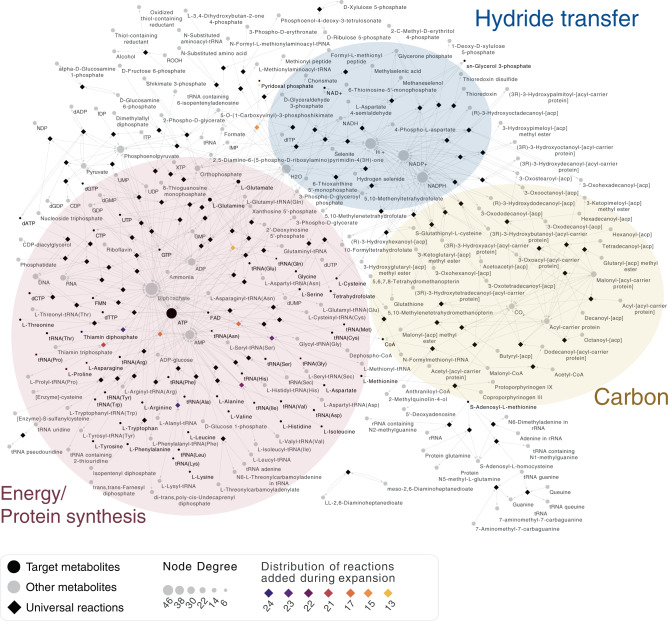
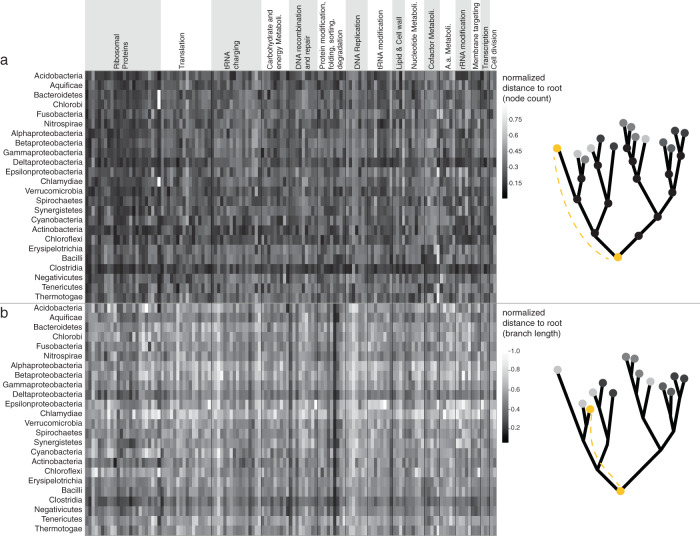
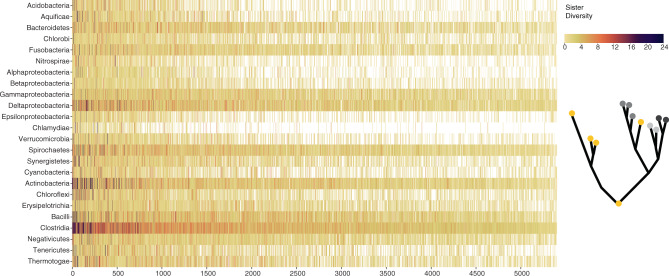
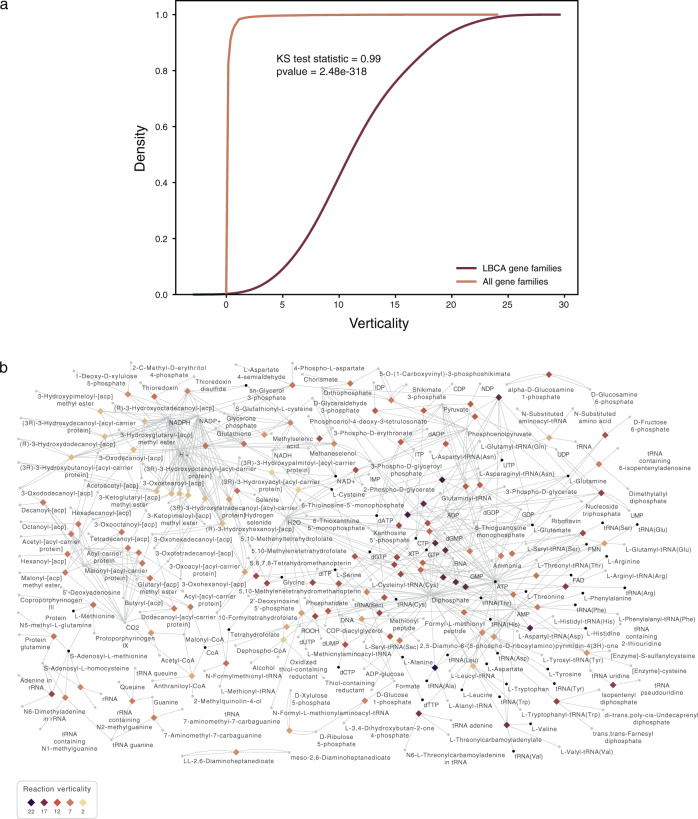
Bacteria are the most abundant cells on Earth. They are generally regarded as ancient, but due to striking diversity in their metabolic capacities and widespread lateral gene transfer, the physiology of the first bacteria is unknown. From 1089 reference genomes of bacterial anaerobes, we identified 146 protein families that trace to the last bacterial common ancestor, LBCA, and form the conserved predicted core of its metabolic network, which requires only nine genes to encompass all universal metabolites. Our results indicate that LBCA performed gluconeogenesis towards cell wall synthesis, and had numerous RNA modifications and multifunctional enzymes that permitted life with low gene content. In accordance with recent findings for LUCA and LACA, analyses of thousands of individual gene trees indicate that LBCA was rod-shaped and the first lineage to diverge from the ancestral bacterial stem was most similar to modern Clostridia, followed by other autotrophs that harbor the acetyl-CoA pathway.
Conflict of interest statement
The authors declare no competing interests.
Figures
References
-
- Madigan, M. T., Bender, K. S., Buckley, D. H., Sattley, W. M. & Stahl, D. A. Brock Biology of Microorganisms (Pearson, 2017).
Publication types
MeSH terms
Substances
LinkOut - more resources
Full Text Sources
Other Literature Sources
