


A single nucleotide substitution in the coding region of Ogura male sterile gene, orf138, determines effectiveness of a fertility restorer gene, Rfo, in radish
- PMID: 33772345
- PMCID: PMC8144145
- DOI: 10.1007/s00438-021-01777-y
A single nucleotide substitution in the coding region of Ogura male sterile gene, orf138, determines effectiveness of a fertility restorer gene, Rfo, in radish
Abstract
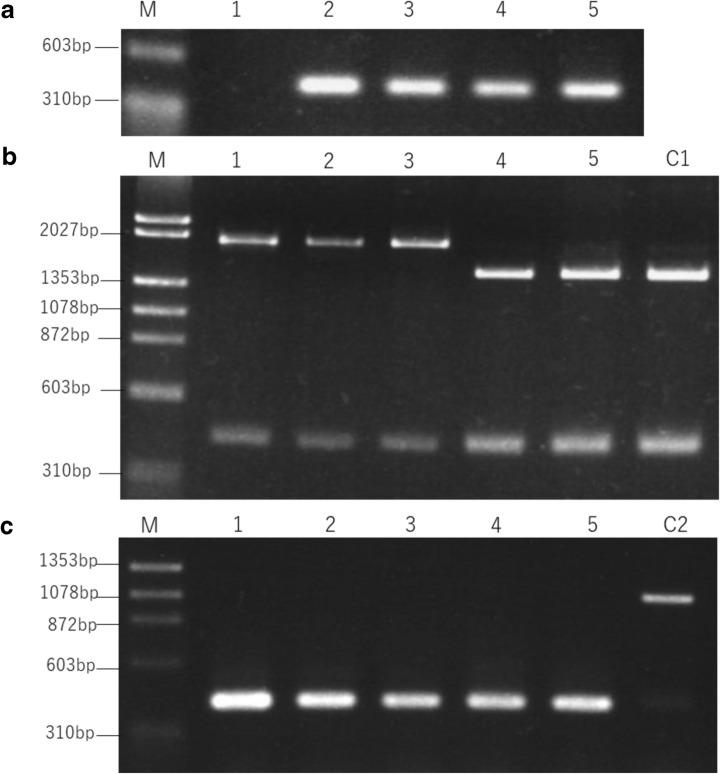
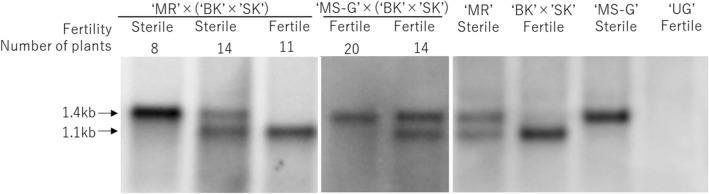
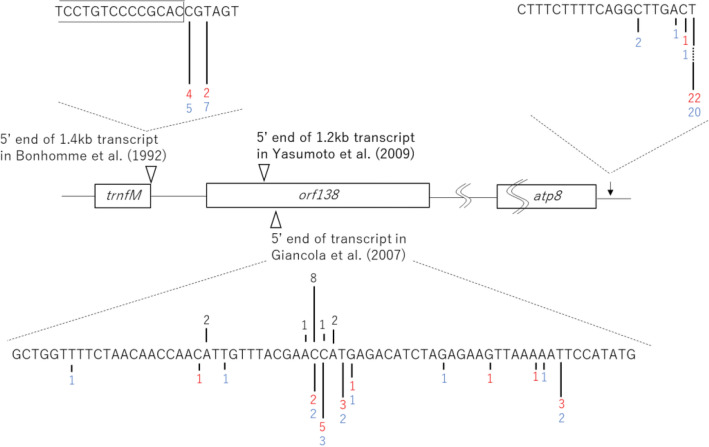
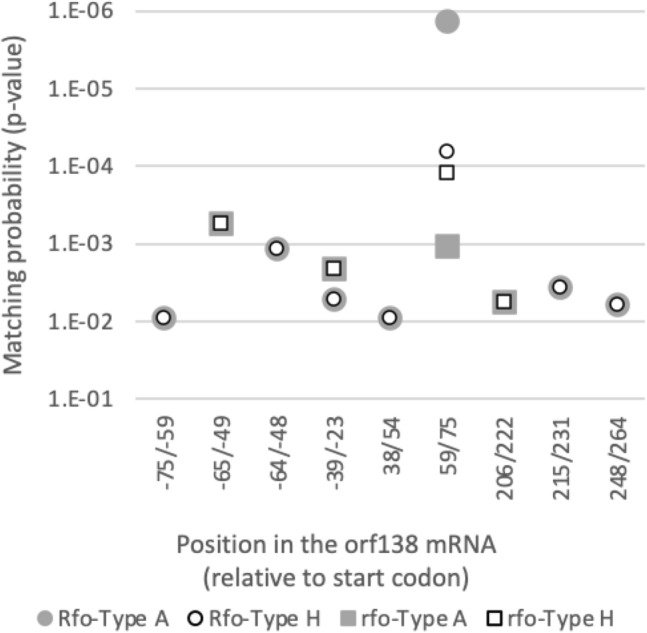
Cytoplasmic male sterility (CMS) observed in many plants leads defect in the production of functional pollen, while the expression of CMS is suppressed by a fertility restorer gene in the nuclear genome. Ogura CMS of radish is induced by a mitochondrial orf138, and a fertility restorer gene, Rfo, encodes a P-type PPR protein, ORF687, acting at the translational level. But, the exact function of ORF687 is still unclear. We found a Japanese variety showing male sterility even in the presence of Rfo. We examined the pollen fertility, Rfo expression, and orf138 mRNA in progenies of this variety. The progeny with Type H orf138 and Rfo showed male sterility when their orf138 mRNA was unprocessed within the coding region. By contrast, all progeny with Type A orf138 were fertile though orf138 mRNA remained unprocessed in the coding region, demonstrating that ORF687 functions on Type A but not on Type H. In silico analysis suggested a specific binding site of ORF687 in the coding region, not the 5' untranslated region estimated previously, of Type A. A single nucleotide substitution in the putative binding site diminishes affinity of ORF687 in Type H and is most likely the cause of the ineffectiveness of ORF687. Furthermore, fertility restoration by RNA processing at a novel site in some progeny plants indicated a new and the third fertility restorer gene, Rfs, for orf138. This study clarified that direct ORF687 binding to the coding region of orf138 is essential for fertility restoration by Rfo.
Keywords: Fertility restorer gene; ORF687; Ogura cytoplasmic male sterility; Orf138; PPR-code; Radish.
Conflict of interest statement
Authors declare no conflicts of interest.
Figures
References
-
- Arnal N, Quadrado M, Simon M, Mireau H. A restorer-of-fertility like pentatricopeptide repeat gene directs ribonucleolytic processing within the coding sequences of rps3-rpl16 and orf240a mitochondrial transcripts in Arabidopsis thaliana. Plant J. 2014;78:134–145. doi: 10.1111/tpj.12463. - DOI - PubMed
MeSH terms
Substances
Grants and funding
LinkOut - more resources
Full Text Sources
Other Literature Sources
