


Lessons learned from the delivery of virtual integrative oncology interventions in clinical practice and research during the COVID-19 pandemic
- PMID: 33772364
- PMCID: PMC7997525
- DOI: 10.1007/s00520-021-06174-0
Lessons learned from the delivery of virtual integrative oncology interventions in clinical practice and research during the COVID-19 pandemic
Abstract
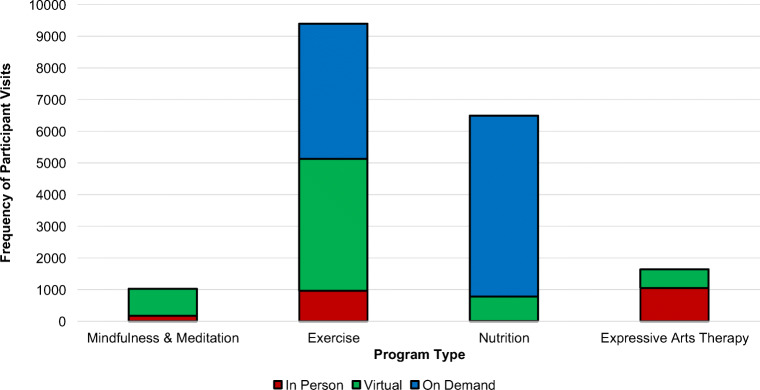
The outbreak of the coronavirus disease 2019 (COVID-19) and subsequent need for disease transmission mitigation efforts have significantly altered the delivery of cancer care (e.g., rise of telemedicine), including within the field of integrative oncology. However, little has been described about how National Cancer Institute-Designated Cancer Centers have transformed integrative oncology care delivery in response to the COVID-19 pandemic. The purpose of this commentary is to describe the delivery of integrative oncology clinical services and conduct of research at The Leonard P. Zakim Center for Integrative Therapies and Healthy Living at Dana-Farber Cancer Institute during the COVID-19 pandemic. Clinical services transitioned from an array of in-person appointment-based services, such as acupuncture and massage, and group programs, such as yoga and nutrition seminars to a combination of live-streamed and on-demand virtual group programs and one-on-one virtual appointments for services such as acupressure and self-care massage. Group program volume grew from 2189 in-person program patient visits in the 6 months prior to onset of the COVID pandemic to 16,366 virtual (e.g., live-streamed or on-demand) patient visits in the first 6 months of the pandemic. From a research perspective, two integrative oncology studies, focused on yoga and music therapy, respectively, were transitioned from in-person delivery to a virtual format. Participant accrual to these studies increased after the transition to virtual consent and intervention delivery. Overall, our clinical and research observations at Dana-Farber Cancer Institute suggest that the delivery of virtual integrative oncology treatments is feasible and appealing to patients. Trial Registration: NCT03824860 (Yoga); NCT03709225 (Music Therapy).
Keywords: Integrative medicine; Integrative oncology; Symptom management; Telemedicine.
Conflict of interest statement
Dr. Knoerl reports consulting honorariums from the Strategy Inc., Spark Healthcare, and System Analytic, outside the submitted work. The other authors have no conflicts of interest to declare that are relevant to the content of this article.
Figures
References
-
- Waterhouse DM, Harvey RD, Hurley P, Levit LA, Kim ES, Klepin HD, Mileham KF, Nowakowski G, Schenkel C, Davis C, Bruinooge SS, Schilsky RL. Early impact of COVID-19 on the conduct of oncology clinical trials and long-term opportunities for transformation: findings from an American Society of Clinical Oncology Survey. JCO Oncol Pract. 2020;16:417–421. doi: 10.1200/op.20.00275. - DOI - PubMed
Publication types
MeSH terms
Associated data
LinkOut - more resources
Full Text Sources
Other Literature Sources
Medical
Miscellaneous
