


Breast edema, from diagnosis to treatment: state of the art
- PMID: 33775252
- PMCID: PMC8006345
- DOI: 10.1186/s40945-021-00103-4
Breast edema, from diagnosis to treatment: state of the art
Abstract
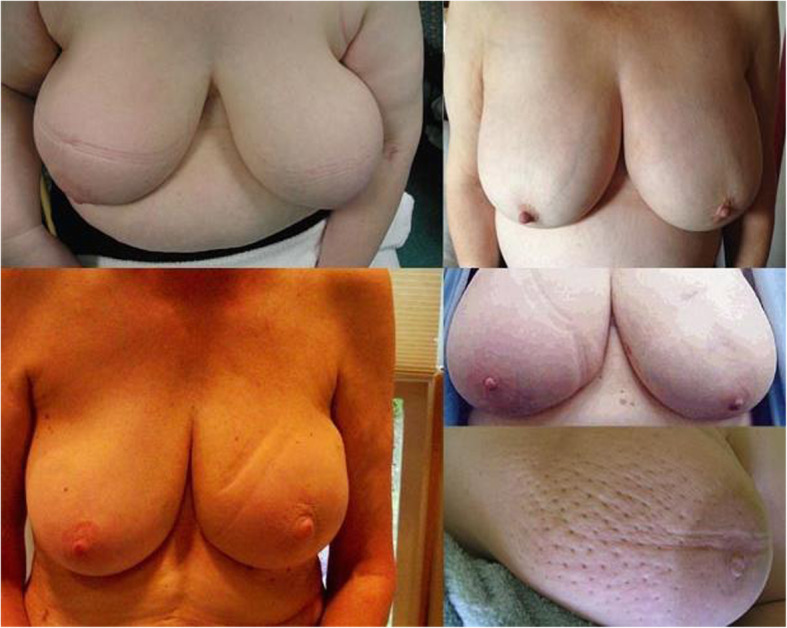
Introduction: Breast edema can arise from different etiologies; however, it is mostly seen after breast conserving surgery and/or radiotherapy. Combining breast conserving surgery and radiotherapy can cause damage to the lymphatic system and reactions to surrounding tissues, which can lead to breast edema; hereby, the breast size can increase by more than one cup size. Swelling of the breast is not the only criterion associated with breast edema. Other common criteria found in literature are peau d'orange, heaviness of the breast, skin thickening, breast pain, redness of the skin, hyperpigmented skin pores and a positive pitting sign. Despite the benefits of breast conserving surgery, breast edema can be uncomfortable, and can negatively influence quality of life in suffering patients. In contrast to lymphedema of the arm, which is well known in clinical practice and in research, breast edema is often underestimated and far less explored in literature. Currently, many aspects still need to be reviewed.
Purpose and importance to practice: This masterclass aims at providing the state of the art of breast edema for all health care workers and researchers involved in the treatment and monitoring of breast cancer patients. It includes current and future perspectives on its diagnosis, longitudinal course and treatment. Furthermore, recommendations for clinical practice and future research are discussed.
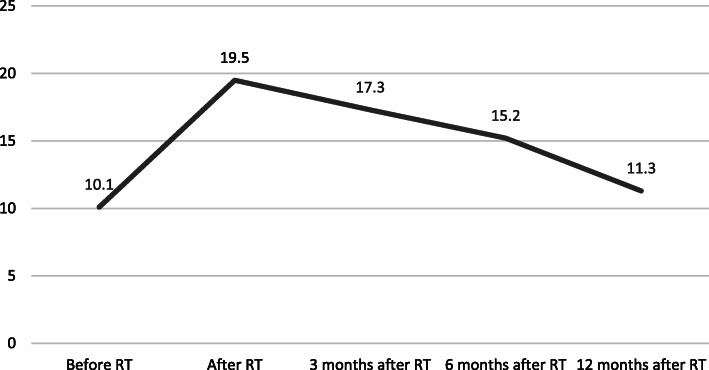
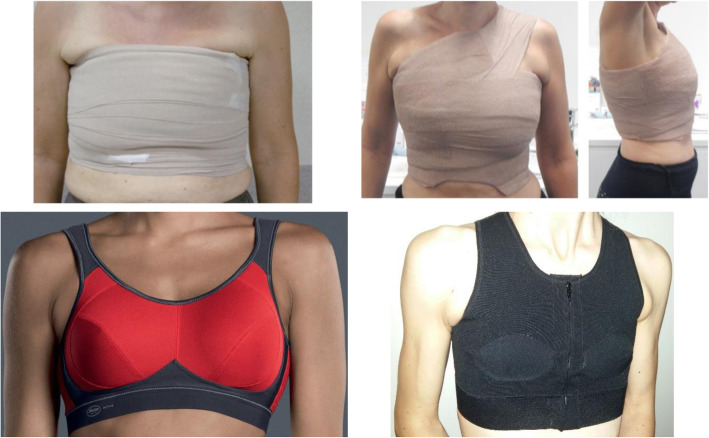
Clinical implications: It is recommended to closely monitor those patients in whom breast edema symptoms do not decline within 6 months after termination of radiotherapy and provide them with the appropriate therapy. Since evidence concerning the treatment of breast edema is currently lacking, we recommend the complex decongestive therapy (CDT) to the utmost extent, by analogy with the lymphedema treatment of the extremities. This treatment involves skin care, exercise therapy and compression. Additionally, all patients should be informed about the normal course of breast edema development.
Future research priorities: A consensus should be reached among clinicians and researchers concerning the definition, assessment methods and best treatment of breast edema. Furthermore, high quality studies are necessary to prove the effectiveness of the CDT for breast edema.
Keywords: Breast edema; Breast neoplasms; Diagnosis; Management.
Conflict of interest statement
The authors declare that they have no competing interests.
Figures
References
-
- Thomas DB, Moe RE, White E. Breast Conservation Therapy in the United States following the 1990 National Institutes of Health consensus development conference on the treatment of patients with early stage invasive. Published online 1999:628–637. - PubMed
-
- Adriaenssens N, Verbelen H, Lievens P, Lamote J. Lymphedema of the operated and irradiated breast in breast cancer patients following breast conserving surgery and radiotherapy. Lymphology. 2012;45(4):154–164. - PubMed
LinkOut - more resources
Full Text Sources
Other Literature Sources
Medical