


Risk-based centralized data monitoring of clinical trials at the time of COVID-19 pandemic
- PMID: 33775899
- PMCID: PMC7997143
- DOI: 10.1016/j.cct.2021.106368
Risk-based centralized data monitoring of clinical trials at the time of COVID-19 pandemic
Abstract
Objectives: COVID-19 pandemic caused several alarming challenges for clinical trials. On-site source data verification (SDV) in the multicenter clinical trial became difficult due to travel ban and social distancing. For multicenter clinical trials, centralized data monitoring is an efficient and cost-effective method of data monitoring. Centralized data monitoring reduces the risk of COVID-19 infections and provides additional capabilities compared to on-site monitoring. The key steps for on-site monitoring include identifying key risk factors and thresholds for the risk factors, developing a monitoring plan, following up the risk factors, and providing a management plan to mitigate the risk.
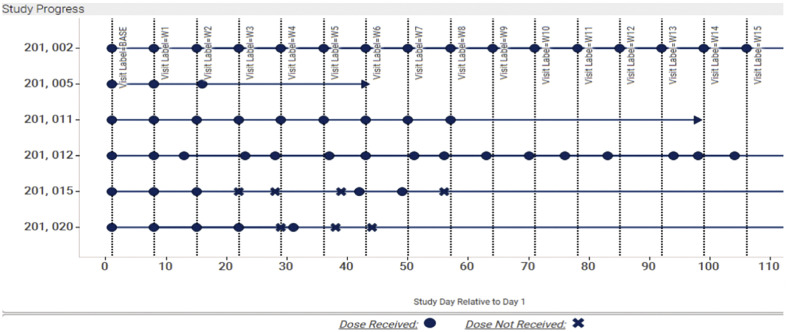
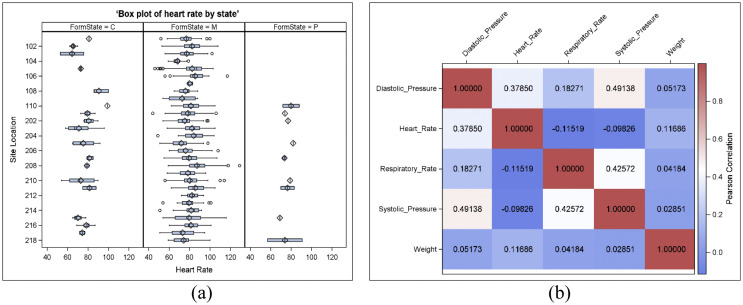
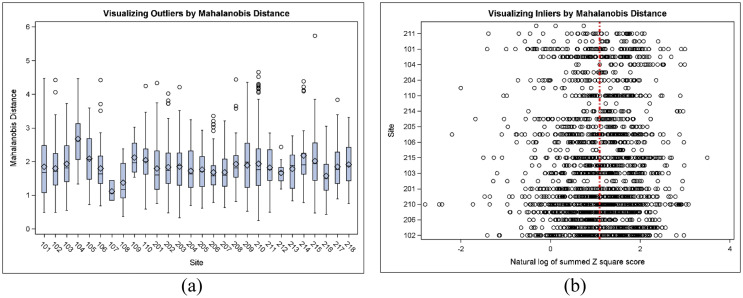
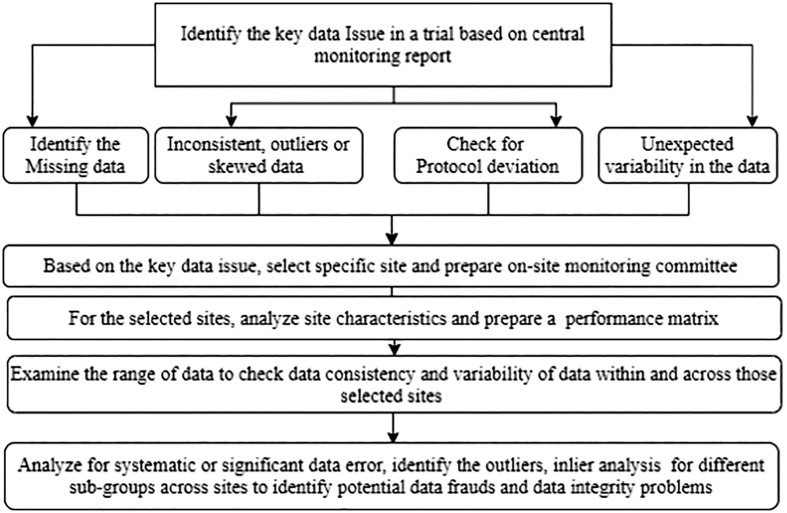
Methods: For analysis purposes, we simulated data similar to our clinical trial data. We classified the data monitoring process into two groups, such as the Supervised analysis process, to follow each patient remotely by creating a dashboard and an Unsupervised analysis process to identify data discrepancy, data error, or data fraud. We conducted several risk-based statistical analysis techniques to avoid on-site source data verification to reduce time and cost, followed up with each patient remotely to maintain social distancing, and created a centralized data monitoring dashboard to ensure patient safety and maintain the data quality.
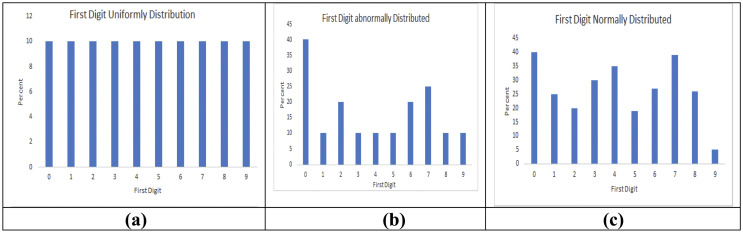
Conclusion: Data monitoring in clinical trials is a mandatory process. A risk-based centralized data review process is cost-effective and helpful to ignore on-site data monitoring at the time of the pandemic. We summarized how different statistical methods could be implemented and explained in SAS to identify various data error or fabrication issues in multicenter clinical trials.
Keywords: Centralize data monitoring; Risk based data monitoring.
Copyright © 2021 Elsevier Inc. All rights reserved.
Conflict of interest statement
The corresponding author states that, on behalf of all authors, there is no conflict of interest.
Figures
References
-
- Baigent C., Harrell F.E., Buyse M., Emberson J.R., Altman D.G. Ensuring trial validity by data quality assurance and diversification of monitoring methods. Clinical Trials. 2008;5:49–55. - PubMed
-
- Bakobaki J.M., Rauchenberger M., Joffe N., McCormack S., Stenning S., Meredith S. The potential for central monitoring techniques to replace on-site monitoring: findings from an international multicenter clinical trial. Clinical Trials. 2012;9(2):257–264. - PubMed
-
- Beauregard A., Tantsyura V., Labrie F. The basics of clinical trial centralized monitoring. Appl. Clin. Trials. 2018;27(11)
-
- Buyse M., George S.L., Evans S., Geller N.L., Ranstam J., Scherrer B.…Colton T. The role of biostatistics in the prevention, detection, and treatment of fraud in clinical trials. Stat. Med. 1999;18(24):3435–3451. - PubMed
-
- Collins J.C. Using excel and ’‘Benford’s law to detect fraud: learn the formulas, functions, and techniques that enable efficient benford analysis of data sets. J. Account. 2017;223(4):44.
MeSH terms
LinkOut - more resources
Full Text Sources
Other Literature Sources
Medical
